Organic farming represents a holistic approach to agriculture that prioritizes sustainability, environmental health, and the well-being of consumers. At its core, organic farming is defined by its commitment to using natural processes and materials, avoiding synthetic chemicals, and fostering biodiversity. This method of farming not only aims to produce food but also seeks to enhance the ecosystem in which it operates. As consumers become increasingly aware of the impact of their food choices on health and the environment, the demand for organic products has surged, making it essential to understand what organic farming truly entails.The principles of organic farming are rooted in a philosophy that emphasizes the interconnection between soil health, plant vitality, and animal welfare.
Organic farms utilize practices such as crop rotation, cover cropping, and composting to maintain soil fertility and structure. These methods not only improve the quality of the soil but also help in managing pests and diseases naturally. By fostering a diverse ecosystem on the farm, organic farmers can reduce reliance on external inputs while promoting resilience against climate change and other environmental challenges.Moreover, the benefits of organic farming extend beyond just environmental considerations. Consumers often choose organic products for their perceived health advantages, as these foods are typically free from harmful pesticides and genetically modified organisms (GMOs).
Additionally, organic farming practices can lead to improved nutritional content in food products. As we delve deeper into the world of organic agriculture, it becomes clear that understanding its practices and benefits is crucial for making informed choices about our food systems.
Key Principles of Organic Farming
Organic farming is built upon a foundation of key principles that not only guide agricultural practices but also promote a sustainable relationship with the environment. Understanding these principles is essential for anyone interested in the benefits and practices of organic agriculture.Sustainability
is at the heart of organic farming. This principle emphasizes the need to produce food in a way that meets current needs without compromising the ability of future generations to meet their own.
Organic farmers strive to create systems that are self-sustaining, reducing reliance on non-renewable resources and minimizing environmental impact. This includes using renewable energy sources, conserving water, and implementing practices that enhance soil fertility.
Biodiversity
plays a crucial role in organic farming. By promoting a diverse range of crops and livestock, organic farms can create resilient ecosystems that are better equipped to withstand pests, diseases, and climate fluctuations. Biodiversity not only enhances the health of the farm but also contributes to the overall health of the planet.
Organic farmers often use crop rotation, intercropping, and polyculture to maintain biodiversity on their farms.
Soil health
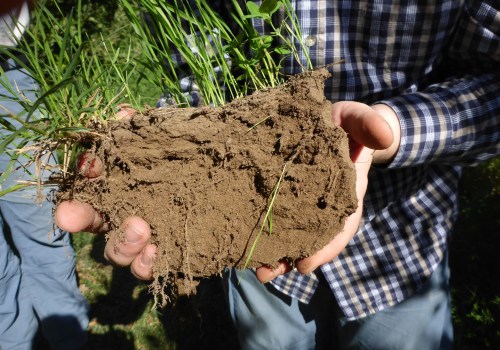
is another fundamental principle of organic farming. Healthy soil is vital for producing nutritious food and sustaining agricultural productivity. Organic farmers focus on building soil health through practices such as composting, cover cropping, and reduced tillage. These methods help to enhance soil structure, increase organic matter content, and promote beneficial microbial activity.
By prioritizing soil health, organic farmers can improve crop yields while reducing the need for synthetic fertilizers.Furthermore, organic certification ensures that farms adhere to these principles and maintain high standards of practice. Certification involves rigorous inspections and compliance with established organic standards set by regulatory bodies. This process not only provides consumers with confidence in the integrity of organic products but also encourages farmers to adopt sustainable practices that align with organic principles.In summary, the key principles of organic farming—sustainability, biodiversity, soil health, and certification—are interconnected elements that contribute to a holistic approach to agriculture. By embracing these principles, organic farmers can produce healthy food while fostering ecological balance and protecting natural resources for future generations.
Common Misconceptions About Organic Farming
Organic farming is often surrounded by a cloud of misconceptions that can mislead consumers and create confusion about what organic products truly represent.One of the most prevalent myths is the belief that organic farms are completely pesticide-free. While it is true that organic farming emphasizes the use of natural pest control methods and prohibits synthetic pesticides, it does not mean that all pesticides are off-limits. Organic farmers can use naturally derived pesticides, which are often less harmful to the environment and human health than their synthetic counterparts. This distinction is crucial for understanding how organic farms manage pests while still adhering to strict organic standards.Another common misconception is that organic farming cannot produce enough food to meet global demand.
Critics often argue that organic methods yield lower quantities compared to conventional farming. However, studies have shown that organic farms can be just as productive as conventional ones, especially when considering the long-term sustainability of soil health and ecosystem balance. In fact, some research indicates that organic farming can enhance biodiversity and improve soil quality, leading to more resilient agricultural systems capable of withstanding climate change.Additionally, many consumers believe that organic food is always healthier than conventional food. While organic products are generally free from synthetic additives and preservatives, this does not automatically mean they are nutritionally superior.
The nutritional content of food can vary widely based on factors such as soil quality, crop variety, and growing conditions. Therefore, while choosing organic can reduce exposure to harmful chemicals, it is essential to consider a balanced diet that includes a variety of foods.Furthermore, some people think that all organic farms are small-scale operations. While many organic farms are indeed smaller than conventional farms, there are large-scale organic operations that produce significant quantities of food. These larger farms adhere to the same rigorous standards as smaller ones and contribute to the overall supply of organic products available in the market.In conclusion, debunking these myths about organic farming is vital for consumers who wish to make informed choices about their food.
Understanding the realities of organic farming helps clarify what consumers can expect from organic products, allowing them to appreciate the benefits while also recognizing the challenges faced by organic farmers.
The Role of Certification in Organic Farming
Certification plays a pivotal role in the realm of organic farming, serving as a guarantee that products meet specific standards set by regulatory bodies. The most recognized certification in the United States is the USDA Organic Certification , which ensures that farms adhere to strict guidelines regarding the use of synthetic pesticides, fertilizers, and genetically modified organisms (GMOs).The organic certification process involves several key steps that farmers must follow to achieve and maintain their organic status. Initially, a farm must undergo a transition period of at least three years, during which time it must be managed according to organic practices. This period is crucial as it allows the soil to recover from any previous chemical treatments and become conducive to organic farming.Once the transition period is complete, farmers can apply for certification through a USDA-accredited certifying agent.The application process typically includes:
- Submission of an Organic System Plan (OSP): This detailed document outlines the farming practices, inputs used, and measures taken to prevent contamination with non-organic substances.
- Inspection: A thorough on-site inspection is conducted by a certified inspector who evaluates compliance with organic standards.
- Review and Approval: After the inspection, the certifying agent reviews all documentation and inspection reports before granting certification.
When shoppers see the USDA Organic seal on a product, they can be confident that it has been produced without harmful chemicals and in an environmentally responsible manner. This trust is essential for building long-term relationships in the marketplace and promoting the growth of organic agriculture.
Environmental Impact of Organic Farming
Organic farming practices offer a multitude of environmental benefits that contribute significantly to sustainability in agriculture. One of the most notable advantages is the reduction of chemical runoff. Conventional farming often relies heavily on synthetic fertilizers and pesticides, which can leach into nearby water bodies, causing pollution and harming aquatic ecosystems.In contrast, organic farms utilize natural fertilizers, such as compost and manure, which not only nourish the soil but also minimize the risk of runoff.Moreover, organic farming enhances soil health. The emphasis on crop rotation, cover cropping, and reduced tillage helps maintain soil structure and fertility. These practices promote biodiversity within the soil ecosystem, fostering beneficial microorganisms that contribute to nutrient cycling. Healthy soil is crucial for sustainable agriculture as it improves water retention and reduces erosion, making farms more resilient to extreme weather conditions.Another significant aspect of organic farming is its potential to combat climate change.
Organic farms typically have a lower carbon footprint compared to conventional farms. This is largely due to the absence of synthetic fertilizers, which are energy-intensive to produce and apply. Additionally, organic practices such as agroforestry and permaculture can sequester carbon in the soil, helping to mitigate greenhouse gas emissions.Furthermore, organic farming promotes biodiversity by creating habitats for various species. The diverse crop rotations and reduced use of harmful chemicals support a wider range of flora and fauna, contributing to healthier ecosystems.
This biodiversity is essential not only for maintaining ecological balance but also for enhancing resilience against pests and diseases.In summary, the environmental impact of organic farming extends beyond just producing food; it plays a vital role in fostering sustainable agricultural practices that protect our planet. By reducing chemical runoff, improving soil health, lowering carbon footprints, and promoting biodiversity, organic farms contribute significantly to a more sustainable future.
Challenges Faced by Organic Farmers
Organic farming, while celebrated for its environmental benefits and health-conscious approach, presents a unique set of challenges that farmers must navigate. Understanding these challenges is crucial for anyone interested in the complexities of organic agriculture.Pest Management in Organic Agriculture
One of the most significant hurdles organic farmers face is pest management. Unlike conventional farming, which often relies on synthetic pesticides, organic farming must utilize natural methods to control pests.This can include:
- Crop rotation: Changing the types of crops grown in a particular area to disrupt pest life cycles.
- Beneficial insects: Introducing natural predators, such as ladybugs or lacewings, to keep pest populations in check.
- Organic pesticides: Using naturally derived substances that are less harmful to the environment but may not be as effective as their synthetic counterparts.
Economic Viability of Organic Farms
The economic viability of organic farms is another pressing challenge. While organic products often command higher prices in the market, the costs associated with transitioning to and maintaining organic practices can be substantial. Some factors influencing economic viability include:- Certification costs: Obtaining and maintaining organic certification can be expensive and time-consuming.
- Lower yields: Organic farms may produce lower yields compared to conventional farms due to restrictions on synthetic fertilizers and pesticides.
- Market access: Organic farmers may struggle to find reliable markets for their products, especially in regions where consumer demand is low.
Addressing these challenges is essential for the future of organic agriculture and its role in sustainable food production.
Consumer Demand for Organic Products
In recent years, the organic food market has experienced a significant surge in consumer demand, driven by a growing awareness of health, environmental sustainability, and ethical farming practices. This shift in consumer preferences is reshaping the agricultural landscape and influencing how farmers approach their operations.One of the primary factors contributing to this trend is the increasing concern over health and nutrition. Many consumers are becoming more conscious of the ingredients in their food and are actively seeking out products that are free from synthetic pesticides, fertilizers, and genetically modified organisms (GMOs). According to recent studies, a substantial percentage of shoppers believe that organic foods are healthier than their conventional counterparts.This perception is bolstered by research linking organic farming practices to higher nutrient levels in produce.Moreover, the environmental impact of conventional farming methods has prompted consumers to consider the ecological footprint of their food choices. Organic farming is often viewed as a more sustainable option, as it emphasizes biodiversity, soil health, and reduced chemical usage. As climate change becomes an increasingly pressing issue, many individuals are opting for organic products as a way to support environmentally friendly practices.Another driving force behind the demand for organic products is the desire for transparency in food sourcing. Consumers today are more informed and want to know where their food comes from and how it is produced.
This has led to a rise in interest in local organic farms and community-supported agriculture (CSA) programs, where consumers can buy directly from farmers. Such initiatives not only foster a connection between consumers and producers but also promote local economies.The benefits of buying organic extend beyond personal health and environmental concerns. Many consumers appreciate the taste and quality of organic products, often reporting that they find them fresher and more flavorful than non-organic options. This preference for quality over quantity is reshaping market trends, with many retailers expanding their organic offerings to meet consumer demand.In conclusion, the rising consumer demand for organic products is a multifaceted phenomenon influenced by health consciousness, environmental sustainability, transparency in sourcing, and a preference for quality.
As these trends continue to evolve, they will undoubtedly shape the future of agriculture and encourage more farmers to adopt organic farming practices.
Future of Organic Farming: Trends and Innovations
The future of organic farming is poised for significant transformation, driven by a combination of technological advancements and a growing consumer demand for sustainable practices. As the agricultural landscape evolves, several key trends and innovations are emerging that promise to enhance productivity while adhering to the principles of organic farming.Technological Innovations
One of the most exciting developments in organic farming is the integration of technology. Precision agriculture, which utilizes data analytics and IoT (Internet of Things) devices, allows farmers to monitor crop health, soil conditions, and weather patterns in real-time. This data-driven approach enables farmers to make informed decisions about irrigation, fertilization, and pest management, ultimately leading to more efficient use of resources.Regenerative Agriculture
Another trend gaining traction is regenerative agriculture, which focuses on restoring soil health and biodiversity.Techniques such as cover cropping, crop rotation, and agroforestry not only improve soil fertility but also enhance carbon sequestration. By adopting these practices, organic farmers can contribute to climate change mitigation while improving their yields.
Vertical Farming and Hydroponics
Urbanization has led to a rise in vertical farming and hydroponics as innovative solutions for food production. These methods allow for year-round cultivation of organic crops in controlled environments, reducing the need for pesticides and fertilizers. As technology advances, these systems are becoming more accessible and cost-effective, making it easier for urban dwellers to engage in organic farming.Consumer Trends
The demand for organic products continues to grow as consumers become more health-conscious and environmentally aware.This shift is prompting farmers to adopt more sustainable practices that align with consumer values. Transparency in sourcing and production methods is becoming increasingly important, leading to a rise in direct-to-consumer sales models such as farmers' markets and subscription services.
Collaboration and Education
Finally, collaboration among farmers, researchers, and policymakers is essential for the advancement of organic farming. Educational programs that focus on sustainable practices can empower farmers with the knowledge they need to innovate effectively. By sharing best practices and resources, the organic farming community can collectively address challenges and seize opportunities for growth.In conclusion, the future of organic farming is bright, characterized by innovative technologies and sustainable practices that not only meet consumer demands but also contribute positively to the environment.As these trends continue to evolve, they will play a crucial role in shaping a more sustainable agricultural system.
FAQs About Organic Farming
Organic farming has gained significant attention in recent years, leading to a plethora of questions from consumers eager to understand this agricultural practice better. Below are some of the most frequently asked questions about organic farming, along with clear and informative answers.What does it mean for a farm to be organic?
An organic farm is one that adheres to specific standards set by regulatory bodies, such as the USDA in the United States. These standards prohibit the use of synthetic pesticides, herbicides, and fertilizers. Instead, organic farmers utilize natural methods for pest control and soil fertility, such as crop rotation, composting, and biological pest management.How can I identify organic products?
When shopping for organic products, look for labels that indicate certification.In the U. S., products labeled as "100% Organic" must contain only organic ingredients. Those labeled "Organic" must have at least 95% organic ingredients. Additionally, products with "Made with Organic Ingredients" contain at least 70% organic components but cannot use the USDA organic seal.
Are organic products healthier than conventional ones?
The health benefits of organic products can vary.While they are often free from synthetic chemicals and pesticides, studies have shown mixed results regarding their nutritional value compared to conventional foods. However, many consumers choose organic for reasons beyond nutrition, including environmental sustainability and ethical considerations regarding animal welfare.
Is organic farming better for the environment?
Many studies suggest that organic farming practices can lead to improved soil health, reduced pollution from synthetic chemicals, and enhanced biodiversity. By avoiding harmful pesticides and fertilizers, organic farms contribute to a healthier ecosystem. However, it is essential to consider that organic farming may require more land to produce the same yield as conventional methods.What are some common misconceptions about organic farming?
- Organic means pesticide-free: While organic farms do not use synthetic pesticides, they may still use natural pesticides approved for organic farming.
- Organic food is always more nutritious: The nutritional content can vary widely between individual products regardless of their farming method.
- All organic farms are small: Organic farming is practiced on various scales, including large commercial operations.
By being aware of what to look for in labels and the practices behind organic agriculture, you can support sustainable farming methods while enjoying healthy food options.
Conclusion: The Importance of Informed Choices in Organic Farming
As we draw our exploration of organic farming to a close, it is essential to reflect on the myriad factors that influence our choices as consumers. The journey through the complexities of organic agriculture has revealed both its potential benefits and inherent challenges. Understanding these elements is crucial for making informed decisions that align with our values and health goals.One of the most significant takeaways from our discussion is the strict adherence to regulations that govern organic farming practices. These regulations ensure that products labeled as organic meet specific standards, which can provide consumers with peace of mind regarding their food choices.However, it is equally important to recognize that not all organic products are created equal. Variations in farming practices, certification processes, and regional standards can lead to differences in quality and sustainability.Moreover, while organic farming promotes environmental stewardship and reduced chemical usage, it is not without its challenges. Issues such as land use, crop yields, and pest management require careful consideration. As consumers, we must weigh the benefits of supporting organic farms against the realities of agricultural production.
This includes understanding the ecological impact of our food choices and how they contribute to broader sustainability goals.Informed decision-making also involves being aware of the economic implications of organic farming. While organic products often come with a higher price tag, this cost reflects the labor-intensive practices and commitment to sustainable agriculture that many organic farmers uphold. Supporting these farmers can foster a more resilient food system, but it also requires us to consider our budgets and priorities.Ultimately, the choice to purchase organic products should be guided by a combination of personal values, health considerations, and an understanding of the agricultural landscape. By staying informed about the realities of organic farming, we empower ourselves to make choices that not only benefit our health but also support sustainable practices that can positively impact our environment.As you navigate your grocery aisles or local farmers' markets, remember that every purchase is a vote for the kind of agriculture you want to support.
Embrace the opportunity to ask questions about where your food comes from and how it was produced. In doing so, you contribute to a more transparent and responsible food system that prioritizes both human health and environmental integrity.