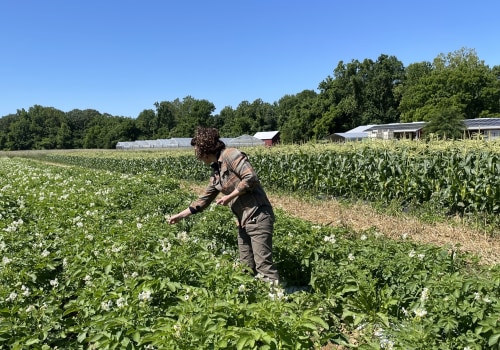
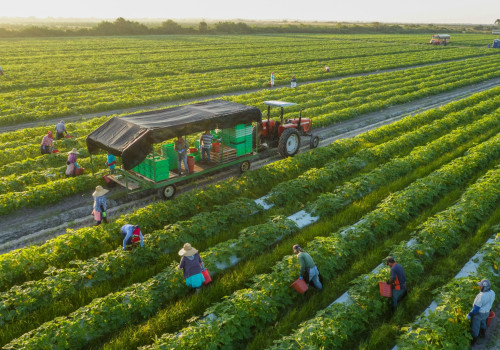
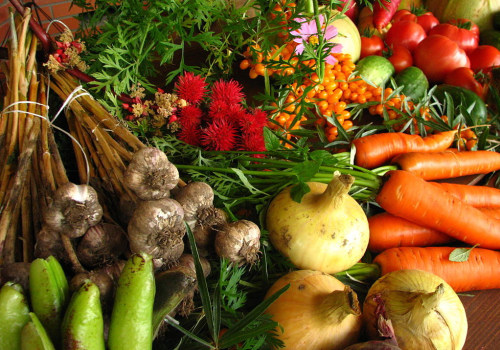
Organic farming represents a holistic approach to agriculture that prioritizes the health of the ecosystem, the soil, and the communities involved in food production. At its core, organic farming is not merely a method of growing crops; it embodies a philosophy that seeks to harmonize agricultural practices with natural processes. This approach emphasizes the use of natural inputs and sustainable practices, steering clear of synthetic chemicals and genetically modified organisms (GMOs). By adhering to these principles, organic farmers aim to produce food that is not only nutritious but also environmentally friendly.The principles of organic farming are grounded in several key tenets.
First and foremost is the commitment to biodiversity, which encourages a variety of plants and animals on the farm. This diversity helps to create a balanced ecosystem that can naturally regulate pests and diseases, reducing the need for chemical interventions. Additionally, organic farming promotes soil health through practices such as crop rotation, cover cropping, and composting. These methods enhance soil fertility and structure, leading to more resilient crops and reduced erosion.Moreover, organic farming places a strong emphasis on sustainability.
It seeks to minimize environmental impact by conserving water, reducing pollution, and promoting animal welfare. By fostering a connection between consumers and their food sources, organic farming also supports local economies and encourages community engagement. As consumers become increasingly aware of the environmental and health implications of their food choices, the importance of organic farming continues to grow.In summary, organic farming is not just about avoiding harmful substances; it is about embracing a comprehensive approach that respects nature's balance. The principles of organic farming are essential for creating a sustainable agricultural system that benefits both people and the planet.
As we delve deeper into the significance of prohibited substances in this context, it becomes clear that adhering to these principles is crucial for maintaining the integrity of organic practices.
What Are Prohibited Substances in Organic Farming?
In the realm of organic farming, the term "prohibited substances" refers to a specific category of chemicals and materials that are strictly banned from use in the cultivation and production of organic crops. These substances are identified based on their potential to harm human health, degrade environmental quality, or undermine the principles of organic agriculture. The regulations governing these prohibitions are established by the National Organic Program (NOP) under the USDA, which aims to maintain the integrity of organic products.Prohibited substances can be broadly categorized into several groups:- Synthetic Chemicals: Many synthetic pesticides, herbicides, and fertilizers are banned due to their toxic effects on ecosystems and human health. For instance, substances like glyphosate, commonly used in conventional farming, are not permitted in organic practices.
- Genetically Modified Organisms (GMOs): The use of GMOs is strictly prohibited in organic farming.
This ban is rooted in concerns over biodiversity and the long-term impacts of genetic manipulation on food systems.
- Heavy Metals: Certain heavy metals, such as lead and mercury, are also banned due to their accumulation in soil and potential to enter the food chain, posing serious health risks.
- Non-Organic Animal Byproducts: The use of non-organic fertilizers derived from animal waste is prohibited to ensure that organic farms maintain their commitment to natural inputs.
By prohibiting harmful chemicals, organic farming aims to promote sustainable practices that protect soil health and water quality.In summary, the prohibition of certain substances in organic farming is a critical component of maintaining the integrity of organic products. These regulations not only safeguard human health but also contribute to a healthier planet by promoting sustainable agricultural practices.
The Importance of Prohibiting Harmful Chemicals
In the realm of organic farming, the prohibition of harmful chemicals is not merely a regulatory formality; it is a fundamental principle that underpins the entire philosophy of organic agriculture. The use of synthetic pesticides, herbicides, and fertilizers can have profound negative impacts on both human health and the environment, making their exclusion from organic practices essential.Health Impacts
- Many harmful chemicals have been linked to serious health issues, including respiratory problems, neurological disorders, and even cancer. For instance, studies have shown that exposure to certain pesticides can disrupt endocrine functions, leading to reproductive issues and developmental problems in children.
- Organic farming prioritizes the health of consumers by eliminating these toxic substances from the food supply.
By choosing organic products, consumers can reduce their exposure to harmful chemicals that may linger on conventionally grown produce.
Environmental Effects
- The environmental consequences of using harmful chemicals are equally alarming. These substances can contaminate soil and water sources, leading to biodiversity loss and ecosystem degradation. For example, runoff from farms that use synthetic fertilizers can lead to algal blooms in nearby water bodies, which deplete oxygen levels and harm aquatic life.
- Moreover, the long-term use of these chemicals can result in soil degradation, reducing its fertility and ability to support healthy crops. Organic farming practices, which emphasize natural inputs and sustainable methods, help maintain soil health and promote a balanced ecosystem.
Upholding Organic Standards
The prohibition of harmful chemicals is also crucial for maintaining the integrity of organic standards.
The National Organic Program (NOP) sets forth strict guidelines that define what constitutes organic farming. By adhering to these regulations, farmers not only protect consumer health but also contribute to a more sustainable agricultural system.In conclusion, the importance of prohibiting harmful chemicals in organic farming cannot be overstated. It is a vital step towards ensuring healthier food options for consumers while safeguarding our planet's ecosystems. As awareness grows about the adverse effects of these substances, the demand for organic products continues to rise, reinforcing the need for stringent adherence to organic standards.
Key Regulations Governing Organic Farming Practices
Organic farming is governed by a comprehensive set of regulations designed to ensure that agricultural practices align with the principles of sustainability, environmental stewardship, and consumer health.At the forefront of these regulations is the Organic Foods Production Act (OFPA) , which was enacted in 1990. This act laid the groundwork for the establishment of national standards for organic products, aiming to create a consistent framework that farmers and consumers can trust.One of the most significant outcomes of the OFPA is the creation of the National Organic Program (NOP) , administered by the United States Department of Agriculture (USDA). The NOP is responsible for developing and enforcing the regulations that govern organic farming practices. These regulations are crucial for maintaining the integrity of organic labeling and ensuring that products marketed as organic meet strict criteria.The USDA organic standards encompass a wide range of practices, including:
- Soil Health: Organic farmers must focus on building healthy soil through practices such as crop rotation, cover cropping, and composting.
Synthetic fertilizers are prohibited, promoting natural soil fertility.
- Pest Management: The use of synthetic pesticides is banned. Instead, organic farmers employ integrated pest management techniques, utilizing natural predators and organic-approved substances to control pests.
- Animal Welfare: Livestock raised on organic farms must have access to outdoor spaces and be fed organic feed. The use of antibiotics and growth hormones is strictly prohibited.
- Prohibited Substances: The NOP maintains a list of substances that are not allowed in organic farming. This includes synthetic chemicals and genetically modified organisms (GMOs), ensuring that organic products remain free from harmful additives.
Farmers must undergo annual inspections by accredited certifying agents to ensure adherence to the USDA standards. This certification not only provides assurance to consumers but also helps maintain a level playing field among producers.In summary, the regulations governing organic farming practices are essential for preserving the integrity of organic agriculture. By adhering to the guidelines set forth by the OFPA and enforced by the NOP, farmers contribute to a sustainable food system that prioritizes health, environmental protection, and ethical treatment of animals.
Examples of Prohibited Substances and Their Alternatives
In the realm of organic farming, the prohibition of certain substances is crucial for maintaining the integrity of organic practices. These substances, often synthetic or harmful to both human health and the environment, are replaced with safer alternatives that align with organic principles.Below are some notable examples of prohibited substances along with their viable alternatives.
1.Synthetic Pesticides
Many synthetic pesticides are banned in organic farming due to their potential toxicity. For instance, chlorpyrifos , a widely used pesticide, has been linked to neurological damage in humans and adverse effects on wildlife.- Alternative: Neem oil is a natural pesticide derived from the seeds of the neem tree. It disrupts the life cycle of pests without harming beneficial insects.
- Alternative: Diatomaceous earth, a powder made from fossilized algae, can be used to control soft-bodied insects by dehydrating them.
2.Herbicides
Chemicals like glyphosate , commonly used in conventional agriculture, are prohibited in organic farming due to their potential carcinogenic effects and environmental impact.- Alternative: Mulching is an effective method for weed control. Organic materials such as straw or wood chips can suppress weed growth while enriching the soil.
- Alternative: Corn gluten meal, a natural pre-emergent herbicide, can prevent weed seeds from germinating when applied at the right time.
3.Fertilizers
Synthetic fertilizers like urea are not allowed in organic farming due to their potential to leach into water supplies and disrupt ecosystems.- Alternative: Compost, made from decomposed organic matter, provides essential nutrients while improving soil structure and health.
- Alternative: Fish emulsion, a liquid fertilizer made from fish waste, is rich in nitrogen and promotes healthy plant growth without harmful side effects.
By adhering to these guidelines, organic farmers can produce safe, high-quality food while protecting both human health and the environment.
The Role of Certification in Organic Farming
Certification plays a pivotal role in the realm of organic farming, serving as a guarantee that farms adhere to strict guidelines designed to promote sustainability and environmental health. The certification process is not merely a formality; it is a comprehensive system that ensures compliance with regulations regarding prohibited substances, thereby safeguarding both consumer health and ecological integrity.To achieve organic certification, farmers must undergo a rigorous process that typically includes the following steps:- Application Submission: Farmers begin by submitting an application to a certifying agent accredited by the USDA. This application outlines their farming practices and intentions to comply with organic standards.
- Farm Inspection: Once the application is reviewed, an on-site inspection is conducted. This inspection assesses the farm's practices, inputs, and overall compliance with organic regulations.
Inspectors look for evidence of prohibited substances and evaluate soil health, pest management strategies, and crop rotation practices.
- Documentation Review: Farmers must maintain detailed records of their farming practices, including seed sources, inputs used, and harvest data. These records are crucial for demonstrating compliance during inspections.
- Certification Decision: After the inspection and documentation review, the certifying agent makes a decision regarding certification. If approved, the farm receives an organic certificate, allowing them to market their products as organic.
Furthermore, it encourages farmers to adopt sustainable practices that enhance soil health and biodiversity.In addition to consumer confidence, certified organic farms often enjoy access to premium markets and higher prices for their products. This economic incentive drives more farmers to pursue organic methods, ultimately contributing to a more sustainable agricultural landscape.In conclusion, the certification process in organic farming is essential for ensuring compliance with regulations concerning prohibited substances. It serves as a vital link between producers and consumers, promoting transparency and accountability in the organic food supply chain.
Challenges Faced by Organic Farmers Regarding Prohibited Substances
Organic farmers face a myriad of challenges when it comes to adhering to regulations regarding prohibited substances. These challenges not only stem from the stringent guidelines set forth by regulatory bodies but also from external market pressures that can complicate compliance efforts.One of the primary challenges is the complexity of understanding and implementing the regulations.The National Organic Program (NOP) outlines specific substances that are banned in organic farming, and staying updated on these regulations can be daunting. Farmers must invest time and resources into education and training to ensure they are compliant, which can be particularly challenging for smaller operations with limited staff.Additionally, organic farmers often encounter compliance issues related to contamination. Even if a farmer is diligent about avoiding prohibited substances, there is always the risk of unintentional exposure through neighboring farms that may use synthetic chemicals. This cross-contamination can jeopardize a farm's organic certification, leading to significant financial losses.Market pressures further exacerbate these challenges.
As consumer demand for organic products continues to rise, farmers may feel compelled to increase their production levels. This pressure can lead some to consider shortcuts or less scrupulous practices, which could involve the use of prohibited substances. The temptation to maximize yield while maintaining organic status creates a precarious balance that many farmers struggle to navigate.Moreover, the competitive landscape in the organic market means that farmers must not only comply with regulations but also differentiate their products. This often requires additional investments in marketing and certification processes, which can strain resources.
Farmers may find themselves caught between the need to adhere strictly to organic standards and the desire to remain profitable in a competitive market.In conclusion, while the commitment to organic farming is rooted in principles of sustainability and health, the challenges posed by compliance with prohibited substance regulations and market pressures cannot be overlooked. Addressing these issues requires ongoing support from regulatory bodies, educational resources for farmers, and a collective effort within the industry to uphold the integrity of organic farming.
Future Trends in Organic Farming and Regulation of Substances
The landscape of organic farming is continuously evolving, driven by advancements in technology, changing consumer preferences, and increasing awareness of environmental sustainability. As we look to the future, several key trends are emerging that will shape the practices and regulations surrounding organic agriculture.One significant trend is the integration of technology into organic farming practices. Precision agriculture, which utilizes data analytics, GPS technology, and IoT devices, allows farmers to monitor crop health and soil conditions more accurately.This data-driven approach not only enhances productivity but also minimizes the need for prohibited substances by enabling farmers to apply organic inputs more effectively. For instance, drones can be used to assess crop health and identify pest infestations early, allowing for timely interventions that align with organic standards.Another trend is the growing demand for transparency in food production. Consumers are increasingly interested in knowing where their food comes from and how it is produced. This shift is prompting organic farms to adopt more rigorous traceability systems.
As a result, regulations may evolve to require more detailed documentation of inputs used on organic farms, including any substances that are prohibited under current guidelines.Furthermore, climate change poses new challenges for organic farming. As weather patterns become more unpredictable, farmers may need to adapt their practices to maintain soil health and crop yields without resorting to synthetic chemicals. This adaptation could lead to the development of new organic farming techniques that prioritize resilience and sustainability. Regulatory bodies may respond by updating the list of prohibited substances to include those that are not compatible with these innovative practices.In addition, there is a growing emphasis on biodiversity within organic farming systems.
Future regulations may encourage or mandate practices that enhance biodiversity on farms, such as crop rotation and intercropping. These methods not only improve soil health but also reduce reliance on any harmful substances that could disrupt local ecosystems.As we move forward, it is clear that the future of organic farming will be shaped by a combination of technological innovation, consumer demand for transparency, climate resilience strategies, and a commitment to biodiversity. The evolution of regulations regarding prohibited substances will play a crucial role in supporting these trends while ensuring that organic farming remains true to its foundational principles.
Frequently Asked Questions About Prohibited Substances in Organic Farming
Understanding the regulations surrounding prohibited substances in organic farming can be complex, leading to numerous questions from farmers, consumers, and stakeholders. Here are some frequently asked questions that help clarify these important aspects.What are prohibited substances in organic farming?
Prohibited substances are chemicals and materials that are not allowed in the production of organic crops and livestock.These include synthetic fertilizers, pesticides, herbicides, and genetically modified organisms (GMOs). The aim of prohibiting these substances is to maintain the integrity of organic farming practices and ensure that products are safe for consumers and the environment.
Why are certain substances prohibited?
The prohibition of specific substances is rooted in the principles of organic farming, which emphasize sustainability, biodiversity, and ecological balance. Many of these substances can have detrimental effects on soil health, water quality, and overall ecosystem integrity. By avoiding these harmful inputs, organic farmers can promote healthier agricultural practices.How are prohibited substances regulated?
The National Organic Program (NOP) , established by the USDA, sets forth strict guidelines regarding what can and cannot be used in organic farming.These regulations are designed to ensure that all organic products meet consistent standards. Farmers must adhere to these guidelines to maintain their organic certification.
Are there any exceptions to the prohibition?
In some cases, certain substances may be allowed under specific conditions. For example, some non-synthetic materials may be permitted if they are deemed essential for pest control or soil fertility. However, any exceptions must be thoroughly justified and approved by certifying agents.How can consumers verify if a product is truly organic?
Consumers can look for the USDA Organic seal on products, which indicates that they have been certified according to NOP standards.Additionally, consumers can research brands and farms to understand their practices better and ensure they align with organic principles.
What should I do if I suspect a violation of organic standards?
If you believe that an organic farm is using prohibited substances or not adhering to regulations, you can report your concerns to the USDA or your local certifying agent. They will investigate any claims to ensure compliance with organic standards.By addressing these common questions about prohibited substances in organic farming, we can foster a better understanding of the importance of maintaining strict regulations for the benefit of both consumers and the environment.Conclusion: The Significance of Adhering to Organic Standards
In conclusion, the significance of adhering to organic standards cannot be overstated. As we have explored throughout this article, the prohibition of certain substances in organic farming is not merely a regulatory formality; it is a fundamental aspect that ensures the integrity of organic products. By maintaining strict adherence to these standards, organic farmers contribute to a healthier ecosystem and promote sustainable agricultural practices.One of the primary reasons for these prohibitions is the protection of human health.The use of harmful substances can lead to detrimental effects on consumers, including potential long-term health issues. Organic farming prioritizes the well-being of individuals by eliminating these risks and providing food that is free from synthetic chemicals and pesticides.Moreover, the environmental benefits of adhering to organic standards are profound. Organic farming practices enhance soil health, promote biodiversity, and reduce pollution. By avoiding prohibited substances, farmers help maintain the delicate balance of ecosystems, ensuring that future generations can enjoy a thriving environment.
This commitment to sustainability is essential in combating climate change and preserving natural resources.Furthermore, consumer trust plays a crucial role in the success of organic farming. When consumers choose organic products, they are often motivated by a desire for healthier options and a commitment to environmental stewardship. By adhering to established organic standards, farmers can assure consumers that their products are genuinely organic and produced with care for both health and the planet.In summary, the importance of prohibited substances in organic farming extends beyond compliance with regulations; it embodies a holistic approach to agriculture that values health, sustainability, and ethical practices. As we move forward in an era where conscious consumerism is on the rise, it is imperative for all stakeholders in the organic farming community to uphold these standards diligently.
Only then can we ensure that organic farming continues to thrive as a viable alternative to conventional agriculture, benefiting both people and the planet.