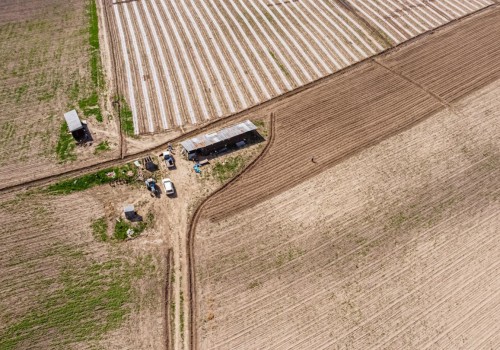
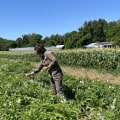
Organic farming represents a holistic approach to agriculture that emphasizes sustainability, biodiversity, and ecological balance. At its core, organic farming is defined by its commitment to using natural processes and materials, steering clear of synthetic chemicals and genetically modified organisms (GMOs). This method not only prioritizes the health of the soil and ecosystem but also aims to produce food that is free from harmful residues, thereby promoting better health for consumers. A key aspect of this practice includes the use of organic pest control products, which help maintain ecological balance while ensuring crop health. is defined by its commitment to using natural processes and materials, steering clear of synthetic chemicals and genetically modified organisms (GMOs). This method not only prioritizes the health of the soil and ecosystem but also aims to produce food that is free from harmful residues, thereby promoting better health for consumers. A key aspect of this practice includes the use of organic pest control products, which help maintain ecological balance while ensuring crop health.
As the demand for organic products continues to rise, understanding the principles and practices of organic farming becomes increasingly important.The benefits of organic farming extend beyond just the avoidance of chemicals. By fostering a diverse range of crops and utilizing techniques such as crop rotation, cover cropping, and composting, organic farms enhance soil fertility and structure. These practices contribute to a more resilient agricultural system that can withstand pests and diseases without relying on synthetic pesticides. Furthermore, organic farming supports local economies by encouraging small-scale farmers and reducing the carbon footprint associated with transporting food over long distances.In addition to environmental benefits, organic farming also promotes animal welfare.
Organic livestock are raised in more humane conditions, with access to outdoor spaces and a diet free from antibiotics and growth hormones. This not only leads to healthier animals but also results in higher quality products for consumers. As we delve deeper into the controversial methods within organic farming, it is essential to recognize these foundational practices that define what it means to operate an organic farm. Understanding these principles will provide context for the ongoing debates surrounding certain methods that challenge the integrity of organic standards.
The Core Principles of Organic Farming
Organic farming is rooted in a set of core principles that prioritize sustainability, ecological balance, and the health of both the environment and consumers.Understanding these principles is essential for evaluating the controversial methods that sometimes arise within the organic farming community.
Biodiversity
is one of the foundational principles of organic farming. It emphasizes the importance of maintaining a diverse ecosystem on the farm. This diversity includes a variety of crops, livestock, and beneficial organisms that contribute to a balanced environment. By fostering biodiversity, organic farms can enhance resilience against pests and diseases, reduce dependency on chemical inputs, and improve overall soil health.Another critical principle is soil health.
Organic farmers focus on building and maintaining healthy soils through practices such as crop rotation, cover cropping, and the use of organic amendments like compost and manure. Healthy soils are rich in organic matter and microorganisms, which are vital for nutrient cycling and plant growth. This approach not only supports crop productivity but also helps sequester carbon, contributing to climate change mitigation.
Ecological balance
is also paramount in organic farming. This principle involves creating a harmonious relationship between various elements of the farm ecosystem.
Organic farmers strive to manage pests naturally through integrated pest management (IPM) techniques, which may include introducing beneficial insects or using natural repellents instead of synthetic pesticides. By maintaining ecological balance, organic farms can minimize environmental impact while promoting sustainable agricultural practices.Furthermore, organic farming advocates for natural farming methods , which prioritize the use of renewable resources and minimize external inputs. This includes avoiding synthetic fertilizers and pesticides, instead opting for natural alternatives that align with organic standards. These methods not only protect the environment but also promote healthier food systems by reducing chemical residues in food products.In summary, the core principles of organic farming—biodiversity, soil health, ecological balance, and natural farming methods—serve as guiding tenets for sustainable agriculture.
Understanding these principles is crucial for assessing the controversial methods that may conflict with them, ensuring that organic farming remains true to its foundational goals.
Controversial Methods in Organic Farming
Organic farming is often lauded for its commitment to sustainability and environmental stewardship. However, within this sector, there are several controversial methods that spark debate among farmers, consumers, and regulatory bodies. Understanding these methods is crucial for anyone interested in the complexities of organic agriculture.One of the most contentious topics is the use of certain substances that are banned in organic farming. For instance, synthetic pesticides and fertilizers are strictly prohibited, but some organic farmers argue for the inclusion of specific synthetic substances that could enhance crop yields without compromising organic integrity.This has led to heated discussions about what constitutes "natural" and whether certain synthetic inputs can be justified.Another area of contention is the use of biopesticides. While these are derived from natural materials, their effectiveness and safety can vary significantly. Some biopesticides may have unintended consequences on non-target species or lead to resistance in pests, raising questions about their long-term viability in organic systems.Additionally, the debate surrounding genetically modified organisms (GMOs) continues to influence organic farming practices. Although GMOs are banned in organic production, some argue that certain genetically engineered traits could benefit organic farmers by providing crops that are more resilient to pests and diseases.
This perspective challenges the traditional view of organic farming as entirely non-GMO.The use of fatty alcohols in organic tobacco farming is another example of a controversial method. While these substances can help manage piglet populations effectively, their use raises ethical concerns regarding animal welfare and worker safety. Critics argue that reliance on such methods undermines the principles of organic farming.Moreover, the National Organic Standards Board (NOSB) plays a pivotal role in determining which substances are allowed or prohibited in organic farming. Their decisions often reflect a balance between scientific evidence and public opinion, leading to ongoing debates about transparency and accountability in the certification process.In conclusion, while organic farming aims to promote health and environmental sustainability, the methods employed can be complex and controversial.
As consumers become more informed about these practices, it is essential for farmers and regulatory bodies to engage in open dialogues about the implications of these methods on both health and the environment.
Prohibited Substances and Practices
In the realm of organic farming, the integrity of the products is paramount, and this is safeguarded by strict regulations outlined by the National Organic Program (NOP). The NOP establishes a comprehensive list of prohibited substances and practices that organic farmers must adhere to in order to maintain their certification and ensure that their products are genuinely organic.One of the most significant categories of banned substances includes synthetic chemicals. These chemicals, often used in conventional agriculture, can have detrimental effects on both human health and the environment. The NOP explicitly prohibits the use of:- Herbicides: Many synthetic herbicides are known to contaminate soil and water sources, leading to long-term ecological damage.
- Pesticides: While some natural pesticides are allowed, synthetic pesticides are banned due to their potential toxicity to non-target species, including beneficial insects and wildlife.
- Fertilizers: Synthetic fertilizers can disrupt soil health and biodiversity, which is why organic farmers rely on natural alternatives such as compost and manure.
The use of GMOs in organic farming is strictly forbidden because they pose risks to biodiversity and can lead to contamination of organic crops. This ban is essential for preserving the genetic integrity of traditional crop varieties.Additionally, certain practices are also deemed unacceptable within organic farming. For instance:
- Irradiation: This method, which involves exposing food to ionizing radiation to kill pests and extend shelf life, is not permitted as it alters the natural state of food.
- Sewage sludge: The application of sewage sludge as fertilizer is banned due to concerns over pathogens and heavy metals that may be present.
- Fatty alcohols: While they may be used in some contexts, their application for eliminating piglets in organic tobacco production has sparked debate regarding worker safety versus animal welfare.
The commitment to avoiding synthetic chemicals and harmful practices ensures that organic products remain a viable choice for health-conscious consumers seeking safe and environmentally friendly options.
The Role of Fatty Alcohols in Organic Farming
In the realm of organic farming, the use of fatty alcohols has emerged as a contentious topic, particularly in the context of organic tobacco production. These substances, derived from natural fats and oils, serve a critical role in managing certain agricultural challenges while raising ethical questions about their application.Fatty alcohols are primarily utilized for their ability to effectively eliminate unwanted piglets during the tobacco production process. This practice is essential for maintaining crop health and ensuring that resources are not wasted on non-viable plants. Without the use of fatty alcohols, farmers would be forced to resort to manual methods of removal, which can expose workers to harmful substances like nicotine.This raises significant concerns regarding worker safety and health.
Worker Safety and Health Considerations
The safety of farmworkers is paramount in any agricultural practice, especially in organic farming where the avoidance of synthetic chemicals is a guiding principle. The manual removal of piglets can lead to increased exposure to nicotine, which poses serious health risks. By using fatty alcohols, farmers can mitigate these risks while still adhering to organic standards. This method not only protects workers but also enhances overall farm efficiency.Ethical Implications
Despite their benefits, the use of fatty alcohols in organic farming is not without controversy.Critics argue that any form of chemical intervention, even those derived from natural sources, contradicts the fundamental principles of organic agriculture. They contend that reliance on such substances may undermine consumer trust in organic products.Proponents, however, emphasize that the use of fatty alcohols is a necessary compromise to ensure both crop viability and worker safety. They argue that ethical farming practices must consider the well-being of those who work the land alongside environmental sustainability.Ultimately, the debate surrounding fatty alcohols in organic farming highlights a broader discussion about the balance between maintaining strict organic standards and addressing practical challenges faced by farmers. As the industry evolves, ongoing dialogue will be essential to navigate these complex issues while ensuring that both ethical considerations and agricultural productivity are upheld.
Antibiotics and Livestock Management in Organic Farming
In the realm of organic farming, the use of antibiotics in livestock management is a contentious issue.The National Organic Program (NOP) strictly prohibits the use of antibiotics in organic livestock, which raises significant questions about how farmers can maintain animal health while adhering to these regulations.Antibiotics are commonly used in conventional farming to prevent and treat infections, but their overuse has led to concerns about antibiotic resistance, which poses a risk to both animal and human health. In organic systems, the absence of antibiotics necessitates alternative approaches to livestock health management.
Alternative Health Management Strategies
Organic farmers employ a variety of strategies to ensure the health and well-being of their animals without relying on antibiotics:- Preventive Care: Emphasis is placed on preventive measures such as proper nutrition, clean living conditions, and regular veterinary check-ups. A balanced diet rich in vitamins and minerals can enhance the immune system of livestock, making them less susceptible to diseases.
- Vaccination: While antibiotics are banned, vaccinations are an essential tool in organic livestock management. Vaccines help protect animals from infectious diseases, reducing the need for antibiotic treatment.
- Stress Reduction: Minimizing stress through humane handling practices and providing adequate space for animals can significantly improve their overall health.
Stress is known to weaken the immune system, making animals more vulnerable to illness.
- Natural Remedies: Some organic farmers turn to herbal treatments and homeopathic remedies as alternatives to antibiotics. These natural solutions can support animal health and recovery from minor ailments.
As the organic farming sector continues to evolve, ongoing research and education will be crucial in developing effective alternatives that meet both regulatory standards and consumer demands.
The Debate Over Genetic Engineering in Organic Farming
The integration of genetic engineering into organic farming has sparked a heated debate among farmers, consumers, and regulatory bodies. At the heart of this discussion lies the question of whether genetically modified organisms (GMOs) can coexist with the principles of organic agriculture, which emphasizes natural processes and sustainability.Public perception plays a significant role in shaping the discourse around GMOs in organic agriculture. Many consumers associate genetic engineering with potential health risks and environmental harm, leading to a general skepticism towards products derived from such technologies. This skepticism is often fueled by media coverage highlighting adverse effects linked to GMOs, despite scientific consensus indicating that approved GMOs are safe for consumption.As a result, organic farmers face pressure to maintain their practices free from any form of genetic modification to uphold consumer trust.Regulatory stances on genetic engineering in organic farming are clear: the National Organic Program (NOP) prohibits the use of GMOs in certified organic products. This prohibition is rooted in the belief that organic farming should prioritize biodiversity and ecological balance, which could be compromised by introducing genetically engineered crops. The NOP's strict guidelines ensure that organic farmers adhere to methods that align with these values, thereby maintaining the integrity of organic certification.However, as technology advances, some advocates argue for a reevaluation of these regulations. They suggest that certain biotechnological innovations could enhance organic farming practices without compromising its core principles.
For instance, gene editing techniques like CRISPR could potentially be used to develop crop varieties that are more resilient to pests and diseases while remaining within the bounds of organic standards.Looking ahead, the future of genetic engineering in organic farming may hinge on ongoing research and public dialogue. As more studies emerge demonstrating the safety and efficacy of specific biotechnological applications, there may be opportunities for regulatory frameworks to adapt. This evolution could lead to a more nuanced understanding of how technology can complement traditional practices in sustainable agriculture.In conclusion, while the debate over genetic engineering in organic farming remains contentious, it is essential for stakeholders to engage in constructive discussions that consider both scientific evidence and public sentiment. Balancing innovation with tradition will be crucial for the future of organic agriculture.
Environmental Impact of Controversial Methods
The environmental impact of controversial methods in organic farming is a multifaceted issue that warrants careful examination.While organic farming is often lauded for its commitment to sustainability and ecological balance, certain practices can raise significant concerns regarding their long-term effects on ecosystems and biodiversity.One of the primary benefits of organic farming is its emphasis on natural processes, which can enhance soil health and promote biodiversity. However, the use of certain controversial methods can undermine these advantages. For instance, while fatty alcohols are permitted for specific maintenance tasks in organic tobacco production, their use can lead to unintended consequences. The elimination of piglets through these substances, although necessary for some farmers, raises ethical questions and may disrupt local wildlife populations if not managed properly.Moreover, the prohibition of synthetic chemicals in organic farming is intended to protect the environment; however, it can sometimes lead to the reliance on alternative methods that may not be as environmentally friendly as intended.
For example, the use of potassium hypochlorite as a disinfectant is banned in organic practices. While this decision aims to prevent potential harm from synthetic substances, it may inadvertently limit farmers' ability to effectively manage pests and diseases, potentially leading to greater ecological imbalances.Additionally, sustainability concerns arise when considering the broader implications of organic farming practices. The National Organic Program (NOP) sets strict guidelines that aim to ensure all organic products meet high standards. However, the removal of certain substances from the National List does not necessarily equate to a complete ban on their use; it simply means they cannot be utilized in organic production.
This creates a complex landscape where farmers must navigate between maintaining organic certification and addressing immediate agricultural challenges.In conclusion, while organic farming presents numerous benefits for environmental sustainability, the controversial methods employed within this framework can have both positive and negative impacts on ecosystems. It is crucial for stakeholders in the agricultural sector to continuously evaluate these practices and strive for solutions that enhance biodiversity while minimizing ecological disruption.
Consumer Perspectives on Organic Farming Practices
As the organic farming sector continues to grow, consumer perspectives play a crucial role in shaping the market dynamics. Many consumers are increasingly aware of the practices involved in organic farming, leading to a more discerning approach when it comes to purchasing organic products. This heightened awareness often stems from a desire for healthier food options and a commitment to environmental sustainability.One of the primary factors influencing consumer trust in organic products is the transparency of labeling.Consumers expect clear and honest information about what constitutes an organic farm. The USDA Organic seal is widely recognized, but there are still concerns regarding the authenticity of some products. For instance, when consumers learn about controversial practices such as the use of fatty alcohols or potassium hypochlorite, their trust may waver. This skepticism can lead to hesitance in purchasing products that they perceive as not fully adhering to organic principles.Market trends indicate that consumers are increasingly gravitating towards brands that prioritize ethical practices and sustainability.
A survey conducted by the Organic Trade Association revealed that over 70% of consumers consider environmental impact when choosing organic products. This trend suggests that consumers are not only interested in the health benefits of organic foods but also in how these products are produced.Moreover, social media and online platforms have amplified consumer voices, allowing them to share their opinions and experiences regarding organic farming practices. This digital discourse can significantly influence public perception and purchasing behavior. For example, negative reviews or discussions surrounding controversial methods can lead to decreased sales for brands that do not align with consumer values.In conclusion, consumer perspectives on organic farming practices are complex and multifaceted.
As awareness grows regarding controversial methods, so does the demand for transparency and ethical practices in the organic sector. Brands that successfully navigate these consumer concerns are likely to thrive in an increasingly competitive market.
<strong>Conclusion</strong>
In conclusion, the landscape of organic farming is complex and often contentious, shaped by a myriad of regulations and practices that aim to balance agricultural productivity with environmental sustainability. As we have explored, the methods employed in organic farming are not merely a matter of preference; they are governed by strict guidelines designed to protect both the ecosystem and consumer health.While many of the prohibited methods, such as the use of synthetic chemicals and genetically modified organisms (GMOs), are widely accepted as harmful, there remains a significant debate surrounding certain practices that fall into gray areas. For instance, the use of fatty alcohols in organic tobacco production highlights the tension between maintaining organic integrity and addressing practical farming challenges.This example illustrates how farmers must navigate the fine line between adhering to organic standards and ensuring their operations remain viable.Moreover, the role of regulatory bodies like the National Organic Standards Board (NOSB) is crucial in shaping these practices. Their recommendations influence what substances are deemed acceptable or prohibited, reflecting ongoing research and evolving understandings of agricultural impacts on health and the environment. As new challenges arise—such as climate change and pest resistance—these regulations may need to adapt, prompting further discussions about what constitutes acceptable practices in organic farming.Ultimately, consumers play a pivotal role in this dialogue. By choosing to support organic farms, they not only promote sustainable practices but also encourage transparency and accountability within the industry.
As awareness grows regarding the implications of various farming methods, it becomes increasingly important for consumers to educate themselves about what organic truly means.In summary, while organic farming presents a promising alternative to conventional agriculture, it is essential to critically assess the methods employed within this framework. The ongoing debates surrounding controversial practices will likely continue to shape the future of organic agriculture, making it imperative for all stakeholders—farmers, regulators, and consumers—to engage in informed discussions that prioritize both sustainability and health.