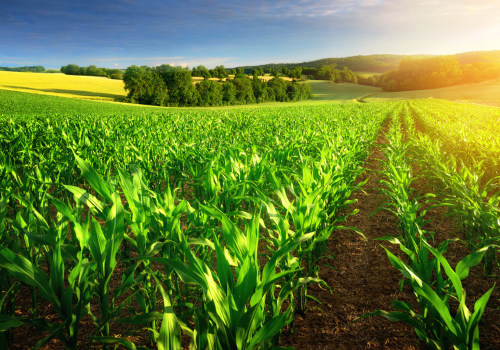
In recent years, organic farming has emerged as a prominent alternative to conventional agricultural practices, capturing the attention of consumers, farmers, and environmentalists alike. This method of farming emphasizes the use of natural processes and materials, steering clear of synthetic pesticides and fertilizers. As awareness of health and environmental issues grows, more people are turning to organic produce, believing it to be a healthier choice for themselves and the planet. The rise in demand for organic products has led to a significant increase in the number of organic farms across the United States and around the world.One of the primary benefits associated with organic farming is its potential to enhance biodiversity.
By avoiding harmful chemicals, organic farms create a more hospitable environment for various species, including beneficial insects, birds, and soil microorganisms. This biodiversity not only supports ecosystem health but also contributes to improved soil quality and resilience against pests and diseases. Additionally, many consumers perceive organic food as being fresher and more flavorful, further driving its popularity.However, the transition to organic farming is not without its challenges. Farmers often face higher production costs due to labor-intensive practices and the need for more land to achieve similar yields as conventional farms.
Furthermore, the lengthy certification process can be daunting for new entrants into the market. These factors contribute to a perception that organic food is more expensive, which can deter some consumers despite their interest in supporting sustainable practices.As we delve deeper into the true costs associated with organic farming, it becomes essential to examine both its advantages and drawbacks comprehensively. While the benefits of organic agriculture are significant, understanding the challenges it presents will provide a clearer picture of its overall impact on our food systems and environment.
The Financial Costs of Organic Farming
When considering the financial costs of organic farming, it is essential to understand that these expenses can be significantly higher than those associated with conventional farming. The initial setup costs for an organic farm can be daunting, as they often include expenses related to land acquisition, soil preparation, and the purchase of organic seeds and inputs.Initial Setup Costs
- Land Acquisition: The price of land varies widely depending on location, but organic farmers may face additional costs if they seek out land that has not been treated with synthetic chemicals.
- Soil Preparation: Organic farming requires a focus on soil health, which may involve investing in cover crops, composting systems, and organic fertilizers.
These practices can be more expensive than conventional methods.
- Organic Certification: Obtaining organic certification can take several years and involves fees for inspections and paperwork. This process can be a financial burden for new farmers.
Ongoing Operational Expenses
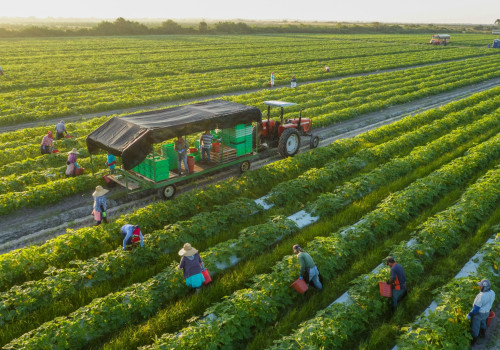
- Labor Costs: Organic farms often require more labor-intensive practices such as hand weeding and pest management, leading to higher labor costs compared to conventional farms that utilize chemical herbicides and pesticides.
- Organic Inputs: The cost of organic fertilizers and pest control methods can be higher than their synthetic counterparts. Farmers must also invest in sustainable practices that may not yield immediate financial returns.
- Market Fluctuations: The demand for organic products can be volatile, affecting pricing and profitability.
Farmers may find it challenging to predict income from their crops.
Labor Requirements in Organic Farming
Organic farming is often celebrated for its environmental benefits and the quality of its produce, but one of the most significant challenges it faces is the labor intensity associated with its practices.Unlike conventional farming, which can rely heavily on mechanization and synthetic inputs, organic farming requires a more hands-on approach to manage crops effectively.One of the primary reasons for this increased labor demand is the absence of synthetic pesticides and herbicides. Organic farmers must employ alternative methods for pest control and weed management, which often necessitates more manual labor. For instance, hand weeding is a common practice in organic farms to prevent weeds from competing with crops for nutrients and water. This method not only requires more time but also a skilled workforce that can identify and remove unwanted plants without damaging the crops.Additionally, organic farms often implement crop rotation and other sustainable practices that require careful planning and execution.
These methods are essential for maintaining soil health and preventing pest outbreaks but can be labor-intensive. Farmers must monitor soil conditions, plan planting schedules, and manage diverse crop types, all of which demand a dedicated workforce.The labor costs associated with organic farming can be substantial. According to various studies, organic farms may spend up to 50% more on labor compared to their conventional counterparts. This increase in labor costs is primarily due to the need for skilled workers who can perform tasks such as:
- Pest monitoring: Regularly checking for signs of pests and diseases to implement timely interventions.
- Soil management: Conducting soil tests and applying organic amendments to enhance fertility.
- Crop management: Ensuring that crops are planted, tended, and harvested at optimal times.
- Certification compliance: Maintaining records and adhering to regulations set by organic certification bodies.
Many regions face a shortage of skilled agricultural workers, making it difficult for organic farmers to find the help they need during peak seasons. This scarcity can lead to increased wages as farmers compete for available labor, further driving up production costs.In conclusion, while the principles of organic farming promote sustainability and environmental stewardship, the labor requirements associated with these practices cannot be overlooked. The need for a dedicated workforce capable of managing crops without synthetic inputs significantly impacts both the operational costs and the viability of organic farms in today’s competitive agricultural landscape.
Land Use and Environmental Impact
Organic farming is often lauded for its environmental benefits, yet one of the less discussed aspects is its significant land use requirements. Studies indicate that organic farms typically require more land to produce the same amount of food as their conventional counterparts.This increased demand for land can lead to serious environmental consequences, including deforestation and heightened greenhouse gas emissions.To understand the implications of land use in organic farming, it is essential to consider the following factors:
- Lower Yields: Organic farming practices often result in lower crop yields compared to conventional methods. This is primarily due to the absence of synthetic fertilizers and pesticides, which can enhance growth and protect crops from pests and diseases. Consequently, farmers may need to cultivate larger areas to meet market demand.
- Deforestation: As organic farming expands, there is a growing risk of deforestation. Forested areas are often cleared to make way for new organic farms, which not only destroys habitats but also releases stored carbon dioxide into the atmosphere, exacerbating climate change.
- Greenhouse Gas Emissions: While organic farming is generally perceived as more sustainable, the reality is that it can contribute to higher greenhouse gas emissions per unit of food produced.
A study conducted in Sweden found that organic peas had a 50% greater climate impact than conventional peas, with similar trends observed in other crops like wheat.
Market Demand and Pricing Challenges
The market for organic products has seen a significant rise in popularity over the past few decades, yet it remains a volatile landscape. This volatility can be attributed to several factors, including changing consumer preferences, economic conditions, and competition from conventional farming.Understanding these dynamics is crucial for organic farmers as they navigate pricing strategies and market demand.
Consumer Perceptions and Willingness to Pay
One of the primary drivers of organic food pricing is consumer perception. Many consumers associate organic products with higher quality, better health benefits, and environmental sustainability. This perception often leads to a willingness to pay a premium for organic goods. However, this willingness can fluctuate based on economic conditions and competing narratives about food production.For instance, during economic downturns, consumers may prioritize affordability over perceived health benefits, leading to decreased demand for organic products.
Conversely, in times of economic growth, consumers may be more inclined to invest in organic options, viewing them as a lifestyle choice rather than a necessity.
Pricing Strategies for Organic Farmers
Organic farmers must develop effective pricing strategies that reflect both their production costs and market demand. Here are some common approaches:
- Cost-Plus Pricing: This strategy involves calculating the total cost of production and adding a markup to ensure profitability. While straightforward, it may not always align with market demand.
- Value-Based Pricing: This approach focuses on the perceived value of organic products to consumers. Farmers may set prices based on what consumers are willing to pay rather than solely on production costs.
- Dynamic Pricing: Some farmers adopt dynamic pricing strategies that adjust prices based on real-time market conditions and consumer demand.
This flexibility can help maximize profits during peak demand periods.
Market Trends and Competition
The organic market is also influenced by trends such as the rise of e-commerce and direct-to-consumer sales models. Farmers who adapt to these trends can better meet consumer needs and potentially command higher prices. Additionally, competition from conventional farms that are beginning to offer organic options at lower prices poses a challenge for traditional organic farmers.In conclusion, while the demand for organic products continues to grow, it is essential for farmers to remain agile in their pricing strategies. By understanding consumer perceptions and market dynamics, they can better position themselves in this competitive landscape.
Certification Process and Regulatory Challenges
Obtaining organic certification is a crucial step for farmers who wish to market their products as organic.However, this process is often lengthy, complex, and costly, posing significant challenges, particularly for small-scale farmers.The organic certification process typically involves several stages:
- Application Submission: Farmers must first submit an application to a certifying agent. This application includes detailed information about farming practices, land use, and inputs used on the farm.
- Farm Inspection: After the application is reviewed, an inspector visits the farm to assess compliance with organic standards. This inspection evaluates everything from soil health to pest management practices.
- Documentation Review: The certifying agent reviews all documentation related to the farm's practices, including records of inputs and outputs, to ensure they align with organic regulations.
- Certification Decision: Based on the inspection and documentation review, the certifying agent makes a decision regarding certification. If approved, the farm receives an organic certificate valid for a specific period.
- Annual Renewal: Organic certification is not a one-time process; farmers must undergo annual inspections and renewals to maintain their status.
During this time, farmers may face financial strain as they invest in organic methods without immediate returns. Additionally, the costs associated with certification can be prohibitive. Fees for inspections, paperwork, and compliance can accumulate quickly, making it challenging for smaller operations to afford.Moreover, regulatory hurdles can vary significantly by region and certifying body. Different states may have unique requirements that complicate the certification process further.
For instance, some regions may require additional documentation or specific practices that are not universally mandated. This inconsistency can create confusion and additional barriers for farmers trying to navigate the system.The challenges in obtaining organic certification are not just logistical; they also impact market access. Without certification, farmers cannot label their products as organic, which limits their ability to compete in a growing market that increasingly values organic produce. As a result, many small-scale farmers may find themselves at a disadvantage compared to larger operations that have more resources to manage the certification process effectively.In conclusion, while organic certification is essential for accessing premium markets and promoting sustainable practices, the associated challenges can be daunting.
Addressing these regulatory hurdles is crucial for supporting small-scale farmers and ensuring that organic farming remains a viable option for diverse agricultural producers.
Biodiversity and Soil Health Considerations
Organic farming is often lauded for its positive impact on biodiversity and soil health. By avoiding synthetic pesticides and fertilizers, organic farms create a more hospitable environment for a variety of organisms, from beneficial insects to diverse plant species. This diversity is crucial not only for the ecosystem but also for the resilience of agricultural systems.Biodiversity in Organic Farming
- Organic farms typically feature a wider range of crops compared to conventional farms, which often rely on monoculture practices. This crop diversity helps to attract various pollinators and natural pest predators, reducing the need for chemical interventions.
- By fostering a habitat for wildlife, organic farms contribute to the preservation of local flora and fauna.
This can lead to healthier ecosystems that are better equipped to withstand environmental changes.
- Increased biodiversity can also enhance soil health. Different root structures from various plants can improve soil aeration and water retention, leading to more robust soil ecosystems.
Soil Health Benefits
- Organic farming practices such as crop rotation, cover cropping, and reduced tillage contribute significantly to soil health. These methods help maintain soil structure, prevent erosion, and enhance nutrient cycling.
- Organic matter from decomposed plant material enriches the soil, improving its fertility and ability to retain moisture. This is particularly important in times of drought or heavy rainfall.
- Healthy soils are teeming with microorganisms that play a vital role in nutrient availability.
These organisms help break down organic matter, making nutrients accessible to plants.
Potential Downsides
Despite these benefits, there are challenges associated with organic farming that can impact soil health:
- Nutrient Depletion: Continuous cropping without adequate replenishment can lead to nutrient depletion in organic soils. Farmers must be vigilant about implementing practices that restore soil nutrients, such as composting or using green manures.
- Erosion Risks: While organic practices aim to minimize erosion, certain methods can still lead to soil loss if not managed properly. For instance, tilling can disrupt soil structure and increase vulnerability to erosion during heavy rains.
Consumer Perceptions and Misconceptions about Organic Farming
Consumer perceptions of organic farming are often shaped by a mix of marketing, personal beliefs, and societal trends.Many individuals associate organic products with health benefits, believing that they are safer and more nutritious than their conventional counterparts. This perception is fueled by the idea that organic farms use natural methods, avoiding synthetic pesticides and fertilizers. However, the reality is more nuanced.One common misconception is that all organic food is free from pesticides. While it is true that organic farming restricts the use of synthetic pesticides, organic farmers can still use naturally derived pesticides.
Some of these substances can be just as harmful to the environment and human health as their synthetic counterparts. For instance, substances like copper sulfate, used in organic farming, can accumulate in the soil and lead to toxicity over time.Another prevalent belief is that organic farming guarantees better taste and quality. While some consumers report a preference for the flavor of organic produce, taste can be subjective and influenced by various factors such as freshness, variety, and growing conditions. The notion that organic equals superior quality does not always hold true across all products.Additionally, many consumers think that organic farming is synonymous with sustainability.
Although organic practices can promote biodiversity and soil health, they are not without their environmental impacts. For example, organic farms often require more land to produce the same yield as conventional farms, which can lead to deforestation and habitat loss.Public opinion on organics is also influenced by social factors. The rise of social media has amplified discussions around food choices, leading to a greater awareness of health and environmental issues. However, this has also resulted in the spread of misinformation.
Consumers may find themselves overwhelmed by conflicting messages about what constitutes healthy eating.In conclusion, while there are valid reasons to support organic farming, it is essential for consumers to critically evaluate their perceptions and the information available to them. Understanding the complexities behind organic practices can lead to more informed purchasing decisions and a clearer view of what it means to choose organic.
Future Trends in Organic Farming Costs and Practices
As the demand for organic produce continues to rise, the future of organic farming is poised for significant transformation. Innovations in agricultural practices and technology are emerging, aimed at reducing costs and enhancing sustainability. Here are some key trends that are likely to shape the future of organic farming:- Precision Agriculture: The integration of precision agriculture techniques is becoming increasingly popular among organic farmers.
By utilizing data analytics, GPS technology, and remote sensing, farmers can monitor crop health and soil conditions more accurately. This allows for targeted interventions, reducing waste and optimizing resource use.
- Biological Pest Control: As organic farmers seek alternatives to synthetic pesticides, biological pest control methods are gaining traction. Utilizing natural predators or beneficial insects can help manage pest populations effectively while maintaining ecological balance.
- Soil Health Innovations: Future practices will likely focus on enhancing soil health through regenerative agriculture techniques. Practices such as cover cropping, reduced tillage, and composting can improve soil structure and fertility, leading to higher yields without the need for synthetic fertilizers.
- Vertical Farming: Urban areas are increasingly adopting vertical farming systems that allow for organic produce to be grown in controlled environments.
This method not only reduces transportation costs but also minimizes land use, making it a sustainable option for city dwellers.
- Blockchain Technology: Transparency in the supply chain is becoming crucial for consumers. Blockchain technology can provide traceability from farm to table, ensuring that organic products meet certification standards and allowing consumers to make informed choices.
Conclusion: Weighing the True Costs of Organic Farming
In summary, the journey through the complexities of organic farming reveals a multifaceted landscape that is not as straightforward as it may initially appear.While the appeal of organic produce lies in its perceived health benefits and environmental advantages, it is crucial to recognize the hidden costs associated with this agricultural practice.One of the most significant factors influencing the true cost of organic farming is the labor-intensive nature of its practices. Without the use of synthetic pesticides and fertilizers, organic farmers often face increased labor demands to manage pests and maintain soil health. This translates into higher production costs, which are inevitably passed on to consumers, making organic products more expensive than their conventional counterparts.Moreover, the requirement for larger land areas to achieve similar yields as conventional farms raises concerns about land use and environmental sustainability. The potential for deforestation and increased greenhouse gas emissions cannot be overlooked when evaluating the overall impact of organic farming on our planet.Additionally, while organic farming promotes biodiversity by avoiding harmful chemicals, it also presents challenges such as fluctuating market demand and lengthy certification processes that can deter small-scale farmers from transitioning to organic methods.
These barriers can limit access to organic products for consumers who wish to support sustainable agriculture.As we weigh these factors, it becomes evident that making informed food choices requires a comprehensive understanding of both the benefits and drawbacks of organic farming. Consumers must consider not only the health implications but also the environmental consequences and economic realities associated with their food purchases.Ultimately, while organic farming offers a promising alternative to conventional agriculture, it is essential to approach this topic with a critical eye. By acknowledging the complexities involved, we can make more informed decisions that align with our values and contribute to a sustainable food system.