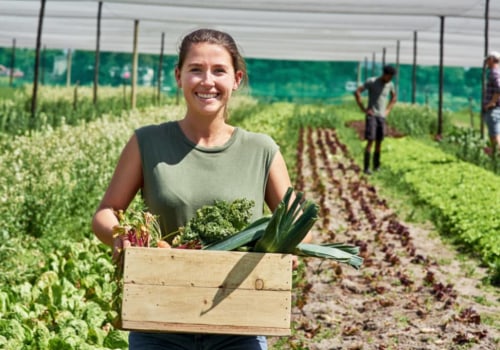
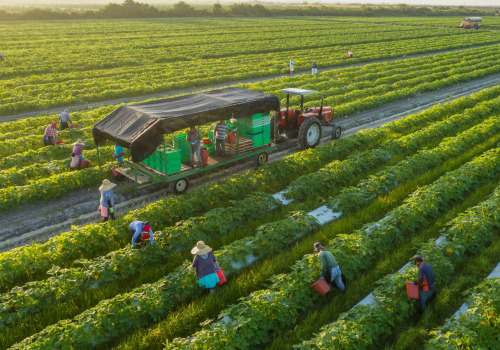
Organic farming represents a holistic approach to agriculture that emphasizes sustainability, biodiversity, and the health of ecosystems. At its core, organic farming is defined by its commitment to using natural processes and materials, avoiding synthetic fertilizers and pesticides, and promoting soil health through practices such as crop rotation and composting. This method of farming not only aims to produce food but also seeks to enhance the environment and support local communities.The significance of organic farming in modern agriculture cannot be overstated. As consumers become increasingly aware of the impact of their food choices on health and the environment, the demand for organic products has surged.
This growing interest is driven by a desire for food that is free from harmful chemicals and produced in a manner that respects animal welfare and ecological balance. Organic farms often serve as models for sustainable practices, showcasing how agriculture can coexist with nature rather than deplete it.Moreover, organic farming offers numerous benefits that extend beyond individual health. By fostering biodiversity, organic farms contribute to healthier ecosystems, which can lead to improved resilience against pests and diseases. Additionally, these farms often utilize methods that enhance soil fertility and structure, resulting in more productive land over time.
The emphasis on local production also supports regional economies and reduces the carbon footprint associated with transporting food over long distances.In summary, understanding organic farming is essential for anyone interested in the future of food production. As we delve deeper into this topic, we will explore the various facets of organic practices, their benefits, and the challenges they face in a rapidly changing agricultural landscape.
The Principles of Organic Farming
Organic farming is rooted in a set of principles that prioritize ecological balance, sustainability, and the health of both the environment and consumers. Understanding these principles is crucial for grasping how organic farms operate and why they differ significantly from conventional farming methods.One of the foundational principles of organic farming is biodiversity. Organic farms often cultivate a diverse range of crops and livestock, which helps to create a balanced ecosystem.This diversity not only enhances soil health but also reduces the risk of pest outbreaks and diseases. By planting various species, organic farmers can attract beneficial insects and pollinators, which play a vital role in maintaining ecological balance.Another key principle is soil health. Organic farming emphasizes the importance of nurturing the soil through natural practices. This includes using cover crops, crop rotation, and composting to enhance soil fertility and structure.
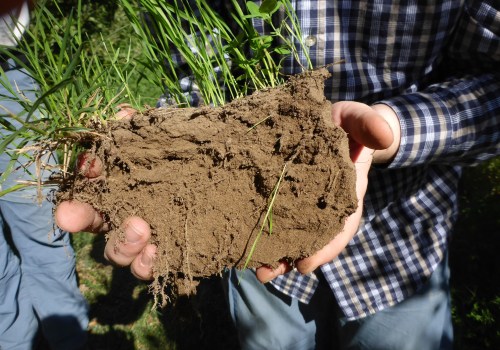
Healthy soil is rich in organic matter, which improves water retention and nutrient availability. By avoiding synthetic fertilizers and pesticides, organic farmers promote a thriving microbial community that contributes to long-term soil vitality.
Ecological balance
is also central to organic farming practices. Farmers strive to work with nature rather than against it. This means implementing practices that support natural processes, such as using natural pest control methods instead of chemical pesticides.
For instance, introducing predatory insects or using companion planting can help manage pests while preserving the ecosystem's integrity.Furthermore, organic farming promotes sustainable agriculture practicessustainable agriculture practices. This includes minimizing waste, conserving water, and reducing carbon footprints. Organic farms often utilize renewable resources and energy-efficient technologies to lessen their environmental impact. By focusing on sustainability, these farms contribute to the overall health of the planet while providing nutritious food for consumers.In summary, the principles of organic farming—biodiversity, soil health, ecological balance, and sustainable practices—form a holistic approach to agriculture that not only benefits farmers but also supports environmental stewardship and public health.
Common Myths About Organic Farming
Organic farming is often surrounded by a cloud of misconceptions that can mislead consumers and create confusion about its practices and benefits.Understanding these myths is essential for making informed choices about food and agriculture.
Myth 1: Organic Produce is Completely Pesticide-Free
One of the most pervasive myths is that organic produce is entirely free from pesticides. In reality, organic farmers do use pesticides, but they are typically derived from natural sources rather than synthetic chemicals. According to the USDA, organic farming allows for the use of non-synthetic pesticides, which can be applied more frequently than their conventional counterparts. This means that while organic produce may have fewer harmful chemicals, it is not entirely devoid of pesticide residues.
Myth 2: Organic Farming is Always Better for the Environment
While organic farming practices often promote biodiversity and soil health, it is not universally better for the environment.
For instance, some organic farms may require more land to produce the same yield as conventional farms, leading to deforestation or habitat loss. Additionally, the transportation of organic products over long distances can contribute to a larger carbon footprint compared to locally sourced conventional produce.
Myth 3: Organic Food is Always Healthier
Many consumers believe that organic food is inherently healthier than conventional food. However, research has shown that the nutritional differences between organic and conventional produce are minimal. While organic farming avoids synthetic fertilizers and pesticides, it does not guarantee higher nutrient content.
The health benefits of consuming fruits and vegetables—whether organic or conventional—are significant, but they largely depend on overall dietary patterns rather than the farming method.
Myth 4: Organic Farming Can Feed the World
Another common misconception is that organic farming alone can solve global food security issues. While organic methods can contribute to sustainable agriculture, they currently cannot meet the food demands of a growing global population without significant advancements in yield and efficiency. A balanced approach that incorporates both organic and conventional practices may be necessary to ensure food security while promoting environmental sustainability.By debunking these myths surrounding organic farming, consumers can make more informed decisions about their food choices and understand the complexities of agricultural practices. It’s crucial to look beyond labels and consider the broader implications of our food systems.
Health Benefits of Organic Produce
When it comes to the health benefits of organic produce, many consumers are increasingly turning to organic options, driven by a desire for healthier eating habits and a more sustainable lifestyle.One of the primary advantages of consuming organic food is the potential for enhanced nutritional value. Studies have suggested that organic fruits and vegetables may contain higher levels of certain nutrients compared to their conventionally grown counterparts.For instance, organic produce often has elevated levels of antioxidants, which are crucial for combating oxidative stress in the body. Antioxidants play a significant role in reducing inflammation and lowering the risk of chronic diseases such as heart disease and cancer. A study published in the British Journal of Nutrition found that organic crops had significantly higher concentrations of antioxidants than conventional crops, highlighting the potential health benefits associated with organic farming practices.Another critical aspect to consider is the reduced exposure to harmful chemicals.
Conventional farming methods frequently utilize synthetic pesticides and fertilizers, which can leave residues on food products. These chemicals have been linked to various health issues, including hormonal disruptions and increased cancer risk. By choosing organic produce, consumers can minimize their exposure to these potentially harmful substances.Moreover, organic farming practices emphasize soil health and biodiversity, which can lead to more nutrient-dense food. Healthy soil is rich in microorganisms that contribute to the nutritional profile of plants.
As a result, organic farms often yield produce that is not only better for the environment but also more beneficial for human health.However, it is essential to note that while there are many advantages to consuming organic food, the differences in nutritional value between organic and conventional produce can vary based on several factors, including soil quality, crop variety, and growing conditions. Therefore, while opting for organic may provide certain health benefits, it is also crucial for consumers to maintain a balanced diet rich in fruits and vegetables, regardless of their farming method.In conclusion, the health benefits associated with organic produce extend beyond just nutrition; they encompass a broader commitment to reducing chemical exposure and supporting sustainable agricultural practices. As consumers become more informed about their food choices, understanding these benefits can empower them to make healthier decisions for themselves and their families.
Environmental Impact of Organic Farming
Organic farming is often lauded for its positive environmental impact , which stems from its commitment to sustainable practices that prioritize the health of the ecosystem. By avoiding synthetic pesticides and fertilizers, organic farms contribute to a healthier environment in several key ways.Soil Health
One of the most significant benefits of organic farming is its emphasis on soil health.
Organic practices, such as crop rotation, cover cropping, and the use of organic compost, enhance soil structure and fertility. These methods promote the presence of beneficial microorganisms and earthworms, which are essential for nutrient cycling and soil aeration. Healthy soil not only supports robust plant growth but also acts as a carbon sink, helping to mitigate climate change by sequestering carbon dioxide from the atmosphere.
Water Conservation
Organic farms typically employ techniques that improve water retention in the soil, reducing the need for irrigation. Practices such as mulching and maintaining ground cover help to minimize evaporation and runoff, ensuring that water is used more efficiently.
This is particularly important in regions facing water scarcity, where every drop counts. Additionally, organic farming reduces the risk of water pollution from agricultural runoff, as it avoids harmful chemicals that can contaminate local waterways.
Biodiversity Enhancement
Another critical aspect of organic farming is its positive impact on biodiversity. Organic farms often feature a diverse array of crops and natural habitats, which support various species of plants, insects, and wildlife. This diversity not only contributes to a more resilient ecosystem but also helps control pests naturally through the presence of beneficial insects.
By fostering a balanced ecosystem, organic farms can reduce reliance on chemical interventions while promoting a healthier environment.Moreover, organic farming practices encourage the preservation of heirloom varieties and native species, which are crucial for maintaining genetic diversity in agriculture. This genetic diversity is vital for adapting to changing environmental conditions and ensuring food security in the long term.In conclusion, the environmental benefits of organic farming extend beyond just producing food; they play a crucial role in promoting sustainability in agriculture. By enhancing soil health, conserving water, and supporting biodiversity, organic farms contribute significantly to a healthier planet.
Economic Aspects of Organic Farming
The economic landscape of organic farming is multifaceted, presenting both opportunities and challenges for farmers and consumers. Understanding these economic aspects is crucial for anyone considering entering the organic market or simply looking to make informed purchasing decisions.One of the most significant economic benefits of organic farming is the potential for higher prices.Organic produce often commands a premium in the marketplace due to its perceived health benefits and environmentally friendly practices. According to recent studies, organic fruits and vegetables can sell for 20% to 100% more than their conventional counterparts. This price differential can significantly enhance the profitability of an organic farm, especially for small-scale producers who focus on niche markets.However, the cost of producing organic crops can also be higher. Organic farmers typically face increased labor costs due to the manual methods required for pest control and weed management, as well as the need for more extensive crop rotation and soil management practices.
Additionally, organic certification can involve substantial fees and time commitments, which may deter some farmers from transitioning to organic methods.
Market Trends in Organic Agriculture
The demand for organic products has been steadily increasing over the past decade, driven by consumer awareness of health and environmental issues. According to the Organic Trade Association, organic food sales in the United States reached over $60 billion in 2021, marking a significant growth trajectory. This trend indicates a robust market potential for organic farms, suggesting that investing in organic agriculture could be a wise financial decision.Moreover, as more consumers seek transparency in their food sources, there is a growing trend towards local organic produce. Farmers' markets and community-supported agriculture (CSA) programs have gained popularity, allowing consumers to buy directly from producers.This not only supports local economies but also reduces transportation costs and carbon footprints associated with food distribution.In conclusion, while there are undeniable economic benefits associated with organic farming, including higher market prices and growing consumer demand, it is essential to consider the associated costs and challenges. Farmers must weigh these factors carefully to determine whether transitioning to or starting an organic farm aligns with their financial goals and capabilities.
Challenges Facing Organic Farmers
Organic farmers face a myriad of challenges that can hinder their ability to thrive in a competitive agricultural landscape. Understanding these obstacles is essential for anyone interested in the future of sustainable agriculture.Certification Processes
One of the most significant hurdles for organic farmers is navigating the complex certification process. Obtaining organic certification requires adherence to strict guidelines set by regulatory bodies, which can vary significantly from one region to another.
This process often involves:
- Documenting farming practices over a three-year transition period.
- Maintaining detailed records of inputs and outputs.
- Undergoing regular inspections by certifying agents.
Pest Management Without Synthetic Chemicals
Another challenge organic farmers encounter is effective pest management. While organic farming prohibits the use of synthetic pesticides, it does not mean that pests are absent. In fact, organic crops can be more susceptible to certain pests due to the absence of chemical controls. Farmers must rely on:
- Natural predators and beneficial insects.
- Cultural practices such as crop rotation and intercropping.
- Organic-approved pest control methods, which may be less effective than their synthetic counterparts.
Competition with Conventional Agriculture
The competition posed by conventional agriculture is another significant obstacle for organic farmers.
Conventional farms often benefit from:
- Lower production costs due to economies of scale.
- Access to a wider range of chemical inputs that can enhance yields.
- Established supply chains and distribution networks.
The Future of Organic Farming
The landscape of organic farming is poised for significant transformation in the coming years, driven by a combination of consumer demand, technological advancements, and a growing awareness of environmental sustainability. As more consumers seek out organic products for their perceived health benefits and lower environmental impact, the organic market is expected to continue its robust growth.One of the most promising trends in organic agriculture is the integration of technology. Innovations such as precision agriculture, which utilizes data analytics and satellite imagery, are becoming increasingly accessible to organic farmers.These technologies allow for more efficient resource management, enabling farmers to monitor soil health, crop conditions, and pest populations in real-time. By adopting these tools, organic farmers can optimize their practices while maintaining their commitment to sustainability.Moreover, advancements in biotechnology are also making waves in the organic sector. While traditional organic farming has often shunned genetic modification, new techniques such as CRISPR gene editing are being explored for their potential to enhance crop resilience without compromising organic standards. This could lead to the development of crops that are better suited to withstand climate change impacts, such as drought or disease.Another trend shaping the future of organic farming is the rise of regenerative agriculture practices.
These methods focus on restoring soil health and biodiversity through techniques like cover cropping, crop rotation, and agroforestry. By prioritizing soil health, regenerative practices not only improve yields but also contribute to carbon sequestration efforts, making them an attractive option for environmentally conscious consumers.The growth of the organic market is also being fueled by increased accessibility. As more retailers expand their organic offerings and online grocery shopping becomes more prevalent, consumers are finding it easier than ever to purchase organic products. This shift is likely to encourage more farmers to transition to organic practices, further expanding the market.In conclusion, the future of organic farming looks bright as it adapts to meet the challenges of a changing world.
With innovations in technology and a commitment to sustainable practices, organic agriculture is not only set to grow but also evolve into a more resilient and efficient system that benefits both farmers and consumers alike.
Conclusion: The Balanced Perspective on Organic Farming
In conclusion, the discourse surrounding organic farming is multifaceted and requires a nuanced understanding. Throughout this article, we have explored various aspects of organic agriculture, highlighting both its merits and its limitations. It is essential to recognize that while organic farming offers significant benefits, such as reduced pesticide use and enhanced biodiversity, it is not without its challenges.One of the primary advantages of organic farming is its commitment to sustainability. By avoiding synthetic pesticides and fertilizers, organic farms contribute to healthier ecosystems and promote soil health.This approach not only benefits the environment but also supports the well-being of consumers who are increasingly concerned about the quality of their food.However, it is crucial to address the misconceptions that often cloud public perception. For instance, the belief that organic crops are entirely free from pesticides is misleading. Organic farmers do use non-synthetic pesticides, which can be applied more frequently than their conventional counterparts. This reality underscores the importance of informed consumer choices and a deeper understanding of what organic certification entails.Moreover, as organic farming becomes more commercialized, it faces challenges related to scalability and accessibility.
The growing demand for organic products can strain resources and lead to practices that may not align with the original principles of organic agriculture. This commercialization raises questions about the long-term viability of organic farming as a solution to global food security.Ultimately, a balanced perspective on organic farming involves recognizing its role within a broader agricultural context. Both organic and conventional methods have their strengths and weaknesses. Rather than pitting one against the other, we should focus on integrating sustainable practices from both systems to create a resilient food production model.As we move forward, it is vital for consumers, farmers, and policymakers to engage in open dialogues about agricultural practices.
By fostering collaboration and innovation across all forms of agriculture, we can work towards a sustainable future that meets the needs of our growing population while preserving our planet's health.