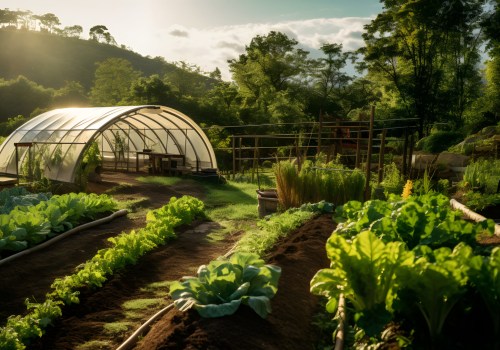
In recent years, organic farming has emerged as a significant player in the agricultural landscape, capturing the attention of consumers, farmers, and policymakers alike. This method of farming emphasizes the use of natural processes and materials, steering clear of synthetic pesticides and fertilizers. As a result, organic farms play a vital role of farm produce in maintaining sustainability, promoting biodiversity and soil health while reducing chemical runoff into our ecosystems.The rise in popularity of organic farming can be attributed to a growing awareness among consumers about the food they eat and its impact on their health and the environment. Many individuals are increasingly seeking out organic products, believing them to be healthier and more environmentally friendly. has emerged as a significant player in the agricultural landscape, capturing the attention of consumers, farmers, and policymakers alike. This method of farming emphasizes the use of natural processes and materials, steering clear of synthetic pesticides and fertilizers. As a result, organic farms play a vital role of farm produce in maintaining sustainability, promoting biodiversity and soil health while reducing chemical runoff into our ecosystems.The rise in popularity of organic farming can be attributed to a growing awareness among consumers about the food they eat and its impact on their health and the environment. Many individuals are increasingly seeking out organic products, believing them to be healthier and more environmentally friendly.
This shift in consumer behavior has led to a surge in demand for organic produce, prompting farmers to adapt their practices to meet this new market trend.However, the transition to an organic farm is not without its challenges. While the benefits of organic farming are numerous—such as improved soil fertility, reduced exposure to harmful chemicals, and enhanced biodiversity—there are also significant costs associated with this method. Farmers must navigate the complexities of organic certification, invest in sustainable practices, and often face lower yields compared to their conventional counterparts. Understanding these dynamics is crucial for both producers and consumers as they engage with the organic market.As we delve deeper into the true costs of organic farming, it becomes essential to recognize not only the advantages but also the hidden expenses that can impact both farmers' livelihoods and consumers' choices.
By exploring these factors, we can gain a comprehensive understanding of what it truly means to support organic agriculture in today's world.
The Financial Costs of Organic Farming
Operating an organic farm involves a unique set of financial challenges that can significantly impact the viability and sustainability of the farming operation. Understanding these costs is crucial for both current and prospective organic farmers.Initial Setup Costs
The journey to establishing an organic farm begins with substantial initial investments. These costs can include:
- Land Acquisition: Purchasing or leasing land suitable for organic farming can be expensive, especially in regions where demand for organic produce is high.
- Soil Preparation: Organic farms often require extensive soil amendments to meet organic standards, which can involve costs for compost, cover crops, and other natural fertilizers.
- Certification Fees: Obtaining organic certification from recognized bodies involves fees that can vary based on the size of the farm and the complexity of the operation.
- Equipment and Infrastructure: Investing in specialized equipment for organic farming practices, such as seeders, tillers, and irrigation systems, adds to the initial financial burden.
Ongoing Operational Expenses
Once the farm is established, ongoing operational expenses continue to challenge organic farmers. These include:
- Labor Costs: Organic farming typically requires more manual labor than conventional farming due to the absence of synthetic pesticides and fertilizers.
This can lead to higher labor costs as farmers need to invest in skilled workers who understand organic practices.
- Pest and Disease Management: Without chemical pesticides, organic farmers must rely on alternative pest management strategies, which can be more labor-intensive and costly.
- Organic Inputs: The cost of organic seeds, fertilizers, and pest control methods can be significantly higher than their conventional counterparts.
- Marketing Expenses: Organic products often require additional marketing efforts to reach consumers who are willing to pay a premium for organic goods. This includes branding, packaging, and promotional activities.
Comparative Costs with Conventional Farming
The financial landscape of organic farming is often contrasted with conventional farming. While conventional farms may benefit from lower input costs due to the use of synthetic chemicals, organic farms face higher production costs that are frequently passed on to consumers. Studies indicate that organic products can be priced up to 40% higher than conventional options.
However, many consumers are willing to pay this premium for perceived health benefits and environmental sustainability.In conclusion, while the financial challenges associated with running an organic farm are significant, they also reflect a commitment to sustainable practices that prioritize environmental health and consumer safety. Understanding these costs is essential for anyone considering entering the organic farming sector.
Labor Intensity and Its Impact on Costs
Organic farming is characterized by its reliance on manual labor and skilled workers, which significantly influences the overall production costs. Unlike conventional farming, which often utilizes mechanization and chemical inputs to streamline processes, organic farms require a more hands-on approach to manage crops effectively. This labor intensity can lead to higher operational expenses, impacting both farmers and consumers.One of the primary reasons for the increased labor demands in organic farming is the absence of synthetic pesticides and fertilizers.Farmers must invest more time and effort into crop management , including tasks such as weeding, pest control, and soil health maintenance. These activities often necessitate a larger workforce compared to conventional methods, where machines can perform many of these tasks quickly and efficiently.Moreover, the need for skilled labor is paramount in organic agriculture. Farmers must possess a deep understanding of sustainable practices, soil biology, and pest management strategies. This expertise is essential for ensuring that crops thrive without the aid of chemical interventions.
As a result, organic farms often seek workers who are not only physically capable but also knowledgeable about organic practices.The reliance on skilled labor can further escalate costs. Organic farmers may need to offer competitive wages to attract qualified individuals, especially in regions where agricultural labor is in high demand. Additionally, training new employees in organic methods can be time-consuming and resource-intensive.Furthermore, seasonal fluctuations in labor needs can complicate workforce management. During peak planting and harvesting seasons, organic farms may struggle to find enough workers to meet their demands.
This scarcity can lead to increased wages or reliance on temporary labor solutions, both of which contribute to rising costs.In summary, the labor intensity associated with organic farming plays a crucial role in shaping its economic landscape. The combination of manual labor requirements and the need for skilled workers results in higher production costs that are often passed on to consumers. Understanding these dynamics is essential for anyone considering the implications of choosing organic products over conventionally produced alternatives.
Certification and Compliance Costs
Obtaining and maintaining organic certification is a significant financial commitment for farmers, particularly those transitioning from conventional to organic farming practices. The process involves various costs that can accumulate quickly, impacting the overall viability of an organic farm.To begin with, the initial application for organic certification can range from a few hundred to several thousand dollars, depending on the size of the farm and the complexity of its operations.This fee typically covers the administrative costs associated with processing the application and conducting an initial inspection. However, this is just the tip of the iceberg.Once certified, farmers must adhere to strict USDA organic standards, which require ongoing compliance. This includes regular inspections, which can occur annually or biannually, depending on the certifying agent. Each inspection incurs additional fees, which can vary widely based on location and the inspector's travel costs.
Farmers may also need to invest in record-keeping systems to document their practices and inputs, ensuring they meet organic standards.Moreover, compliance with organic regulations often necessitates changes in farming practices that can lead to increased operational costs. For instance:
- Soil Management: Organic farmers must implement sustainable soil management practices, which may require purchasing organic fertilizers or cover crops that are more expensive than conventional options.
- Pest Control: Without synthetic pesticides, farmers must rely on natural pest control methods, which can be labor-intensive and costly.
- Training and Education: Farmers may need to invest in training programs to understand organic practices fully and stay updated on regulatory changes.
Environmental Costs and Sustainability Considerations
Organic farming is often lauded for its potential to promote sustainability and reduce environmental harm.However, it is essential to critically examine the environmental impact of organic farming practices to understand their true ecological costs.
Land Use and Deforestation
One of the most significant environmental concerns associated with organic farming is land use. Organic farms typically require more land to produce the same amount of food as conventional farms due to the absence of synthetic fertilizers and pesticides. This increased demand for land can lead to deforestation , as forests are cleared to make way for new agricultural fields. Deforestation not only contributes to habitat loss for countless species but also diminishes the planet's ability to sequester carbon, exacerbating climate change.Biodiversity Impacts
While organic farming practices aim to enhance biodiversity through crop rotation and reduced chemical inputs, the reality can be more complex.The conversion of natural habitats into organic farms can disrupt local ecosystems, leading to a decline in native species. Furthermore, the focus on monoculture in some organic systems can limit biodiversity, as farmers may prioritize high-demand crops over a diverse range of plants.
Carbon Footprint Considerations
The carbon footprint of organic farms is another critical aspect to consider. Although organic practices often result in lower greenhouse gas emissions from fertilizers, they can still contribute significantly to emissions through other means:- Transportation: Organic products often travel longer distances to reach consumers, increasing emissions associated with transportation.
- Soil Management: Organic farming relies heavily on tillage, which can lead to soil erosion and loss of soil carbon.
- Energy Use: The machinery used in organic farming may consume more energy due to the increased labor required for weed and pest management.
Market Dynamics: Pricing and Consumer Perception
The pricing of organic food is a complex interplay of various market dynamics that significantly influences consumer perception and ultimately affects farmers' profitability.As the demand for organic products continues to rise, understanding the factors that contribute to their pricing becomes essential for both consumers and producers.One of the primary reasons organic products are priced higher than their conventional counterparts is the cost of production. Organic farming practices often require more labor-intensive methods, as farmers avoid synthetic pesticides and fertilizers. This increased labor translates into higher operational costs, which are then reflected in the retail prices of organic goods. Additionally, organic farms typically yield lower quantities per acre compared to conventional farms, necessitating a higher price point to maintain profitability.Moreover, the certification process for organic farming can be both time-consuming and costly.
Farmers must adhere to strict guidelines set by regulatory bodies, which can involve significant financial investment in terms of compliance and certification fees. These costs are often passed on to consumers, further inflating the prices of organic products.Consumer perception plays a crucial role in shaping the market for organic foods. Many consumers associate organic products with superior quality, health benefits, and environmental sustainability. This perception allows producers to command higher prices, as consumers are often willing to pay a premium for what they believe to be healthier options.
However, this willingness can vary based on demographic factors such as income level and education.In recent years, there has been a noticeable shift in consumer attitudes towards organic products. A growing awareness of health issues related to pesticide use and a desire for sustainable farming practices have led more consumers to seek out organic options. This trend has resulted in increased market demand for organic farming, prompting retailers to expand their offerings and promote organic products more aggressively.Despite these positive trends, challenges remain for farmers in the organic sector. The fluctuating prices of organic goods can create uncertainty in profitability.
Additionally, competition from both domestic and international markets can impact pricing strategies. Farmers must navigate these complexities while striving to meet consumer expectations for quality and sustainability.In conclusion, the dynamics of pricing in the organic food market are influenced by production costs, consumer perceptions, and market demand. As awareness of the benefits of organic farming continues to grow, it is essential for both consumers and producers to understand these factors to foster a sustainable and profitable organic farming industry.
Comparative Analysis: Organic vs. Conventional Farming Costs
When evaluating the costs associated with organic and conventional farming, it is essential to consider various factors that contribute to the overall financial landscape of each method.While both approaches aim to produce food, their methodologies and associated expenses differ significantly.
Initial Investment and Certification Costs
- Organic farming often requires a higher initial investment due to the need for certification. Farmers must adhere to strict guidelines set by organizations like the USDA, which can involve costs for inspections, documentation, and compliance.
- In contrast, conventional farming does not require such certification, allowing farmers to allocate their resources towards other operational needs.
Input Costs
- Organic farms typically incur higher input costs because they rely on natural fertilizers and pest control methods. These inputs can be more expensive than synthetic alternatives used in conventional farming.
- Conventional farmers benefit from economies of scale when purchasing chemical fertilizers and pesticides, often leading to lower per-acre costs.
Labor Costs
- The labor intensity of organic farming is generally higher. Organic farmers often engage in manual weeding and pest management, which can lead to increased labor costs compared to conventional methods that utilize herbicides and pesticides.
- This reliance on manual labor can also result in a smaller profit margin for organic farmers, especially if they are unable to charge significantly higher prices for their products.
Yield Differences
- One of the most significant differences between organic and conventional farming lies in crop yields.
Organic farms may produce lower yields due to the absence of synthetic fertilizers and pesticides, which can affect overall productivity.
- However, some studies suggest that organic farming can yield comparable results over time as soil health improves and biodiversity increases.
Market Prices and Consumer Demand
- Despite the higher production costs, organic products often command premium prices in the market. Consumers are willing to pay more for organic produce due to perceived health benefits and environmental sustainability.
- This price differential can help offset some of the higher costs associated with organic farming, making it a viable option for many farmers.
Future Trends in Organic Farming Costs
As the organic farming sector continues to evolve, several future trends are emerging that could significantly impact the costs associated with organic farming. These trends are driven by technological advancements, changing consumer preferences, and a growing emphasis on sustainability.Technological Innovations
- Precision Agriculture: The integration of precision agriculture technologies, such as drones and satellite imagery, allows farmers to monitor crop health and soil conditions more accurately.
This can lead to optimized resource use, reducing waste and potentially lowering production costs over time.
- Biotechnology: Advances in biotechnology may enable organic farmers to develop more resilient crop varieties that require fewer inputs. This could mitigate some of the challenges associated with pest management and soil fertility, ultimately leading to lower costs.
- Automation: The rise of automation in farming practices, including robotic harvesting and automated irrigation systems, can help reduce labor costs and increase efficiency. As these technologies become more accessible, they may help offset some of the higher expenses traditionally associated with organic farming.
Changing Consumer Preferences
Consumer demand for organic products is expected to continue growing, driven by increasing awareness of health and environmental issues. As more consumers seek out organic options, economies of scale may come into play.
Larger production volumes could lead to reduced prices for organic products as farmers benefit from lower per-unit costs.
Sustainability Practices
- Regenerative Agriculture: A shift towards regenerative agricultural practices is gaining traction among organic farmers. These practices focus on improving soil health and biodiversity, which can enhance long-term productivity and potentially lower input costs associated with fertilizers and pesticides.
- Local Sourcing: The trend towards local sourcing is also influencing organic farming costs. By reducing transportation expenses and supporting local economies, farmers may find ways to keep their prices competitive while maintaining quality.
Conclusion: Weighing the True Costs of Organic Farming
In conclusion, the journey through the landscape of organic farming reveals a complex interplay of benefits and challenges that must be carefully considered.While the appeal of organic produce lies in its perceived health benefits and environmental sustainability, the true costs associated with organic farming extend beyond mere financial implications.Throughout this discussion, we have highlighted several key factors that contribute to the overall cost of organic farming:
- Higher Production Costs: Organic farmers often face increased labor and resource requirements due to the absence of synthetic pesticides and fertilizers. This can lead to significantly higher production costs, which are frequently passed on to consumers.
- Land Use and Environmental Impact: The necessity for more land to produce equivalent yields can result in deforestation and habitat loss, raising concerns about biodiversity and carbon emissions.
- Certification Expenses: Obtaining organic certification can be a costly and time-consuming process, particularly for smaller farms that may lack the financial resources to navigate these requirements.
- Market Dynamics: The competitive landscape for organic products is influenced by global market trends, which can affect pricing and availability, especially for niche products like organic cotton.
By doing so, we can support sustainable practices that not only benefit our health but also contribute positively to the planet's well-being.