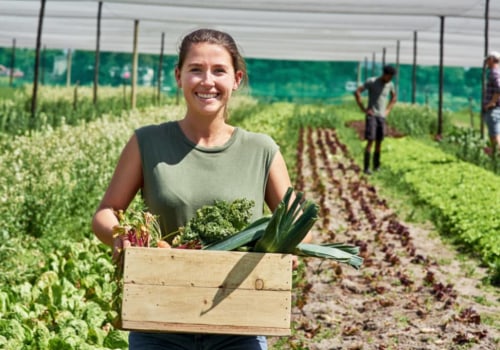
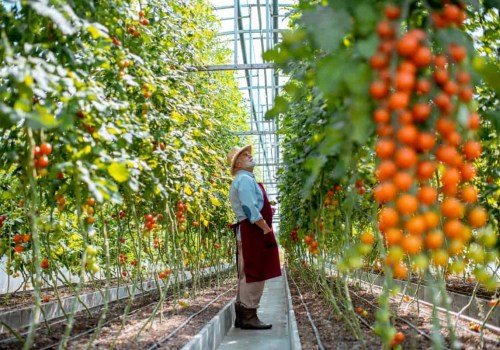
Organic farming represents a holistic approach to agriculture that prioritizes the health of the ecosystem, the soil, and the food produced. At its core, organic farming is defined by its commitment to sustainable practices that avoid synthetic chemicals, genetically modified organisms (GMOs), and artificial fertilizers. Instead, it emphasizes natural processes and biodiversity, aiming to create a balanced environment where crops can thrive without the need for harmful interventions. This method not only nurtures the land but also fosters a deeper connection between farmers and their produce.The significance of organic farming has surged in recent years, driven by a growing consumer demand for healthier, environmentally friendly food options.
As people become more aware of the potential health risks associated with conventional farming practices—such as pesticide residues and soil degradation—many are turning to organic products as a safer alternative. This shift is not merely a trend; it reflects a broader movement towards sustainability and ethical consumption that resonates with consumers across various demographics.Moreover, the benefits of organic farming extend beyond individual health. By promoting biodiversity and reducing pollution, organic farms contribute positively to the environment. They enhance soil fertility through natural composting methods and crop rotation, which helps maintain nutrient levels without depleting the earth's resources.
Additionally, organic farms often use integrated pest management techniques that rely on natural predators rather than chemical pesticides, further supporting ecological balance.In essence, understanding organic farming is crucial for anyone interested in sustainable agriculture or seeking to make informed choices about their food sources. As we delve deeper into this guide, we will explore the principles that underpin organic practices, the certification process for organic farms, and the myriad benefits they offer to both consumers and the planet.
The Principles of Organic Farming
Organic farming is grounded in a set of principles that prioritize environmental health, sustainability, and the well-being of communities. Understanding these principles is essential for anyone interested in establishing or supporting an organic farm.Soil Health
At the heart of organic farming lies the commitment to maintaining and enhancing soil health. Healthy soil is rich in organic matter, microorganisms, and nutrients, which are crucial for growing robust crops.
Organic farmers employ practices such as:
- Crop rotation: Alternating different crops in a specific sequence to improve soil fertility and disrupt pest cycles.
- Cover cropping: Planting cover crops during off-seasons to prevent soil erosion, suppress weeds, and enhance soil structure.
- Composting: Utilizing organic waste materials to create nutrient-rich compost that enriches the soil.
Biodiversity
Another fundamental principle of organic farming is the promotion of biodiversity. A diverse ecosystem supports a variety of plant and animal life, which contributes to natural pest control and pollination. Organic farms often incorporate:
- Diverse crop varieties: Growing multiple types of crops to enhance resilience against pests and diseases.
- Natural habitats: Preserving or creating habitats for beneficial insects and wildlife that contribute to ecological balance.
- Integrated pest management (IPM): Using biological controls and cultural practices to manage pests rather than relying solely on chemical pesticides.
Ecological Balance
Organic farming seeks to create a balanced ecosystem where all components work together harmoniously. This involves understanding the interactions between plants, animals, and the environment.
Practices that support ecological balance include:
- Minimal tillage: Reducing soil disturbance to maintain soil structure and protect organisms living within it.
- Water conservation: Implementing techniques such as drip irrigation and rainwater harvesting to use water efficiently.
- Sustainable livestock management: Raising animals in a manner that respects their natural behaviors while ensuring their health and welfare.
Organic Certification: What You Need to Know
Obtaining organic certification is a crucial step for farmers who wish to market their products as organic. This process is governed by the United States Department of Agriculture (USDA) , which has established a set of regulations and standards that must be met to achieve certification. Understanding these requirements is essential for any farmer considering the transition to organic farming.The first step in the organic certification process is to develop an Organic System Plan (OSP).This comprehensive document outlines the farming practices and procedures that will be used to maintain organic integrity. It should include:
- Crop rotation plans to enhance soil health and prevent pest buildup.
- Soil fertility management strategies, emphasizing natural fertilizers and composting methods.
- Pest and disease management techniques that rely on biological controls rather than synthetic pesticides.
- Record-keeping practices that document all inputs and outputs on the farm.
- The implementation of the OSP.
- The presence of any prohibited substances in the soil or on crops.
- The overall compliance with USDA organic regulations.
However, it’s important to note that there is a transition period for farms converting from conventional to organic practices. Typically, this period lasts three years, during which time farmers must adhere strictly to organic standards without being able to market their products as organic.In addition to initial certification, farmers must also maintain compliance with USDA regulations through annual inspections and updates to their OSP. This ongoing commitment ensures that organic standards are upheld and helps build consumer trust in organic products.For those looking to navigate this complex process, resources such as the National Organic Program (NOP) website provide valuable information and guidance on how to get certified organic. By understanding these steps and requirements, farmers can successfully transition to organic farming and tap into the growing market for organic products.
Transitioning to Organic Farming
Transitioning from conventional to organic farming is a significant step that requires careful planning, dedication, and a clear understanding of the challenges involved.This process is not merely about changing farming practices; it involves a holistic shift in how you approach agriculture, sustainability, and consumer relationships.
Understanding the Transition Process
The transition to organic farming typically spans a period of three years. During this time, farmers must adhere to organic practices while their land is being certified. This means that any crops grown during this period cannot be labeled as organic until the transition is complete. The following steps outline the essential phases of this transition:
- Assessment of Current Practices: Evaluate your existing farming methods and identify areas that need change.
This includes reviewing soil health, pest management strategies, and crop rotation practices.
- Education and Training: Invest time in learning about organic farming techniques. Attend workshops, read relevant literature, and connect with experienced organic farmers to gain insights.
- Soil Management: Focus on improving soil health through organic amendments such as compost, cover crops, and natural fertilizers. Healthy soil is the foundation of successful organic farming.
- Pest and Disease Control: Develop a plan for managing pests and diseases using biological controls and natural remedies instead of synthetic pesticides.
- Record Keeping: Maintain detailed records of all farming activities, inputs used, and crop yields. This documentation is crucial for the certification process.
Challenges of Transitioning
The journey to becoming an organic farm is not without its challenges.
Some common obstacles include:
- Financial Constraints: The initial costs associated with transitioning can be high. Farmers may face reduced yields during the transition period, impacting their income.
- Knowledge Gaps: Many farmers may lack experience with organic practices, making it essential to seek education and mentorship.
- Pest Management Issues: Adjusting to new pest management strategies can be daunting, especially if farmers are accustomed to conventional methods.
- Market Access: Finding buyers for organic products can be challenging initially, requiring farmers to build relationships with local markets or distributors.
Timeline for Organic Transition
The timeline for transitioning to organic farming varies based on several factors, including the size of the farm and the specific crops being grown. Generally, here’s what you can expect:
- Year 1: Begin implementing organic practices while continuing to manage existing crops. Focus on soil health improvements and pest management strategies.
- Year 2: Continue refining organic methods and start planting crops that will eventually be certified as organic.
Maintain thorough records for certification purposes.
- Year 3: Complete the transition process by applying for USDA organic certification. If successful, your farm will be recognized as an organic operation.
Common Practices in Organic Farming
Organic farming is not just a method of growing crops; it is a holistic approach that emphasizes sustainability, biodiversity, and ecological balance. To achieve these goals, organic farmers employ a variety of practices that enhance soil health, promote plant growth, and manage pests naturally.Crop Rotation
One of the cornerstone techniques in organic farming is crop rotation.This practice involves alternating the types of crops grown in a particular area across different seasons or years. By rotating crops, farmers can:
- Improve Soil Fertility: Different plants have varying nutrient requirements. For instance, legumes can fix nitrogen in the soil, enriching it for subsequent crops.
- Reduce Pest and Disease Pressure: Many pests and diseases are crop-specific. By changing the crops planted in a given area, farmers can disrupt the life cycles of these pests and reduce their populations.
- Enhance Biodiversity: Diverse cropping systems support a wider range of beneficial organisms, which can contribute to pest control and pollination.
Cover Cropping
Another essential practice is cover cropping , where farmers plant specific crops during the off-season.These cover crops serve multiple purposes:
- Soil Erosion Prevention: Cover crops help hold the soil in place, reducing erosion caused by wind and water.
- Nutrient Management: Certain cover crops can improve soil structure and increase organic matter content, which enhances nutrient availability for future crops.
- Pest Suppression: Some cover crops can deter pests or attract beneficial insects that prey on harmful species.
Pest Management
Effective pest management is crucial for maintaining healthy organic farms. Organic farmers utilize a variety of natural methods to control pests without resorting to synthetic chemicals. These methods include:- Biological Control: Introducing natural predators or parasites to manage pest populations is a common strategy. For example, ladybugs can help control aphid populations.
- Cultural Practices: Adjusting planting times, using resistant crop varieties, and maintaining healthy soil can all contribute to reducing pest pressures.
- Natural Pesticides: When necessary, organic farmers may use natural substances derived from plants or minerals to manage pests effectively while adhering to organic standards.
Challenges and Controversies in Organic Farming
Organic farming, while celebrated for its environmental benefits and health-conscious approach, is not without its challenges and controversies.Understanding these issues is crucial for anyone considering entering the organic farming sector or for consumers who wish to make informed choices about their food.
Challenges of Organic Farming
- Higher Production Costs: One of the most significant challenges organic farmers face is the increased cost of production. Organic inputs, such as natural fertilizers and pest control methods, can be more expensive than their synthetic counterparts. Additionally, organic farmers often have lower yields compared to conventional farming, which can further strain their financial viability.
- Labor Intensity: Organic farming typically requires more manual labor than conventional methods. Tasks such as weeding, pest management, and crop rotation demand more time and effort, which can be a barrier for many farmers.
- Pest and Disease Management: Without the use of synthetic pesticides, organic farmers must rely on natural methods for pest control.
This can be less effective and requires a deeper understanding of ecological systems. Farmers may struggle with pest outbreaks that could devastate crops.
- Market Access: While demand for organic products is growing, access to markets can still be a challenge. Organic farmers may find it difficult to secure contracts with retailers or distributors who prioritize larger conventional farms.
Controversies in Organic Agriculture
- Certification Standards: The USDA organic certification process has faced criticism for being too lenient. Some argue that certain practices allowed under current standards do not align with the original principles of organic farming.
For instance, the use of certain non-organic substances in processing has raised eyebrows among purists.
- Biotechnology in Organic Farming: The debate over whether genetically modified organisms (GMOs) should be allowed in organic farming continues to spark controversy. While current regulations prohibit GMOs in certified organic products, some advocates argue that biotechnology could enhance sustainability and yield in organic systems.
- Sewage Sludge Use: The allowance of treated sewage sludge as fertilizer in some organic practices has been met with significant backlash. Critics argue that this practice contradicts the fundamental principles of organic farming by introducing potential contaminants into the soil and food supply.
The Future of Organic Farming
The landscape of organic farming is rapidly evolving, driven by a combination of consumer demand, technological advancements, and a growing awareness of environmental sustainability.As more consumers prioritize health and ecological responsibility, the future of organic farming is poised for significant transformation.
Emerging Trends in Organic Farming
- Increased Consumer Awareness: Today's consumers are more informed than ever about the benefits of organic products. This heightened awareness is leading to a surge in demand for organic produce, dairy, and meat. As a result, farmers are increasingly motivated to adopt organic practices to meet this growing market.
- Regenerative Agriculture: A trend gaining traction within the organic community is regenerative agriculture, which focuses on restoring soil health and biodiversity. This approach not only enhances the quality of organic products but also contributes to carbon sequestration, making it a vital strategy in combating climate change.
- Local and Urban Farming: The rise of local food movements has spurred interest in urban and community-based organic farming.
Consumers are seeking fresh, locally sourced products, prompting farmers to establish urban farms and community-supported agriculture (CSA) programs that deliver organic produce directly to consumers.
Innovations in Organic Agriculture
- Precision Agriculture: Technological innovations such as precision agriculture are revolutionizing organic farming. By utilizing data analytics, GPS technology, and drones, farmers can optimize their practices for better yields while minimizing resource use.
- Biological Pest Control: Innovations in pest management are also shaping the future of organic farming. Farmers are increasingly turning to biological pest control methods that utilize natural predators or biopesticides instead of synthetic chemicals, aligning with organic principles while effectively managing pests.
- Vertical Farming: The concept of vertical farming is gaining popularity as a sustainable solution for urban areas. By growing crops in stacked layers or vertically inclined surfaces, farmers can maximize space and reduce water usage while producing organic food closer to consumers.
Market Demand for Organic Products
The demand for organic products continues to rise globally.
According to recent reports, the organic food market is expected to reach unprecedented levels in the coming years. This growth is fueled by consumer preferences for healthier options free from synthetic additives and pesticides.As the market expands, it presents both challenges and opportunities for farmers. While competition may increase, those who adapt to consumer preferences and embrace innovative practices will likely thrive in this dynamic environment. The future of organic farming is bright, with potential for growth that aligns with both consumer desires and environmental stewardship.
FAQs About Organic Farming
Organic farming is a topic that often raises numerous questions and misconceptions among consumers and aspiring farmers alike.Below, we address some of the most frequently asked questions about organic farming, along with clarifications on common myths and the benefits of choosing organic products.
What is organic farming?
Organic farming is an agricultural method that focuses on growing crops and raising livestock without the use of synthetic fertilizers, pesticides, genetically modified organisms (GMOs), or artificial chemicals. Instead, it emphasizes natural processes, biodiversity, and ecological balance to maintain soil health and promote sustainable farming practices.Are organic products healthier than conventional ones?
Many consumers believe that organic products are inherently healthier than their conventional counterparts. While organic foods are often free from harmful chemicals and additives, the nutritional differences can vary. Some studies suggest that organic produce may have higher levels of certain nutrients, while others find minimal differences.However, the absence of synthetic pesticides and fertilizers is a significant advantage for many consumers concerned about chemical exposure.
Is organic farming better for the environment?
Yes
, organic farming practices are generally more environmentally friendly. By avoiding synthetic chemicals, organic farms help reduce pollution in soil and water systems. Additionally, organic methods promote biodiversity by encouraging a variety of plants and animals to thrive on the farm. This approach can lead to healthier ecosystems and improved resilience against pests and diseases.
Common misconceptions about organic farming
- Myth: Organic farming is just a marketing gimmick.
- Fact: Organic farming is backed by rigorous standards and regulations set by organizations like the USDA, ensuring that products labeled as organic meet specific criteria.
- Myth: Organic food is always more expensive because it’s less efficient.
- Fact: While organic farming can have higher upfront costs due to labor-intensive practices, it often leads to long-term sustainability and environmental benefits that can outweigh initial expenses.
Benefits of buying organic products
- Healthier options: Organic foods are less likely to contain harmful pesticide residues.
- Sustainability: Supporting organic farms contributes to sustainable agricultural practices that protect the environment.
- Biodiversity: Organic farms promote diverse ecosystems, which can lead to healthier crops and livestock.
- Taste: Many consumers report that organic fruits and vegetables taste better than conventionally grown ones due to their natural growing methods.
By addressing common questions and misconceptions, we can foster a greater appreciation for the benefits of organic agriculture and its positive impact on health and the environment.
Conclusion: Embracing Organic Farming for a Sustainable Future
As we conclude this comprehensive guide on organic farming, it is essential to reflect on the myriad benefits that embracing organic practices can bring to our environment, health, and communities. The journey towards sustainable agriculture is not merely a trend; it is a necessary evolution in how we produce food and manage our natural resources.Throughout this article, we have explored the fundamental principles of organic farming, emphasizing the importance of soil health, biodiversity, and ecological balance. By prioritizing these elements, organic farms not only yield nutritious produce but also contribute to the restoration and preservation of our ecosystems. This holistic approach fosters a resilient agricultural system capable of withstanding the challenges posed by climate change and environmental degradation.Moreover, the shift towards organic farming practices aligns with growing consumer demand for healthier food options free from harmful chemicals and additives.As more individuals become aware of the benefits of organic products, farmers who adopt these methods can tap into a lucrative market while promoting public health. This creates a win-win scenario where both producers and consumers benefit from sustainable choices.In addition to health benefits, organic farming plays a crucial role in supporting local economies. By sourcing food locally and reducing reliance on industrial agriculture, communities can strengthen their economic resilience. Organic farms often create jobs and stimulate local businesses, fostering a sense of community and shared responsibility for our food systems.However, transitioning to organic farming is not without its challenges.
Farmers must navigate the complexities of certification processes, financial investments, and potential initial yield reductions. Yet, with proper planning, education, and support from programs like the USDA's cost-sharing initiatives, these hurdles can be overcome.In summary, embracing organic farming is not just about producing food; it is about cultivating a sustainable future for generations to come. By adopting organic practices, we can ensure that our agricultural systems are resilient, our health is prioritized, and our environment is protected. As consumers, advocates, and farmers alike, we have the power to drive this change.
Let us commit to supporting organic agriculture as a vital step towards a healthier planet.