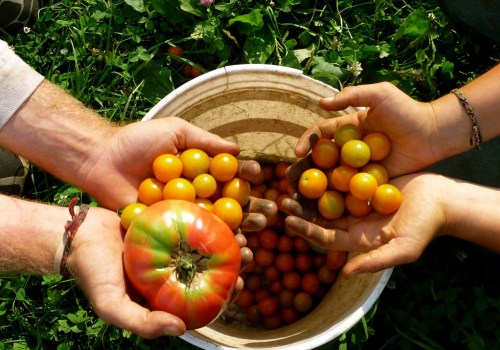
Organic farming is a holistic approach to agriculture that emphasizes sustainability, biodiversity, and the health of ecosystems. At its core, organic farming is defined by its avoidance of synthetic fertilizers, pesticides, and genetically modified organisms (GMOs). Instead, it relies on natural processes and materials to cultivate crops and raise livestock. This method not only aims to produce food but also seeks to enhance the quality of the environment in which it operates.The principles of organic farming are rooted in the understanding that healthy soil leads to healthy plants and animals.
Farmers utilize practices such as crop rotation , composting , and cover cropping to maintain soil fertility and structure. These practices help to prevent soil erosion, improve water retention, and promote a diverse ecosystem of microorganisms that are essential for nutrient cycling. Additionally, organic farmers often implement integrated pest management (IPM) strategies that focus on natural pest control methods rather than chemical interventions.One of the most significant aspects of organic farming is its commitment to biodiversity. By fostering a variety of crops and livestock breeds, organic farms can create resilient agricultural systems that are better equipped to withstand pests, diseases, and climate fluctuations.
This diversity not only benefits the farm itself but also contributes to the overall health of the surrounding environment. Furthermore, organic farming practices can enhance local wildlife habitats, promoting a balanced ecosystem.Despite its many benefits, misconceptions about organic farming persist. Some people believe that all organic products are inherently healthier or more nutritious than their conventional counterparts. While organic foods are free from synthetic chemicals, research has shown that there may not be significant nutritional differences between organic and conventional produce.
Understanding these nuances is essential for consumers who wish to make informed choices about their food sources.
The Benefits of Organic Farming
Organic farming offers a multitude of benefits that extend beyond just the production of food. These advantages are crucial for understanding why many advocate for organic practices in agriculture. Below are some of the key benefits associated with organic farming:- Environmental Sustainability: One of the most significant advantages of organic farming is its commitment to environmental sustainability. By avoiding synthetic fertilizers and pesticides, organic farms reduce the risk of soil and water contamination.
This practice helps maintain the natural ecosystem, promoting a healthier environment for both wildlife and humans.
- Biodiversity: Organic farms often support greater biodiversity compared to conventional farms. The use of crop rotation, cover crops, and diverse planting strategies encourages a variety of species to thrive. This biodiversity is essential for pest control, pollination, and overall ecosystem health.
- Soil Health: Healthy soil is the foundation of successful agriculture. Organic farming practices enhance soil quality by increasing organic matter and promoting beneficial microbial activity.
Techniques such as composting and reduced tillage help maintain soil structure and fertility, leading to more resilient crops.
- Reduced Chemical Exposure: By eliminating synthetic chemicals, organic farming minimizes the exposure of farm workers and consumers to potentially harmful substances. This reduction in chemical use contributes to safer food production and consumption.
- Carbon Sequestration: Organic farming practices can contribute to carbon sequestration, which helps mitigate climate change. By enhancing soil health and promoting plant growth, organic farms can capture carbon dioxide from the atmosphere, storing it in the soil.
As we continue to face challenges related to food production and environmental degradation, understanding these advantages becomes increasingly important for fostering a sustainable future.
Common Myths About Organic Farming
Organic farming is often surrounded by a cloud of myths and misconceptions that can distort public perception. Understanding these myths is crucial for making informed choices about food and agriculture. Here, we will debunk some of the most prevalent myths about organic farming.Myth 1: Organic Food is Always Healthier
One of the most common beliefs is that organic food is inherently healthier than its conventional counterparts. While organic farming avoids synthetic pesticides and fertilizers, studies have shown that there are no significant nutritional differences between organic and conventional produce.
For instance, a comprehensive review published in the Annals of Internal Medicine found that organic foods do not offer substantial health benefits over conventional foods. This does not mean that organic food lacks value; rather, it highlights the importance of a balanced diet regardless of farming methods.
Myth 2: Organic Farms are Completely Pesticide-Free
Another widespread misconception is that organic farms do not use any pesticides at all. In reality, organic farming employs natural pesticides derived from plants or minerals. While these substances are generally considered safer for human health and the environment, they can still pose risks if misused.
For example, substances like copper sulfate, commonly used in organic farming, can be toxic in high concentrations. Thus, while organic farms may use fewer synthetic chemicals, they are not entirely free from pesticide use.
Myth 3: Organic Farming is More Sustainable
Many advocates claim that organic farming is the most sustainable form of agriculture. While it does promote biodiversity and soil health through practices like crop rotation and composting, it is essential to recognize that sustainability is multifaceted. Some studies indicate that organic farming can yield less produce per acre compared to conventional methods, which may lead to increased land use and resource consumption overall.
Therefore, while organic practices can contribute to sustainability, they are not a panacea for all agricultural challenges.
Myth 4: Organic Farming Can Feed the World
The idea that organic farming alone can solve global hunger issues is another myth worth addressing. While organic methods can enhance local food systems and improve food quality, they typically produce lower yields than conventional farming. This means that relying solely on organic agriculture could exacerbate food shortages in regions already struggling with hunger. A balanced approach that incorporates both organic and conventional practices may be necessary to meet global food demands sustainably.In conclusion, while organic farming has its merits, it is essential to approach it with a critical eye.
By debunking these myths, we can foster a more nuanced understanding of what organic farming entails and its role in our food systems.
The Environmental Impact of Organic Farming
The environmental impact of organic farming is a multifaceted topic that warrants careful examination. While organic farms are often lauded for their sustainable practices, it is essential to analyze the actual effects they have on our environment compared to conventional farming methods.One of the primary advantages of organic farming is its reduced reliance on synthetic inputs. Organic farms typically utilize natural fertilizers and pest control methods, which can lead to lower levels of pollution. For instance, the absence of synthetic fertilizers means that there is less risk of nutrient runoff into nearby water bodies, which can cause harmful algal blooms and degrade aquatic ecosystems.However, it is crucial to note that organic farming is not without its challenges.Studies have shown that while organic practices can reduce certain types of pollution, they may also contribute to other environmental issues. For example, organic farms often require more land to produce the same amount of food as conventional farms due to lower yields. This increased land use can lead to habitat destruction and biodiversity loss if not managed properly.
Energy Consumption and Greenhouse Gas Emissions
When it comes to energy consumption, organic farming generally uses less energy than conventional agriculture. A study by the Swedish Food Agency indicated that organic farming consumes approximately 30% less energy overall.This reduction is primarily due to the avoidance of synthetic fertilizers and pesticides, which are energy-intensive to produce.However, the relationship between organic farming and greenhouse gas emissions is more complex. While organic practices can lead to lower emissions from fertilizer production, they may also result in higher emissions from soil management practices. For instance, tilling organic fields can release stored carbon dioxide back into the atmosphere, potentially offsetting some of the benefits gained from reduced synthetic input usage.
Sustainability Considerations
The sustainability of organic agriculture extends beyond just pollution and emissions; it also encompasses soil health and biodiversity. Organic farms often employ crop rotation and cover cropping techniques that enhance soil structure and fertility over time.These practices can improve water retention and reduce erosion, contributing positively to long-term agricultural sustainability.Moreover, organic farming promotes biodiversity by encouraging a variety of crops and natural pest predators. This diversity can create more resilient ecosystems capable of withstanding pests and diseases without heavy reliance on chemical interventions.In conclusion, while organic farming presents several environmental benefits, it is not a panacea for all agricultural challenges. Understanding its impact requires a nuanced approach that considers both its advantages and limitations in terms of sustainability, pollution reduction, and overall ecological health.
Nutritional Value: Organic vs Conventional Foods
When it comes to the nutritional value of food, the debate between organic and conventional options is often at the forefront of consumer concerns. Many people believe that choosing organic foods guarantees superior health benefits, but the reality is more nuanced.Research has shown that while organic farming practices avoid synthetic pesticides and fertilizers, this does not automatically translate to a significant difference in nutritional content.A comprehensive review published in the journal Critical Reviews in Food Science and Nutrition analyzed numerous studies comparing the nutritional profiles of organic and conventional foods. The findings indicated that there are minimal differences in nutrient levels between the two categories. For instance, both organic and conventional fruits and vegetables provide essential vitamins and minerals necessary for a balanced diet.However, some studies suggest that organic produce may have slightly higher levels of certain antioxidants. Antioxidants are compounds that help combat oxidative stress in the body, potentially reducing the risk of chronic diseases.
This increase is often attributed to the stress that organic plants experience due to the absence of synthetic fertilizers, which can lead to enhanced phytochemical production.
Health Benefits: Are Organic Foods Healthier?
The question of whether organic foods are healthier extends beyond just their nutritional content. While organic foods are less likely to contain pesticide residues, it is essential to note that both organic and conventional foods must meet safety standards set by regulatory agencies. The absence of synthetic chemicals in organic farming does contribute to a lower risk of exposure to harmful substances.Moreover, some consumers choose organic foods for ethical reasons, such as animal welfare and environmental sustainability. Organic farming practices often promote biodiversity and soil health, which can have long-term benefits for our ecosystem.In conclusion, while there may be slight advantages in terms of antioxidant levels in organic foods, the overall nutritional differences between organic and conventional options are not as pronounced as many believe.Ultimately, a balanced diet rich in fruits, vegetables, whole grains, and lean proteins—regardless of their farming method—is crucial for maintaining good health.
Challenges Faced by Organic Farmers
Organic farming, while celebrated for its environmental benefits and commitment to sustainability, presents a unique set of challenges that can complicate the lives of those who choose this path. Understanding these challenges is crucial for anyone interested in the realities of organic agriculture.One of the most significant hurdles faced by organic farmers is lower crop yields. Research indicates that organic crops typically yield about 35% less than their conventional counterparts. This discrepancy arises from the reliance on natural fertilizers and pest control methods, which, while environmentally friendly, often do not match the efficiency of synthetic alternatives.Consequently, organic farmers must cultivate larger areas to produce the same amount of food, leading to increased land use and resource consumption.In addition to lower yields, organic farmers often encounter higher labor costs. The methods employed in organic farming—such as hand weeding, crop rotation, and composting—require significantly more manual labor compared to conventional farming practices that utilize machinery and chemical inputs. This increased labor demand can strain financial resources, particularly for small-scale farmers who may already be operating on tight margins.Moreover, organic farmers face challenges related to market access. While consumer demand for organic products is on the rise, navigating the certification process can be daunting.
Obtaining organic certification involves rigorous standards and inspections that can be time-consuming and costly. Farmers must also contend with fluctuating market prices and competition from larger agricultural operations that may have more resources at their disposal.Another challenge is pest and disease management. Organic farmers cannot rely on synthetic pesticides or herbicides, which means they must develop alternative strategies to protect their crops. This often involves a combination of cultural practices, biological controls, and resistant crop varieties.
However, these methods can be less predictable and may require ongoing research and adaptation.Lastly, climate change poses an overarching threat to all forms of agriculture, including organic farming. Organic systems may be more vulnerable to extreme weather events such as droughts or floods due to their reliance on natural processes. Farmers must continuously adapt their practices to mitigate these risks while striving to maintain soil health and biodiversity.In summary, while organic farming offers numerous benefits for the environment and public health, it is not without its challenges. Lower yields, higher labor costs, market access issues, pest management difficulties, and climate change all contribute to a complex landscape that organic farmers must navigate.
Acknowledging these challenges is essential for fostering a realistic understanding of the organic farming industry.
The Future of Organic Farming
The landscape of organic farming is poised for significant transformation as we look toward the future. With increasing consumer demand for sustainable and healthy food options, the organic sector is expected to grow substantially. This growth will be driven by several key trends and innovations that are reshaping how organic farms operate.1.Technological Advancements
- Precision Agriculture: The integration of technology such as drones, sensors, and data analytics is revolutionizing organic farming. These tools allow farmers to monitor crop health, soil conditions, and pest populations in real-time, enabling more efficient resource use and better decision-making.
- Biotechnology: While traditional organic practices avoid synthetic inputs, advancements in biotechnology can offer organic farmers new methods for pest control and disease resistance without compromising their principles.
Innovations like CRISPR gene editing may provide solutions that align with organic standards.
2.Sustainable Practices
- Regenerative Agriculture: This holistic approach goes beyond organic farming by focusing on restoring soil health and biodiversity. Techniques such as cover cropping, agroforestry, and holistic grazing are gaining traction among organic farmers looking to enhance their sustainability efforts.
- Circular Economy: The future of organic farming will likely see a shift towards a circular economy model, where waste is minimized, and resources are reused. This could involve composting organic waste from farms to enrich soil or utilizing by-products from one crop as inputs for another.
3.Consumer Engagement
- Transparency and Traceability: As consumers become more conscious of where their food comes from, organic farms will need to enhance transparency in their supply chains. Blockchain technology could play a crucial role in providing traceability from farm to table.
- Community Supported Agriculture (CSA): The CSA model is expected to grow, allowing consumers to buy shares of a farm's harvest in advance.
This not only supports local farmers but also fosters a stronger connection between consumers and their food sources.
Conclusion: The Balanced Perspective on Organic Farming
In conclusion, the discourse surrounding organic farming is multifaceted and requires a nuanced understanding. Throughout this article, we have explored various aspects of organic agriculture, highlighting both its merits and limitations. It is essential to recognize that while organic farming presents certain advantages, it is not a panacea for all agricultural challenges.One of the primary benefits of organic farming is its commitment to sustainability.By avoiding synthetic fertilizers and pesticides, organic farms contribute to improved soil health and reduced environmental pollution. This approach fosters biodiversity, which is crucial for resilient ecosystems. However, as we discussed, the lower yields associated with organic practices can lead to increased resource use per unit of food produced, raising questions about its overall sustainability in feeding a growing global population.Moreover, the notion that organic foods are inherently healthier than their conventional counterparts is a common misconception. While they are free from synthetic chemicals, studies indicate that there are no significant nutritional differences between organic and conventional produce.
Additionally, some organic pesticides can be just as harmful as their synthetic alternatives, underscoring the need for careful evaluation of all agricultural practices.As consumers and advocates for sustainable agriculture, it is vital to approach organic farming with a balanced perspective. We should celebrate its contributions to environmental health while also acknowledging its limitations. Supporting diverse agricultural methods—including both organic and conventional practices—can lead to more resilient food systems that prioritize sustainability without compromising food security.Ultimately, the future of agriculture lies in our ability to integrate various farming practices that work in harmony with nature. By fostering dialogue and research on the impacts of different agricultural methods, we can make informed choices that benefit both our health and the planet.