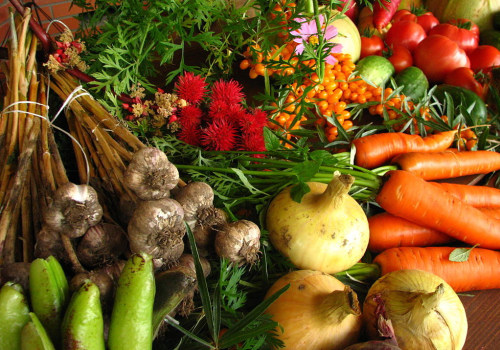
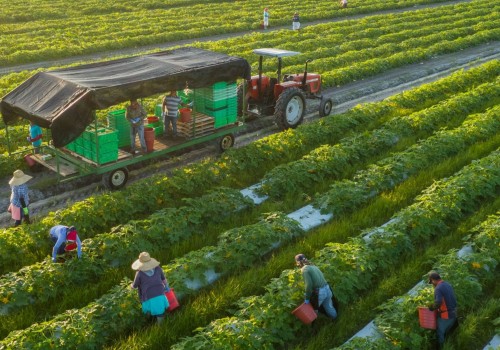
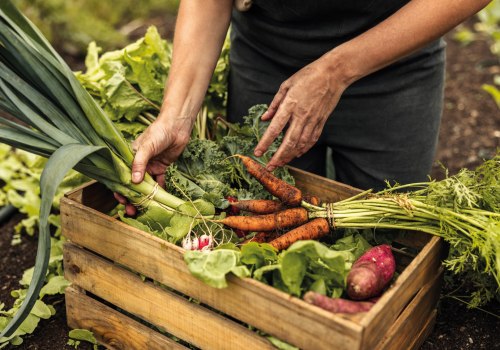
Organic farming represents a holistic approach to agriculture that prioritizes the health of the ecosystem, the soil, and the food produced. At its core, organic farming is defined by its commitment to sustainable practices that avoid synthetic fertilizers, pesticides, and genetically modified organisms (GMOs). Instead, organic farmers utilize natural methods to cultivate crops and raise livestock, fostering a balanced environment that promotes biodiversity and soil health. This method not only enhances the quality of food but also contributes positively to the planet's ecological balance.The significance of organic farming in modern agriculture cannot be overstated.
As consumers become increasingly aware of the environmental and health impacts of conventional farming practices, there is a growing demand for organic products. This shift is driven by a desire for food that is not only nutritious but also produced in a manner that respects nature. Organic farms serve as a model for sustainable agriculture, demonstrating how food can be grown without compromising the environment or human health.One of the primary benefits of organic farming lies in its ability to improve soil fertility and structure. Organic practices such as crop rotation, cover cropping, and composting enrich the soil with organic matter, enhancing its capacity to retain moisture and nutrients.
This leads to healthier plants that are more resilient to pests and diseases. Furthermore, organic farms often employ integrated pest management (IPM) strategies that rely on natural predators and biological controls rather than harmful chemicals. This not only reduces pollution but also supports a diverse range of species within the ecosystem.In addition to environmental benefits, organic farming also offers economic advantages for farmers and communities. By focusing on local markets and direct-to-consumer sales, organic farms can often achieve higher prices for their products.
This economic viability encourages more farmers to adopt organic practices, creating a ripple effect that can transform local economies and promote sustainable food systems. As we delve deeper into the world of organic farming, we will explore its myriad benefits and the innovative practices that make it a cornerstone of sustainable agriculture.
The Environmental Benefits of Organic Farming
Organic farming is not just a method of food production; it represents a holistic approach to agriculture that prioritizes the health of our planet. One of the most significant environmental benefits of organic farming is its positive impact on soil health. Unlike conventional farming, which often relies on synthetic fertilizers and pesticides, organic practices focus on building and maintaining healthy soils through natural means.Techniques such as crop rotation, cover cropping, and composting enrich the soil with organic matter, enhancing its structure and fertility. This leads to improved water retention, reduced erosion, and a greater capacity for carbon sequestration, which is crucial in the fight against climate change.Moreover, organic farming fosters biodiversity , both above and below ground. By avoiding harmful chemicals, organic farms create a more balanced ecosystem that supports a variety of plant and animal species. This biodiversity is essential for pollination, pest control, and overall ecosystem resilience.
For instance, the presence of diverse crops can attract beneficial insects that naturally manage pest populations, reducing the need for chemical interventions. Additionally, organic farms often incorporate hedgerows and wildflower strips that provide habitats for wildlife, further enhancing biodiversity.Another critical aspect of organic farming is its role in reducing pollution. Conventional agricultural practices frequently lead to runoff from fertilizers and pesticides, contaminating nearby water sources and harming aquatic ecosystems. In contrast, organic farms utilize natural pest management strategies and organic fertilizers that minimize this risk.
By implementing practices such as integrated pest management (IPM) and using natural inputs like compost or manure, organic farmers significantly lower their environmental footprint.In summary, the environmental benefits of organic farming are profound and multifaceted. From improving soil health to enhancing biodiversity and reducing pollution, organic practices contribute to a more sustainable agricultural system that not only meets our food needs but also protects our planet for future generations.
Organic Farming Practices: Techniques and Methods
Organic farming is characterized by a variety of techniques and methods that prioritize sustainability and environmental health. These practices not only enhance soil fertility but also promote biodiversity and resilience in agricultural systems. Below are some of the key organic farming techniques that contribute to these goals.- Crop Rotation: This method involves alternating the types of crops grown in a particular area across seasons.
By rotating crops, farmers can disrupt pest and disease cycles, improve soil structure, and enhance nutrient availability. For instance, planting legumes after cereal crops can replenish nitrogen levels in the soil, reducing the need for synthetic fertilizers.
- Composting: Composting is the process of recycling organic matter, such as food scraps and plant debris, into a rich soil amendment. This practice not only reduces waste but also enriches the soil with essential nutrients and beneficial microorganisms. Compost improves soil structure, enhances moisture retention, and promotes healthy plant growth.
- Natural Pest Control: Organic farmers utilize various methods to manage pests without resorting to synthetic pesticides.
Techniques such as introducing beneficial insects (like ladybugs), using insecticidal soaps, and employing companion planting can effectively control pest populations while maintaining ecological balance.
- Cover Cropping: Planting cover crops during off-seasons helps prevent soil erosion, suppress weeds, and improve soil health. Cover crops like clover or rye can enhance soil organic matter and provide habitat for beneficial organisms.
- Mulching: Applying organic materials such as straw or wood chips on the soil surface helps retain moisture, suppress weeds, and regulate soil temperature. Mulching also contributes to soil fertility as it decomposes over time.
The Role of Organic Farms in Climate Change Mitigation
As the world grapples with the escalating impacts of climate change, the role of organic farms in mitigating these effects has become increasingly significant.Organic farming practices not only prioritize environmental health but also contribute to climate resilience through effective carbon sequestration and enhanced soil quality.
Carbon Sequestration in Organic Farms
One of the most compelling benefits of organic agriculture is its ability to sequester carbon. Organic farms employ practices such as cover cropping, reduced tillage, and composting, which enhance the soil's organic matter content. This organic matter acts as a sponge, capturing and storing carbon dioxide from the atmosphere. Research indicates that organic soils can store up to 30% more carbon than conventional soils, making them a vital tool in the fight against climate change.Moreover, the use of diverse crop rotations and polycultures in organic farming systems promotes a healthier ecosystem.
These practices not only improve soil structure but also increase biodiversity, which is crucial for maintaining resilient agricultural systems. By fostering a variety of plant species, organic farms can better withstand pests and diseases, reducing the need for chemical interventions that can harm the environment.
Resilience of Organic Agriculture
The resilience of organic agriculture is particularly noteworthy in the face of extreme weather events, which are becoming more frequent due to climate change. Studies have shown that organic farms are better equipped to handle droughts and floods compared to their conventional counterparts. This resilience stems from their focus on building healthy soils that retain moisture and nutrients more effectively.For instance, organic farming practices such as mulching and intercropping help maintain soil moisture during dry spells while preventing erosion during heavy rains.
This adaptability not only protects crops but also supports local ecosystems by reducing runoff and promoting groundwater recharge.In conclusion, organic farms play a crucial role in climate change mitigation through their capacity for carbon sequestration and their inherent resilience to environmental stressors. By prioritizing sustainable practices that enhance soil health and biodiversity, organic agriculture offers a promising pathway toward a more sustainable future in food production.
Economic Aspects of Organic Farming
The economic landscape of organic farming is rapidly evolving, driven by increasing consumer demand for healthier and more sustainable food options. As awareness of the benefits of organic produce grows, so does the market for these products, presenting significant opportunities for farmers.Market Demand for Organic Products
In recent years, the organic food market has seen exponential growth. According to the Organic Trade Association, sales of organic products in the United States reached over $60 billion in 2021, marking a substantial increase from previous years.
This surge in demand is largely attributed to consumers' growing concerns about health, environmental sustainability, and food safety. As a result, organic farms are not only able to sell their products at premium prices but also enjoy a loyal customer base that values quality over quantity.
Pricing Strategies
While the cost of organic produce is generally higher than that of conventional products, this price difference can be justified by several factors:
- Higher Production Costs: Organic farming often requires more labor-intensive practices and natural inputs, which can lead to increased production costs.
- Certification Expenses: Obtaining organic certification involves fees and compliance with strict regulations, adding to the overall cost structure.
- Market Positioning: Organic products are marketed as premium goods, allowing farmers to set higher prices that reflect their quality and sustainability.
Potential Profitability for Farmers
Despite the higher costs associated with organic farming, many farmers find that the potential for profitability is significant. Studies have shown that organic farms can yield higher profits per acre compared to conventional farms due to the premium prices they can command. Additionally, as more consumers shift towards organic diets, farmers who invest in organic practices are likely to benefit from long-term market trends.Moreover, government incentives and grants aimed at promoting sustainable agriculture can further enhance profitability for organic farmers.
These financial supports can help offset initial investments in transitioning from conventional to organic practices.In conclusion, while there are challenges associated with organic farming, the economic benefits—including strong market demand, effective pricing strategies, and potential profitability—make it an attractive option for many farmers looking to contribute to a sustainable future while also securing their financial well-being.
Challenges Facing Organic Farmers
While the benefits of organic farming are numerous, it is essential to acknowledge the challenges that organic farmers encounter. These challenges can significantly impact their operations and the overall viability of organic agriculture as a sustainable alternative to conventional farming.Land Use Requirements
One of the most pressing issues facing organic farmers is the requirement for more land to produce the same amount of food as conventional farms. According to research, organic farming can require up to 35% more land due to lower yields. This increased land use can lead to competition for agricultural space, particularly in regions where arable land is limited.As urbanization continues to encroach on farmland, this challenge becomes even more pronounced.
Lower Yields
Another significant limitation of organic agriculture is its generally lower yields compared to conventional methods. Studies indicate that organic crops can yield approximately 20-40% less than their non-organic counterparts under similar conditions. This discrepancy can be attributed to several factors, including pest management challenges and nutrient availability. While organic practices aim to enhance soil health and biodiversity, they often require more time and effort to achieve optimal productivity.Economic Viability
The economic viability of organic farming is also a concern.The costs associated with transitioning from conventional to organic practices can be substantial. Farmers may face initial financial burdens due to the need for certification, investment in organic inputs, and potential loss of income during the transition period. Additionally, while consumers are increasingly interested in organic products, price sensitivity remains a barrier for many, limiting market access.
Potential Solutions
Despite these challenges, there are potential solutions that can help mitigate the limitations faced by organic farmers:- Agroecological Practices: Implementing agroecological methods can enhance soil fertility and crop resilience, potentially increasing yields over time.
- Research and Development: Investing in research focused on organic farming techniques can lead to innovations that improve productivity and reduce costs.
- Community Support: Building strong local networks among organic farmers can facilitate knowledge sharing and resource pooling, helping to overcome individual challenges.
Consumer Perspectives on Organic Farming
As the demand for organic products continues to rise, understanding consumer attitudes towards organic food becomes increasingly important. Many consumers are drawn to organic farming not only for its environmental benefits but also for the perceived health advantages associated with organic produce.This section explores the motivations behind consumer choices and the implications for health and well-being.One of the primary reasons consumers opt for organic food is the belief that it is healthier than conventionally grown alternatives. Studies have shown that organic fruits and vegetables often contain higher levels of certain nutrients, including antioxidants, which are essential for combating oxidative stress in the body. Additionally, organic farming practices typically avoid synthetic pesticides and fertilizers, leading many consumers to feel more confident about the safety of their food.
Health Impacts of Organic Produce
Research indicates that consuming organic produce may have several health benefits. For instance, a study published in the British Journal of Nutrition found that organic crops had significantly higher concentrations of beneficial antioxidants compared to their non-organic counterparts.These antioxidants play a crucial role in reducing inflammation and lowering the risk of chronic diseases such as heart disease and cancer.Moreover, many consumers believe that organic foods are less likely to contain harmful residues from pesticides or antibiotics, which can be prevalent in conventional farming. This perception is particularly strong among parents who are concerned about their children's health. The idea that organic foods are free from these chemicals contributes to a growing preference for organic options in households across the United States.These antioxidants play a crucial role in reducing inflammation and lowering the risk of chronic diseases such as heart disease and cancer.Moreover, many consumers believe that organic foods are less likely to contain harmful residues from pesticides or antibiotics, which can be prevalent in conventional farming. This perception is particularly strong among parents who are concerned about their children's health. The idea that organic foods are free from these chemicals contributes to a growing preference for organic options in households across the United States.
Consumer Motivations
Beyond health considerations, consumers are also motivated by ethical concerns related to animal welfare and environmental sustainability. Many individuals choose organic products because they align with their values regarding humane treatment of animals and sustainable agricultural practices.Organic farms often prioritize animal welfare by providing animals with access to outdoor spaces and natural diets, which resonates with ethically-minded consumers.Furthermore, purchasing organic products can foster a sense of community and support for local farmers. Many consumers appreciate knowing where their food comes from and prefer to buy from local organic farms that practice sustainable methods. This connection not only enhances consumer trust but also promotes a more resilient local economy.In conclusion, consumer perspectives on organic farming are shaped by a combination of health benefits, ethical considerations, and a desire to support sustainable practices. As awareness of these factors continues to grow, it is likely that the demand for organic products will remain strong, influencing both market trends and agricultural practices in the future.
Future Trends in Organic Farming
As we look to the future of organic farming, several key trends and innovations are emerging that promise to reshape the landscape of sustainable agriculture.These developments not only reflect advancements in technology but also a significant shift in consumer behavior and preferences.
Technological Innovations
- Precision Agriculture: The integration of technology such as drones, sensors, and satellite imagery is revolutionizing organic farming. Farmers can now monitor crop health, soil conditions, and moisture levels with unprecedented accuracy. This data-driven approach allows for more efficient resource use, reducing waste and enhancing yields.
- Biotechnology: While traditional organic farming avoids synthetic inputs, biotechnological advancements are paving the way for organic-compatible solutions. Innovations such as CRISPR gene editing can help develop pest-resistant crops without compromising organic standards.
- Automation: Robotics and automation are becoming increasingly prevalent in organic farms.
From planting to harvesting, automated systems can reduce labor costs and increase efficiency, allowing farmers to focus on sustainable practices.
Shifts in Consumer Behavior
Consumer demand for organic products continues to rise, driven by a growing awareness of health and environmental issues. This trend is prompting farmers to adapt their practices to meet the expectations of a more discerning market. Key shifts include:
- Transparency: Today's consumers are more informed than ever and seek transparency in food production. Organic farms that provide clear information about their practices and sourcing will likely gain a competitive edge.
- Local Sourcing: There is a growing preference for locally sourced organic products.
Consumers are increasingly interested in supporting local economies and reducing their carbon footprint by purchasing food that has traveled shorter distances.
- Diverse Offerings: As the market for organic products expands, farmers are diversifying their offerings to include not just fruits and vegetables but also grains, dairy, and even meat products. This diversification helps meet consumer demand while promoting biodiversity on farms.
Sustainable Practices
The future of organic farming will also see an increased emphasis on sustainable practices that go beyond mere certification. Farmers will likely adopt regenerative agriculture techniques that focus on restoring soil health, enhancing biodiversity, and improving water retention. These practices not only contribute to environmental sustainability but also improve the resilience of farming systems against climate change.In conclusion, the future of organic farming is bright, characterized by technological advancements and evolving consumer preferences.
By embracing these trends, organic farmers can continue to lead the way in sustainable agriculture while meeting the demands of a changing world.
Conclusion: The Path Forward for Sustainable Agriculture
As we reflect on the myriad benefits of organic farming, it becomes increasingly clear that this approach is not merely a trend but a vital pathway toward a more sustainable future. The evidence presented throughout this article underscores the significant advantages of organic agriculture, from enhancing soil health to promoting biodiversity and reducing our carbon footprint.One of the most compelling arguments for embracing organic farming lies in its ability to foster resilient ecosystems. By prioritizing natural inputs and sustainable practices, organic farms contribute to healthier soils that can better withstand the challenges posed by climate change. This resilience is crucial as we face unpredictable weather patterns, droughts, and floods that threaten food security worldwide.Moreover, the reduction of synthetic pesticides and fertilizers in organic farming not only benefits the environment but also enhances human health.Consumers are increasingly aware of the potential risks associated with chemical residues in their food, making organic produce a safer choice. As we shift towards a more health-conscious society, the demand for organic products will likely continue to rise.However, transitioning to organic farming is not without its challenges. The need for additional land and resources can be a concern, particularly in regions where agricultural space is limited. Yet, as research indicates, the long-term environmental benefits far outweigh these initial hurdles.
By investing in organic practices now, we can ensure a sustainable food system that nourishes both people and the planet.In conclusion, the path forward for sustainable agriculture is clear: we must embrace organic farming as a cornerstone of our food production systems. By doing so, we not only support healthier ecosystems but also promote a more equitable and resilient agricultural landscape for future generations. It is imperative that policymakers, farmers, and consumers work together to champion organic practices and create an environment where sustainable agriculture can thrive.