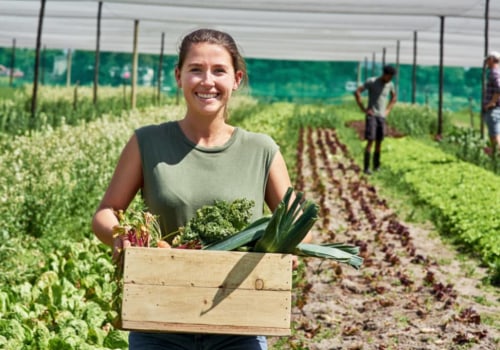
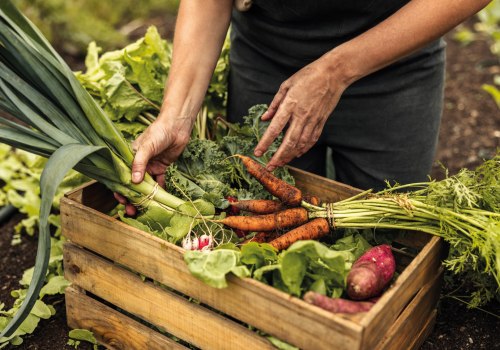
Organic farming is a transformative approach to agriculture that emphasizes the use of natural processes and materials, steering clear of synthetic chemicals and genetically modified organisms (GMOs). At its essence, organic farming is not merely a method of food production; it embodies a philosophy that prioritizes environmental sustainability, biodiversity, and the health of both consumers and ecosystems. By adhering to these principles, organic farmers cultivate crops and raise livestock in ways that are not only ethical but also beneficial for the planet.The significance of organic farming in modern agriculture cannot be overstated. As consumers become increasingly aware of the impact of their food choices on health and the environment, the demand for organic products has surged.
This shift reflects a broader societal trend towards sustainability and wellness, where individuals seek food that is free from harmful chemicals and produced through environmentally friendly practices. Organic farming practices, such as crop rotation, cover cropping, and composting, play a crucial role in enhancing soil health and promoting biodiversity. These methods not only yield high-quality produce but also contribute to the resilience of agricultural systems.Moreover, organic farming offers numerous benefits that extend beyond the farm gate. For instance, it fosters healthier ecosystems by reducing pollution and conserving water resources.
Additionally, organic farms often support local economies by sourcing materials locally and engaging directly with consumers through farmers' markets or community-supported agriculture (CSA) programs. This direct connection between producers and consumers enhances trust and transparency in the food system, allowing consumers to make informed choices about their food sources.In summary, understanding the foundational aspects of organic farming is essential for anyone interested in exploring its profitability potential. By embracing sustainable practices and prioritizing environmental health, organic farmers not only contribute positively to society but also position themselves to thrive in an increasingly competitive market.
The Growing Demand for Organic Products
The demand for organic products has experienced a remarkable surge in recent years, driven by a confluence of health consciousness, environmental awareness, and a growing preference for sustainable agricultural practices. As consumers become increasingly informed about the benefits associated with organic farming, they are opting for organic options over conventional products.This shift in consumer behavior is not just a passing trend; it reflects a fundamental change in how people view food and its impact on health and the environment.According to the Organic Trade Association , sales of organic products in the United States reached an impressive $62 billion in 2020, marking a significant increase from previous years. Projections indicate that the organic market could surpass $100 billion by 2025, underscoring the lucrative potential for those entering the organic farming sector.Several key factors contribute to this growing demand:
- Health Benefits: Many consumers associate organic products with better health outcomes. Research suggests that organic foods may contain higher levels of certain nutrients and lower levels of harmful chemicals, leading to a preference for organic options among health-conscious individuals.
- Environmental Concerns: The environmental impact of conventional farming practices has raised alarms among consumers. Organic farming methods prioritize sustainability, biodiversity, and soil health, appealing to those who wish to support eco-friendly practices.
- Transparency and Trust: Consumers are increasingly seeking transparency in their food sources.
Organic certification provides assurance that products meet specific standards, fostering trust between producers and consumers.
Initial Investment and Costs of Starting an Organic Farm
Starting an organic farm is a rewarding endeavor, but it requires careful financial planning and a clear understanding of the various costs involved.Below, we outline the key components that contribute to the initial investment and ongoing expenses associated with launching an organic farming operation.
1.Land Acquisition
The first significant expense in starting an organic farm is acquiring land. The cost of land can vary dramatically based on location, size, and soil quality. Here are some considerations:- Purchase vs. Lease: Buying land often requires a substantial upfront investment, while leasing can reduce initial costs but may lead to higher long-term expenses.
- Soil Quality: Investing in land with fertile soil can minimize future costs related to fertilizers and amendments, ultimately enhancing productivity.
- Accessibility: Proximity to markets can influence transportation costs and ease of selling your products, making location a critical factor in your decision.
2.Equipment Costs
Unlike conventional farming, which often relies on heavy machinery, organic farming typically utilizes smaller equipment and hand tools.However, these tools still represent a considerable investment:
- Basic Tools: Essential hand tools such as hoes, shovels, and rakes are necessary for daily operations.
- Small Machinery: Tractors or tillers designed for organic farming can be more expensive but are crucial for larger plots.
- Irrigation Systems: Efficient water management systems are vital for maintaining crop health and optimizing yields.
3.Seeds and Livestock
The choice of seeds or livestock is another critical factor in your initial investment. Organic seeds and livestock often come at a premium compared to their conventional counterparts:- Organic Seeds: These seeds are typically more expensive due to the rigorous standards they must meet for certification.
- Livestock Costs: If you plan to raise animals, consider the costs of purchasing organic breeds that meet certification requirements.
4.Labor Expenses
Labor is a significant ongoing cost in organic farming. Organic practices often require more manual labor than conventional methods:- Hiring Help: Depending on the scale of your operation, you may need to hire seasonal or full-time workers to assist with various tasks.
- Your Time: If you plan to work on the farm yourself, factor in the value of your time when calculating expenses.
5.Certification Fees
If you intend to market your products as organic, obtaining certification is essential. This process involves various fees that can add up:- Application Fees: These fees vary based on the certifying agent and the size of your farm.
- Annual Renewal Fees: Maintaining your certification requires annual renewals that also incur costs.
By carefully planning and budgeting for these expenses, you can set yourself up for a successful and sustainable farming operation.
Revenue Streams for Organic Farmers
Organic farmers have a multitude of revenue streams that can significantly enhance their profitability. By diversifying income sources, they can mitigate risks associated with market fluctuations and seasonal variations in crop yields. Below are some of the primary avenues through which organic farmers can generate income:- Direct Sales to Consumers: Selling directly to consumers is one of the most lucrative methods for organic farmers. This can be achieved through on-farm sales, where customers visit the farm to purchase fresh produce, or through community-supported agriculture (CSA) programs.
In a CSA, consumers pay upfront for a share of the harvest, providing farmers with immediate cash flow and a guaranteed market for their products.
- Farmers' Markets: Participating in local farmers' markets allows organic farmers to reach a broader audience. These markets not only provide an opportunity to sell fresh produce but also enable farmers to build relationships with their customers. Engaging directly with consumers fosters brand loyalty and encourages repeat business.
- Wholesale Distribution: Organic farmers can also sell their products wholesale to grocery stores, restaurants, and food co-ops. While wholesale prices are typically lower than retail, this method allows farmers to sell larger quantities of their products at once, which can help stabilize income.
- Online Sales: With the rise of e-commerce, many organic farmers are turning to online platforms to sell their products.
This includes setting up their own websites or utilizing established marketplaces that cater specifically to organic goods. Online sales expand the reach beyond local markets and can attract customers from wider geographical areas.
- Value-Added Products: Creating value-added products such as jams, pickles, or dried herbs can significantly increase profit margins. By processing raw ingredients into finished goods, organic farmers can tap into new markets and offer unique products that stand out in the marketplace.
- Agri-Tourism: Some organic farms diversify their income by incorporating agri-tourism activities. This could include farm tours, workshops on organic farming practices, or hosting events like harvest festivals.
These activities not only generate additional revenue but also promote awareness and appreciation for organic farming.
Profit Margins in Organic Farming vs. Conventional Farming
When comparing the profit margins of organic farming to those of conventional farming, it is essential to consider various factors that influence financial outcomes. While organic farming often entails a higher initial investment, the long-term financial benefits can be substantial, leading to more favorable profit margins over time.Understanding Profit Margins
Profit margin is a critical metric that indicates the percentage of revenue that exceeds production costs.
In organic farming, profit margins can be significantly higher than in conventional farming due to several key factors:
- Market Demand: The demand for organic products has surged in recent years, with consumers increasingly willing to pay a premium for food perceived as healthier and more environmentally friendly. This heightened demand allows organic farmers to set higher prices for their products.
- Premium Pricing: Organic products typically command higher prices than their conventional counterparts. Reports indicate that organic fruits and vegetables can sell for 20% to 100% more than conventional produce, depending on the crop and market conditions.
- Cost Savings Over Time: Although the initial costs of starting an organic farm can be higher due to certification fees and organic seeds, many organic farmers experience lower input costs over time. For instance, they may save on synthetic fertilizers and pesticides, which can lead to reduced overall expenses. Although the initial costs of starting an organic farm can be higher due to certification fees and organic seeds, many organic farmers experience lower input costs over time. For instance, they may save on synthetic fertilizers and pesticides, which can lead to reduced overall expenses.
- Diverse Revenue Streams: Organic farms often diversify their offerings by incorporating value-added products such as jams, sauces, or even agritourism activities.
This diversification can enhance profit margins by tapping into multiple revenue sources.
Comparative Analysis
A comparative analysis of profit margins reveals that while conventional farms may have lower operational costs, they often face tighter profit margins due to fluctuating commodity prices and increased competition. In contrast, organic farmers benefit from a more stable pricing structure driven by consumer loyalty and a growing market.Studies indicate that organic farms can achieve profit margins ranging from 10% to 30%, while conventional farms may see margins between 5% and 15%. This disparity highlights the potential for greater profitability in organic agriculture despite its initial challenges.
The Financial Benefits of Organic Agriculture
In conclusion, while establishing a successful organic farm may involve higher upfront costs and rigorous certification processes, the long-term financial benefits are compelling. With increasing consumer demand and premium pricing opportunities, organic farming presents a viable and potentially lucrative alternative to conventional agricultural practices.
Challenges Faced by Organic Farmers
Organic farming, while offering numerous benefits, also presents a unique set of challenges that farmers must navigate to achieve success.Understanding these challenges is crucial for developing effective strategies that can lead to sustainable and profitable operations.
Pest Management Without Chemicals
One of the most significant hurdles organic farmers face is managing pests and diseases without the use of synthetic chemicals. Unlike conventional farming, which often relies on pesticides for pest control, organic farming requires a more holistic approach. Here are some strategies organic farmers employ:- Crop Rotation: This practice involves changing the types of crops grown in a specific area each season. By rotating crops, farmers can disrupt pest life cycles and reduce the likelihood of infestations.
- Beneficial Insects: Introducing natural predators, such as ladybugs or lacewings, can help keep pest populations in check.
These insects play a vital role in maintaining ecological balance on the farm.
- Physical Barriers: Using row covers or nets can protect crops from pests while still allowing sunlight and moisture to reach them. This method is particularly effective for delicate plants.
- Organic Pesticides: When necessary, organic farmers can use naturally derived pesticides that are less harmful to the environment. However, these should be used judiciously to maintain the integrity of organic practices.
Market Competition
The increasing demand for organic products has led to heightened competition among organic farmers. As more individuals enter the market, distinguishing oneself becomes essential.Organic farmers must consider several factors:
- Differentiation: Developing unique selling propositions (USPs), such as heirloom varieties or specialty crops, can help attract customers and set a farm apart from competitors.
- Branding: Building a strong brand identity through effective marketing strategies is crucial for gaining consumer trust and loyalty. A well-recognized brand can command higher prices and foster repeat business.
- Direct Sales Channels: Engaging in farmers' markets, community-supported agriculture (CSA) programs, and online sales can provide better profit margins than wholesale distribution. These channels allow for direct interaction with consumers and enhance customer relationships.
Financial Risks
The financial landscape for organic farming can be unpredictable. Initial investments are often higher due to certification costs and the need for specialized equipment.Additionally, fluctuations in market prices for organic products can lead to financial instability. Organic farmers must be prepared for:
- Variable Income: Unlike conventional farming, where prices may be more stable, organic product prices can vary significantly based on demand and supply dynamics.
- Investment in Education: Continuous learning about sustainable practices and market trends is necessary to remain competitive in an evolving industry.
Government Support and Incentives for Organic Farming
Organic farming is increasingly recognized not only for its environmental benefits but also for its potential as a sustainable business model. To support this growing sector, various government programs and incentives are available to assist organic farmers in overcoming financial challenges and promoting sustainable agricultural practices.One of the most significant sources of support comes from the United States Department of Agriculture (USDA). The USDA has implemented several initiatives aimed at fostering organic agriculture, which can be crucial for both new and established farmers.Here are some key programs:
- Organic Certification Cost Share Program: This program helps offset the costs associated with obtaining organic certification. Farmers can receive reimbursement for up to 75% of their certification expenses, making it more feasible for them to achieve and maintain organic status.
- Environmental Quality Incentives Program (EQIP): EQIP provides financial assistance to farmers who adopt conservation practices that enhance environmental quality. This includes funding for practices that improve soil health, water conservation, and biodiversity on organic farms.
- Organic Transition Program: This initiative offers support to farmers transitioning from conventional to organic farming. It provides technical assistance and financial resources to help them navigate the complexities of organic certification and sustainable practices.
- Farm Service Agency (FSA) Loans: The FSA offers various loan programs specifically designed for farmers, including those engaged in organic farming.
These loans can help cover costs related to land acquisition, equipment purchases, and operational expenses.
Understanding and utilizing these resources is essential for anyone looking to thrive in the organic farming sector.
Best Practices for Maximizing Profitability in Organic Farming
Maximizing profitability in organic farming requires a strategic approach that balances financial goals with sustainable practices. Here are some best practices that can help organic farmers enhance their profitability while adhering to the principles of organic agriculture.- Embrace Crop Diversity: Implementing a diverse crop rotation system not only improves soil health but also reduces pest and disease pressure. By growing a variety of crops, farmers can tap into different market demands and minimize the risk of total crop failure due to market fluctuations or adverse weather conditions.
- Utilize Organic Inputs Wisely: While organic farming prohibits synthetic fertilizers and pesticides, there are numerous natural alternatives available. Investing in high-quality compost, cover crops, and organic amendments can enhance soil fertility and reduce reliance on external inputs, ultimately lowering production costs.
- Direct Marketing Strategies: Selling directly to consumers through farmers' markets, CSAs, or online platforms can significantly increase profit margins.
By eliminating middlemen, farmers retain a larger share of the retail price. Building strong relationships with customers fosters loyalty and encourages repeat business.
- Value-Added Products: Transforming raw produce into value-added products such as jams, sauces, or dried herbs can open new revenue streams. These products often command higher prices and can attract a broader customer base, enhancing overall profitability.
- Invest in Education and Training: Continuous learning about organic farming techniques, market trends, and consumer preferences is crucial. Participating in workshops, webinars, and agricultural conferences can provide valuable insights that help farmers adapt their practices for better profitability.
- Leverage Technology: Utilizing technology such as precision agriculture tools can optimize resource use and improve crop yields.
Soil sensors, weather monitoring systems, and farm management software can help farmers make informed decisions that enhance productivity and reduce waste.
Conclusion: The Future of Organic Farming Profitability
As we reflect on the journey through the world of organic farming, it becomes evident that this agricultural approach is not merely a trend but a sustainable path with significant profit potential. The insights gathered throughout this article highlight the multifaceted benefits of organic farming, from environmental sustainability to economic viability.One of the most compelling aspects of organic farming is the growing consumer demand for organic products. As health consciousness rises and environmental concerns become more pressing, consumers are increasingly willing to invest in organic options.This shift in consumer behavior not only supports the profitability of organic farms but also fosters a deeper connection between producers and consumers, enhancing brand loyalty and community support.Moreover, the diverse revenue streams available to organic farmers—ranging from direct sales at farmers' markets to value-added products—allow for greater financial stability. By diversifying their offerings, organic farmers can mitigate risks associated with market fluctuations and seasonal variations, ultimately leading to more robust profit margins.However, it is crucial to acknowledge the challenges that accompany this rewarding path. Organic farmers must navigate pest management without synthetic chemicals, face increased competition, and manage financial risks associated with market volatility. Yet, these challenges can be overcome with strategic planning, continuous education, and a commitment to sustainable practices.In conclusion, the future of organic farming profitability looks promising.
With supportive government programs and a growing market for organic products, aspiring farmers have a unique opportunity to enter a field that not only offers financial rewards but also contributes positively to public health and environmental stewardship. Embracing organic farming is not just about cultivating crops; it is about cultivating a sustainable future for generations to come.