Organic farming represents a holistic approach to agriculture that prioritizes sustainability, biodiversity, and the health of ecosystems. At its core, organic farming is defined by its avoidance of synthetic fertilizers, pesticides, and genetically modified organisms (GMOs). Instead, it emphasizes natural processes and materials, such as composting, crop rotation, and biological pest control. This method not only aims to produce food that is free from harmful chemicals but also seeks to enhance soil fertility and promote a balanced ecosystem.The growing interest in organic products can be attributed to a heightened awareness of health and environmental issues among consumers.
Many people are increasingly concerned about the impact of conventional farming practices on their health and the planet. As a result, they are turning to organic farms for produce that is perceived as safer and more nutritious. This shift in consumer behavior has led to a significant rise in the demand for organic products, prompting many farmers to transition from conventional methods to organic practices.However, while the benefits of organic farming are often highlighted—such as improved soil health, reduced chemical runoff, and enhanced biodiversity—there are also complexities that must be considered. The transition to an organic farm can be challenging and costly for farmers.
It requires a deep understanding of ecological principles and often involves a steep learning curve. Additionally, the certification process can be time-consuming and expensive, which may deter some farmers from making the switch.As we delve deeper into the true cost of organic farming, it is essential to recognize both its advantages and the hidden challenges that accompany this sustainable approach. Understanding these factors will provide consumers with a more comprehensive view of what it means to support organic agriculture.
The Benefits of Organic Farming
Organic farming offers a multitude of benefits that extend beyond just the produce itself. Understanding these advantages can help consumers make informed choices about their food sources and encourage a shift towards more sustainable agricultural practices.Environmental Sustainability
One of the most significant benefits of organic farming is its positive impact on the environment.Organic farms prioritize practices that enhance biodiversity and soil health. By avoiding synthetic fertilizers and pesticides, organic farmers reduce chemical runoff into waterways, which can lead to pollution and harm aquatic ecosystems. Instead, they utilize natural methods such as crop rotation, cover cropping, and composting to maintain soil fertility and structure.
- Soil Health: Organic farming improves soil quality by increasing organic matter, which enhances water retention and nutrient availability.
- Biodiversity: Organic farms often support a wider variety of plants and animals, promoting a balanced ecosystem.
- Reduced Carbon Footprint: By minimizing the use of fossil fuel-based inputs, organic farming can contribute to lower greenhouse gas emissions.
Health Advantages
Choosing organic products can also have significant health benefits for consumers. Organic foods are grown without the use of harmful chemicals, which means they are less likely to contain pesticide residues.Studies have suggested that organic produce may have higher levels of certain nutrients, including antioxidants, which are beneficial for overall health.
- Fewer Chemicals: Organic farming practices limit exposure to synthetic pesticides and fertilizers, reducing potential health risks.
- Nutritional Value: Some research indicates that organic foods may offer higher nutritional content compared to conventionally grown counterparts.
- Better Taste: Many consumers report that organic fruits and vegetables taste fresher and more flavorful than non-organic options.
Economic Impacts
The economic implications of organic farming are also noteworthy. While organic products may come with a higher price tag, this cost reflects the labor-intensive practices involved in organic agriculture. Additionally, supporting local organic farms can stimulate local economies by keeping money within the community.- Job Creation: Organic farms often require more labor than conventional farms, leading to increased employment opportunities in rural areas.
- Market Growth: The demand for organic products continues to rise, providing farmers with new market opportunities and potentially higher profit margins.
- Sustainable Practices: Investing in organic farming supports long-term sustainability in agriculture, ensuring food security for future generations.
Hidden Costs of Organic Farming
While the allure of organic farming is undeniable, it is essential to recognize the hidden costs that accompany this method of agriculture.These costs can significantly impact both farmers and consumers, often leading to a higher price tag on organic produce.
Higher Production Costs
One of the primary factors contributing to the hidden costs of organic farming is the increased production expenses. Organic farmers often face higher costs for seeds, fertilizers, and pest control methods. Unlike conventional farming, which can utilize synthetic chemicals and genetically modified organisms (GMOs) to enhance yield and reduce losses, organic farming relies on natural inputs. This reliance can lead to:
- Increased seed costs: Organic seeds are typically more expensive than their conventional counterparts due to the rigorous standards they must meet.
- Natural fertilizers: Organic fertilizers, such as compost and manure, can be costlier and less efficient than synthetic options.
- Pest management: Organic pest control methods often require more labor and time, as they rely on natural predators or organic-approved substances.
Labor Intensity
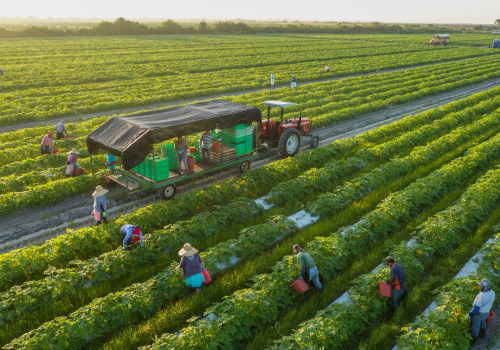
Organic farming is also known for its labor-intensive practices.
Farmers often need to invest more time and effort into maintaining their crops without the aid of chemical herbicides or pesticides. This increased labor can manifest in several ways:
- Manual weeding: Without chemical herbicides, farmers must rely on manual labor or mechanical weeding methods, which can be time-consuming and costly.
- Crop rotation: To maintain soil health and prevent pest infestations, organic farmers frequently rotate their crops, which requires careful planning and additional labor.
- Harvesting: The harvesting process may also be more labor-intensive due to the need for careful handling of organic produce to avoid contamination.
Certification Expenses
The process of obtaining organic certification can be another significant hidden cost for farmers. Certification involves a thorough inspection process that ensures compliance with organic standards set by regulatory bodies. This process includes:
- Application fees: Farmers must pay fees to apply for certification, which can vary based on the certifying agency.
- Annual renewal fees: Once certified, farmers must pay annual fees to maintain their status.
- Record-keeping requirements: Farmers are required to maintain detailed records of their farming practices, which can necessitate additional administrative work.
While consumers may be drawn to the perceived benefits of organic produce, understanding these hidden costs is crucial for making informed purchasing decisions.
Economic Implications for Farmers
Choosing to operate an organic farm can be a double-edged sword for many farmers. While the allure of premium prices and a growing consumer base is enticing, the economic implications are complex and often fraught with challenges.One of the primary financial realities faced by organic farmers is the initial investment. Transitioning from conventional to organic farming typically requires significant upfront costs. These may include expenses for organic seeds, soil amendments, and certification fees.Farmers must also invest in training and education to understand organic practices, which can further strain their finances.Despite these challenges, many farmers are drawn to the potential for higher profitability. Organic products often command higher prices in the market, which can lead to increased revenue. However, this profitability is not guaranteed. The profit margins for organic farms can vary widely based on factors such as crop type, market demand, and local competition.Market access is another critical factor influencing the economic viability of organic farming.
While there is a growing demand for organic produce, farmers may face barriers in reaching these markets. Establishing relationships with retailers or distributors who prioritize organic products can be time-consuming and may require additional marketing efforts. Furthermore, farmers must navigate the complexities of organic certification, which can be a lengthy and costly process.The financial risks associated with organic farming are also significant. Weather events, pest infestations, and fluctuating market prices can all impact a farmer's bottom line.
Unlike conventional farming, where chemical inputs can mitigate some risks, organic farmers often have fewer options for pest control and crop protection. This reliance on natural methods can lead to lower yields in adverse conditions, further complicating their financial stability.In conclusion, while the dream of running a successful organic farm is appealing, it comes with its own set of economic challenges. Farmers must weigh the potential for higher profits against the realities of initial investments, market access hurdles, and inherent risks. Understanding these factors is crucial for anyone considering a shift to organic farming.
Consumer Perceptions and Market Trends
Consumer perceptions play a pivotal role in shaping the market for organic products.As awareness of health and environmental issues grows, more consumers are gravitating towards organic farming. This shift is not merely a trend; it reflects a deeper understanding of the implications of food choices on personal health and the planet.One significant factor influencing consumer behavior is the perception of health benefits associated with organic food. Many consumers believe that organic products are healthier, containing fewer pesticides and chemicals. This belief is supported by various studies indicating that organic farming practices can lead to higher nutrient levels in produce.
As a result, consumers are willing to pay a premium for organic items, driving demand in the marketplace.Moreover, the rise of social media and digital marketing has amplified consumer awareness regarding organic farming. Platforms like Instagram and Facebook allow brands to showcase their organic offerings, share success stories, and educate consumers about the benefits of choosing organic. This visibility has fostered a community of health-conscious individuals who prioritize sustainability and ethical consumption.In addition to health perceptions, environmental concerns significantly impact consumer choices. Many shoppers are increasingly aware of the ecological footprint associated with conventional farming practices, such as soil degradation and water pollution.
Organic farming, which emphasizes sustainable practices, resonates with consumers who wish to support environmentally friendly methods. This alignment with personal values enhances loyalty to brands that prioritize organic products.Market trends indicate a steady increase in demand for organic products across various sectors, including fruits, vegetables, dairy, and meat. According to recent reports, the organic food market is projected to continue its growth trajectory, driven by both new entrants into the market and established brands expanding their organic lines. Retailers are responding by increasing their organic offerings, making these products more accessible to consumers.However, it is essential to note that while demand for organic products is rising, challenges remain.
Price sensitivity among certain consumer segments can limit broader adoption of organic foods. Many consumers still view organic options as expensive compared to conventional alternatives. Addressing this perception through education about the long-term benefits of investing in organic food could help bridge this gap.In conclusion, understanding consumer perceptions and market trends is crucial for stakeholders in the organic farming sector. As more individuals prioritize health and sustainability in their purchasing decisions, the demand for organic products will likely continue to grow.
By aligning marketing strategies with these evolving consumer values, businesses can effectively tap into this expanding market.
Environmental Impact of Organic Farming
Organic farming is often lauded for its potential to foster a healthier environment, but it is essential to examine both its benefits and drawbacks to understand its true ecological impact. One of the primary environmental benefits of organic farming is the reduction of synthetic chemical usage. By avoiding pesticides and fertilizers that can leach into waterways, organic farms help maintain cleaner water sources and promote biodiversity in surrounding ecosystems.Moreover, organic farming practices typically emphasize crop rotation and polyculture, which can enhance soil health. These methods not only improve soil structure but also increase its organic matter content, leading to better water retention and reduced erosion.Healthy soils are crucial for sustainable agriculture as they support plant growth and contribute to carbon sequestration, helping mitigate climate change.However, the environmental impact of organic farms is not entirely positive. For instance, organic farming often requires more land to produce the same yield as conventional farming due to lower productivity levels. This can lead to deforestation or habitat destruction if new land is cleared for organic cultivation. Additionally, the reliance on organic fertilizers, such as manure, can pose risks if not managed properly.
Over-application can lead to nutrient runoff, which may still contribute to water pollution.Another aspect to consider is the carbon footprint associated with transportation. Organic products often travel longer distances to reach consumers, especially if they are imported from regions where organic farming is more prevalent. This increased transportation can negate some of the environmental benefits gained from organic practices.In conclusion, while organic farming offers significant environmental advantages such as reduced chemical use and improved soil health, it also presents challenges that must be addressed. Sustainable practices within organic agriculture are crucial for minimizing negative impacts and ensuring that these farms contribute positively to our ecosystems.
Regulatory Challenges and Certification Costs
Organic farming is not just a method of cultivation; it is also a complex system governed by a myriad of regulations and standards.The organic certification process is essential for farmers who wish to market their products as organic, but it comes with its own set of challenges and costs.To begin with, the certification process requires farmers to adhere to strict guidelines set forth by the United States Department of Agriculture (USDA) and other certifying bodies. These guidelines dictate everything from soil management practices to pest control methods. Farmers must maintain detailed records of their farming practices, inputs, and outputs, which can be time-consuming and labor-intensive.
Regulatory challenges
in organic farming can vary significantly depending on the state and local laws. For instance, some regions may have additional requirements that go beyond federal standards, creating a patchwork of regulations that farmers must navigate.
This can lead to confusion and potential non-compliance, which can jeopardize a farm's organic status.Moreover, the costs associated with obtaining and maintaining organic certification can be substantial. Farmers often face initial certification fees that can range from a few hundred to several thousand dollars, depending on the size of the operation and the certifying agency. In addition to these fees, there are ongoing costs related to annual inspections and recertification processes. These inspections ensure that farmers continue to meet organic standards, but they also require time and resources that could otherwise be spent on production.Furthermore, many farmers find themselves investing in organic inputs, such as natural fertilizers and pest control solutions, which can be more expensive than conventional alternatives.
This adds another layer of financial strain, particularly for small-scale farmers who may already be operating on tight margins.In conclusion, while the allure of organic farming is strong due to its environmental benefits and consumer demand, the regulatory landscape presents significant hurdles. Understanding these regulatory challenges and the associated costs is crucial for both farmers considering this path and consumers seeking authentic organic products. By being aware of these factors, stakeholders can make more informed decisions in the organic marketplace.
Future of Organic Farming: Trends and Innovations
The landscape of organic farming is continuously evolving, driven by a combination of consumer demand, technological advancements, and a growing awareness of environmental sustainability. As we look to the future, several key trends and innovations are poised to reshape the industry.1.Precision Agriculture
One of the most significant advancements in organic farming is the adoption of precision agriculture techniques.This approach utilizes technology such as GPS, drones, and soil sensors to monitor crop health and optimize resource use. By applying inputs like water and fertilizers more efficiently, farmers can reduce waste and lower costs while maintaining high yields.
2.Regenerative Agriculture
Regenerative agriculture is gaining traction as a holistic approach that goes beyond sustainability. It focuses on restoring soil health, increasing biodiversity, and improving ecosystem services. Practices such as cover cropping, crop rotation, and agroforestry not only enhance soil fertility but also sequester carbon, making them attractive options for organic farmers looking to mitigate climate change impacts.3.Biopesticides and Biofertilizers
The development of biopesticides and biofertilizers represents a significant innovation in organic farming.These natural alternatives to synthetic chemicals help control pests and enhance soil nutrients without harming beneficial organisms. As research progresses, these products are becoming more effective and accessible, allowing organic farmers to maintain crop health while adhering to organic standards.
4.Vertical Farming
Urbanization has led to a rise in vertical farming, which allows for the cultivation of crops in stacked layers within controlled environments. This method not only maximizes space but also minimizes water usage and transportation costs by bringing food production closer to consumers. As technology advances, vertical farms are increasingly incorporating organic practices, making them a viable option for urban dwellers seeking fresh produce.5.Consumer Education and Transparency
As consumers become more informed about food production practices, there is a growing demand for transparency in the organic sector.Farmers who can effectively communicate their methods and the benefits of their products are likely to gain a competitive edge. Innovations such as blockchain technology are being explored to provide traceability from farm to table, ensuring that consumers can trust the integrity of organic labels.In conclusion, the future of organic farming is bright with potential innovations that promise to enhance sustainability and efficiency. By embracing these trends, farmers can not only improve their practices but also contribute positively to the environment and meet the evolving needs of consumers.
Conclusion: Weighing the True Cost of Organic Farming
In conclusion, the journey through the landscape of organic farming reveals a complex interplay of benefits and costs that consumers must navigate. While the allure of organic products often lies in their perceived health benefits and environmental sustainability, it is crucial to recognize the hidden expenses that accompany this farming method.Throughout this discussion, we have highlighted several key factors that contribute to the true cost of organic farming:- Higher Production Costs: Organic farms typically incur greater expenses due to the need for natural fertilizers, pest control methods, and labor-intensive practices.
These costs are often passed on to consumers in the form of higher prices.
- Yield Variability: Organic farming can result in lower yields compared to conventional methods, particularly in the initial years of transitioning. This variability can affect supply and pricing stability.
- Environmental Impact: While organic farming is often touted for its environmental benefits, it is not without its challenges. Issues such as soil degradation and biodiversity loss can arise if not managed properly.
- Market Demand: The growing demand for organic products has led to increased competition among farmers, which can drive up prices further and create disparities in access for consumers.
It is also important to consider local options, as community-supported agriculture (CSA) programs or local farmers' markets may offer more affordable organic choices.Ultimately, the decision to choose organic should be based on a comprehensive understanding of both its advantages and its costs. By being informed, consumers can support sustainable practices while also making choices that align with their budgets and values.