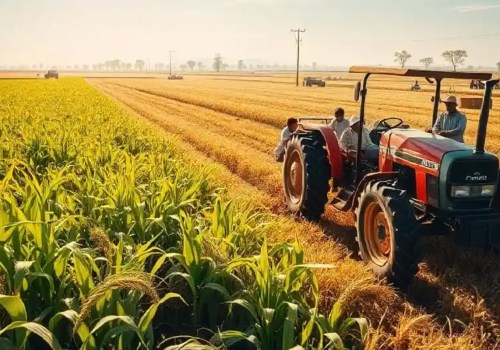
Organic farming represents a holistic approach to agriculture that emphasizes sustainability, biodiversity, and ecological balance. At its core, organic farming is defined by its avoidance of synthetic fertilizers, pesticides, and genetically modified organisms (GMOs). Instead, it relies on natural processes and materials to cultivate crops and raise livestock. This method not only aims to produce food that is healthier for consumers but also seeks to enhance the health of the environment by promoting soil fertility and reducing pollution.The significance of organic farming in modern agriculture cannot be overstated.
As consumers become increasingly aware of the impact of conventional farming practices on their health and the planet, the demand for organic products has surged. This shift is driven by a growing understanding of how agricultural practices affect food quality, environmental sustainability, and animal welfare. Organic farms often prioritize practices such as crop rotation, composting, and the use of cover crops to maintain soil health and reduce dependency on chemical inputs.Moreover, organic farming plays a crucial role in addressing some of the pressing challenges faced by contemporary agriculture. Issues such as soil degradation, loss of biodiversity, and climate change are at the forefront of agricultural discourse.
By adopting organic methods, farmers can contribute to a more resilient food system that not only meets current demands but also safeguards resources for future generations. The benefits of organic farming extend beyond just the food produced; they encompass broader ecological impacts that resonate with consumers who are increasingly seeking sustainable options.In summary, understanding what constitutes an organic farm is essential for appreciating its role in today’s agricultural landscape. As we delve deeper into the benefits and drawbacks of organic farming, it becomes clear that this approach offers a viable alternative to conventional methods, fostering a healthier relationship between humans and the environment.
The Benefits of Organic Farming
Organic farming offers a multitude of benefits that extend beyond just the food on our plates. One of the most significant advantages is the health benefits associated with consuming organic products.Organic foods are grown without the use of synthetic pesticides, herbicides, and fertilizers, which means they are less likely to contain harmful chemical residues. Studies have shown that organic produce often has higher levels of antioxidants and essential nutrients, contributing to better overall health for consumers.Moreover, organic farming practices promote biodiversity. By avoiding chemical inputs, organic farms create a more balanced ecosystem that supports a variety of plant and animal life. This biodiversity is crucial for maintaining soil health and resilience against pests and diseases.
Healthy soil leads to healthier crops, which in turn benefits consumers.Another compelling reason many consumers opt for organic products is the environmental sustainability associated with organic farming. Organic farms typically use crop rotation, cover cropping, and composting to enhance soil fertility and structure. These practices not only reduce soil erosion but also improve water retention, making organic farms more resilient to climate change. Additionally, organic farming reduces pollution by minimizing the runoff of harmful chemicals into waterways.From an economic perspective, while organic farming may require a higher initial investment in terms of labor and resources, it can lead to long-term financial benefits for farmers.
Organic products often command higher prices in the market due to increasing consumer demand for healthier and environmentally friendly options. This premium can help offset the costs associated with organic certification and sustainable practices.Furthermore, organic farming can foster stronger community ties. Many organic farms engage in direct-to-consumer sales through farmers' markets or community-supported agriculture (CSA) programs. This not only provides consumers with fresh produce but also strengthens local economies by keeping money within the community.In summary, the benefits of organic farming are extensive and multifaceted.
From improved health outcomes for consumers to enhanced environmental sustainability and economic viability for farmers, choosing organic products is a decision that resonates with many individuals who prioritize their health and the planet's well-being.
Health Benefits of Organic Products
One of the most compelling reasons consumers gravitate towards organic products is the health benefits associated with them. Organic farming practices prioritize the use of natural methods, which significantly reduces the exposure to synthetic pesticides and fertilizers. This shift not only benefits the environment but also has profound implications for human health.Pesticide-Free Food Advantages
- Organic foods are cultivated without the use of synthetic pesticides, which have been linked to various health issues, including hormonal disruptions and neurological problems.
- By choosing organic, consumers can minimize their exposure to these harmful chemicals, leading to a healthier lifestyle.
- Research indicates that organic farming methods can lead to lower pesticide residues in food, making it a safer choice for families, especially for children who are more vulnerable to chemical exposure.
Nutritional Value of Organic Produce
Numerous studies have suggested that organic produce may offer superior nutritional value compared to conventionally grown counterparts. For instance:
- Organic fruits and vegetables often contain higher levels of antioxidants, which play a crucial role in combating oxidative stress and reducing inflammation in the body.
- Some research indicates that organic dairy and meat products may have higher omega-3 fatty acid content due to the animals' diets, which are typically richer in grass and forage.
- The absence of synthetic additives in organic foods means that consumers are more likely to receive whole, unprocessed nutrients that contribute positively to overall health.
Impact on Human Health
The health implications of consuming organic products extend beyond just avoiding harmful chemicals.
Studies have shown that individuals who consume organic foods may experience:
- Improved gut health due to the absence of artificial preservatives and additives that can disrupt gut flora.
- A reduced risk of chronic diseases such as obesity, diabetes, and heart disease, potentially linked to a diet rich in organic fruits and vegetables.
- A greater sense of well-being attributed to the consumption of fresh, nutrient-dense foods that support overall vitality.
Environmental Impact of Organic Farming
Organic farming is often lauded for its positive environmental impact , which stems from its commitment to sustainable practices that prioritize the health of ecosystems. One of the most significant benefits of organic farming is its emphasis on soil health.Organic farmers utilize techniques such as crop rotation, cover cropping, and the application of organic matter like compost and manure. These practices not only enhance soil fertility but also improve soil structure and water retention, leading to healthier crops and reduced erosion.Moreover, organic farming minimizes the use of synthetic fertilizers and pesticides, which can lead to soil degradation and water pollution. By avoiding these chemicals, organic farms help maintain the natural balance of soil microorganisms, which are essential for nutrient cycling and plant health. This approach fosters a more resilient agricultural system that can better withstand environmental stresses such as droughts and floods.Another critical aspect of organic farming is its role in promoting biodiversity.
Organic farms often feature a diverse array of crops and livestock, which supports a wider range of species compared to conventional monoculture systems. This diversity not only enhances ecosystem stability but also provides habitats for various wildlife, including pollinators like bees and butterflies. The presence of these beneficial organisms is crucial for maintaining healthy ecosystems and ensuring effective pollination of crops.Furthermore, organic farming practices contribute to the reduction of pollution. By eliminating synthetic chemicals, organic farms reduce the risk of chemical runoff into nearby waterways, which can lead to harmful algal blooms and aquatic dead zones.
This not only protects aquatic life but also ensures cleaner drinking water for surrounding communities.In summary, the environmental benefits of organic farming are multifaceted. From improving soil health and promoting biodiversity to reducing pollution, organic practices offer a sustainable alternative to conventional agriculture. As consumers become more aware of these advantages, the demand for organic products continues to grow, driving a shift towards more environmentally friendly farming methods.
Economic Advantages for Farmers
Organic farming has gained significant traction in recent years, not only for its environmental benefits but also for its economic advantages. Farmers who transition to organic practices often find themselves in a favorable position within the agricultural market.Market Demand for Organic Products
The demand for organic products has surged, driven by a growing consumer awareness of health and environmental issues.
According to the Organic Trade Association, organic food sales in the United States reached over $60 billion in 2021, marking a consistent annual growth rate of approximately 8-10%. This trend indicates that consumers are increasingly willing to pay a premium for organic products, which can translate into higher profit margins for farmers.
Profitability of Organic Farms
While the initial costs of transitioning to organic farming can be high, many farmers report that the long-term profitability outweighs these initial investments. Organic farms often command higher prices for their products compared to conventional farms. For instance, organic fruits and vegetables can sell for 20-50% more than their non-organic counterparts.
This price premium can significantly enhance a farmer's income, especially when combined with lower input costs associated with synthetic fertilizers and pesticides.Moreover, organic farming practices can lead to improved soil health and biodiversity, which may result in better yields over time. Farmers who adopt sustainable practices often find that their land becomes more resilient to pests and diseases, reducing the need for costly interventions.
Access to New Markets
Transitioning to organic farming also opens up new market opportunities. Many retailers and restaurants are actively seeking organic suppliers to meet consumer demand. Farmers can benefit from establishing direct relationships with local markets, community-supported agriculture (CSA) programs, and online platforms that cater specifically to organic produce.
This direct-to-consumer approach not only increases profit margins but also fosters community engagement and loyalty.
Government Support and Incentives
In addition to market demand, various government programs offer financial assistance and incentives for farmers transitioning to organic practices. Programs such as the Environmental Quality Incentives Program (EQIP) provide funding for implementing conservation practices that support organic farming. These resources can help offset the costs associated with certification and transitioning, making it more feasible for farmers to adopt organic methods.In conclusion, while there are challenges associated with transitioning to an organic farm, the economic advantages are compelling. With increasing consumer demand, potential profitability through higher prices, access to new markets, and government support, farmers who embrace organic practices are well-positioned for success in today’s agricultural landscape.
Drawbacks of Organic Farming
While organic farming offers numerous benefits, it is essential to recognize the drawbacks that come with this agricultural approach.Understanding these challenges can help consumers and farmers make informed decisions about their practices and purchases.One of the most significant disadvantages of organic farming is the higher production costs. Organic farmers often face increased expenses due to the need for natural fertilizers, pest control methods, and labor-intensive practices. Unlike conventional farming, which can rely on synthetic chemicals and automated processes, organic farming requires more manual labor and careful management. This can lead to higher prices for organic products, making them less accessible to budget-conscious consumers.Another challenge is the lower yields associated with organic farming compared to conventional methods.
Studies have shown that organic farms typically produce less per acre than their conventional counterparts. This discrepancy can be attributed to several factors, including the limited use of synthetic fertilizers and pesticides, which can enhance crop growth and protect against pests. As a result, organic farmers may struggle to meet the growing demand for organic products while maintaining profitability.Market accessibility also poses a significant hurdle for organic farmers. Many consumers are willing to pay a premium for organic products; however, not all regions have equal access to these goods.
In some areas, organic farms may be few and far between, leading to limited availability in local markets. Additionally, the certification process for organic farming can be lengthy and costly, deterring some farmers from pursuing organic practices altogether.Furthermore, organic farming can be vulnerable to climate variability. Organic crops often rely on natural pest control methods and crop rotation, which may not be as effective in extreme weather conditions or changing climates. This unpredictability can lead to crop failures or reduced harvests, further complicating the economic viability of organic farms.In summary, while organic farming has its merits, it is crucial to acknowledge the disadvantages that accompany this method.
Higher production costs, lower yields, market accessibility issues, and vulnerability to climate change are all factors that can impact the success of organic agriculture. By understanding these challenges, stakeholders can work towards solutions that support both sustainable practices and economic viability.
Cost Considerations in Organic Farming
Transitioning to or maintaining an organic farm involves a variety of financial considerations that can significantly impact both farmers and consumers. Understanding these costs is essential for anyone interested in the organic farming sector.One of the primary factors influencing the cost of organic farming is the initial investment required to convert conventional farmland into organic land. This process often includes:- Soil Preparation: Organic farmers must invest in soil health through practices such as crop rotation, cover cropping, and the application of organic fertilizers like compost or manure.
These methods can be more labor-intensive and time-consuming than conventional practices.
- Certification Costs: Obtaining organic certification can be a lengthy and costly process. Farmers must adhere to strict guidelines set by certifying bodies, which may involve fees for inspections and paperwork.
- Pest and Weed Management: Organic farming relies on natural pest control methods, which can sometimes be less effective than synthetic pesticides. This may lead to increased labor costs as farmers need to monitor crops more closely and implement alternative strategies.
This price disparity raises questions about the affordability of organic food for average consumers.Despite the higher prices, many consumers are willing to pay a premium for organic products due to perceived benefits such as better health outcomes and environmental sustainability. However, this creates a challenge for low-income families who may find it difficult to access these healthier options. To address this issue, some initiatives aim to make organic food more accessible:
- Community Supported Agriculture (CSA): CSAs allow consumers to buy shares of a farm's harvest in advance, often at a lower cost than purchasing individual items at retail prices.
- Subsidies and Grants: Government programs can provide financial assistance to farmers transitioning to organic practices, helping them offset some of the initial costs.
- Local Farmers' Markets: Purchasing directly from local farmers can reduce costs associated with distribution and marketing, making organic products more affordable.
Regulatory Challenges in Organic Certification
The journey to achieving organic certification is often fraught with complexities and regulatory hurdles that can deter many farmers from pursuing this sustainable farming method.Understanding the organic certification process is crucial for anyone considering entering the organic market.In the United States, the National Organic Program (NOP) , overseen by the USDA, sets forth stringent guidelines that must be adhered to in order for a farm to be certified as organic. This includes a comprehensive set of regulations that dictate everything from soil management practices to pest control methods. Farmers must demonstrate that they are using organic practices for a minimum of three years before they can even apply for certification. This lengthy transition period can be a significant barrier, especially for new farmers or those transitioning from conventional farming methods.Once a farmer decides to pursue organic certification, they must navigate several steps:
- Application Submission: Farmers must submit an application detailing their farming practices, including inputs used and crop rotation plans.
- Inspection: An accredited certifying agent conducts an on-site inspection to verify compliance with organic standards.
- Review Process: The certifying agent reviews the inspection report and any additional documentation before making a decision.
- Certification Decision: If approved, the farm receives its organic certification, which must be renewed annually.
One major issue is the cost associated with the certification process. Fees for inspections and paperwork can accumulate quickly, creating financial strain on small farms. Additionally, maintaining compliance with evolving regulations requires ongoing education and adaptation, which can be overwhelming for farmers who are already managing numerous responsibilities.Moreover, there is often confusion surrounding what constitutes organic practices. Some farmers may inadvertently use prohibited substances or methods due to a lack of understanding or misinformation.
This can lead to costly penalties or loss of certification, further complicating their ability to operate sustainably.In conclusion, while the organic certification process is designed to ensure high standards in organic farming, it presents numerous challenges that can hinder farmers' efforts to transition to or maintain organic practices. Addressing these regulatory challenges is essential for fostering a more accessible and supportive environment for organic agriculture.
Consumer Perceptions and Misconceptions about Organic Farming
Consumer perceptions of organic farming are often shaped by a mix of marketing, personal beliefs, and societal trends. Many individuals associate organic products with health benefits, environmental sustainability, and ethical farming practices. However, these perceptions can sometimes be clouded by misconceptions that need to be addressed for a clearer understanding of what organic farming truly entails.Common Misconceptions
- Organic Equals Pesticide-Free: One prevalent misconception is that organic farming means no pesticides are used at all.
In reality, organic farmers do use pesticides, but they are typically derived from natural sources rather than synthetic chemicals. This distinction is crucial as it affects both the safety and effectiveness of pest management strategies.
- Organic Food is Always Healthier: While many consumers believe that organic food is inherently healthier than conventional options, the nutritional differences can be minimal. Studies have shown that the health benefits of organic foods may not be as significant as once thought, leading to debates about whether the higher price tag is justified.
- All Organic Farms Are Small and Local: There is a common belief that all organic farms are small-scale operations focused on local markets. However, many large-scale farms also produce organic products.
This can lead to confusion about the true nature of organic farming and its impact on local economies.
The Role of Public Opinion
Public opinion on organic farming is influenced by various factors, including media coverage, celebrity endorsements, and personal experiences. As consumers become more aware of food sourcing and production methods, their preferences shift towards products they perceive as healthier or more environmentally friendly. This shift has led to a growing demand for organic products in grocery stores and restaurants.However, it is essential for consumers to approach organic labels with a critical eye. Understanding the certification process and what it means can help individuals make informed choices.
For instance, not all products labeled as "natural" meet the same standards as those certified as organic.In conclusion, while consumer perceptions of organic farming are generally positive, it is vital to dispel misconceptions that can lead to misunderstandings about the benefits and practices associated with organic agriculture. By fostering a more informed public discourse around these topics, consumers can make choices that align with their values and health goals.
'Is Organic Farming Worth It?' A Balanced Perspective
As we conclude our exploration of organic farming, it is essential to weigh the benefits against the drawbacks. The question of whether organic farming is worth it is not a straightforward one; it largely depends on individual values, priorities, and circumstances.On one hand, the advantages of organic farming are compelling. Organic products are often perceived as healthier due to their reduced exposure to synthetic pesticides and fertilizers.This can lead to better health outcomes for consumers, particularly for those concerned about chemical residues in their food. Additionally, organic farming practices tend to promote biodiversity and improve soil health, which can have long-term benefits for the environment.Moreover, organic farming supports animal welfare by prohibiting the use of antibiotics and growth hormones in livestock. This not only contributes to healthier animals but also helps mitigate the risk of antibiotic resistance, a growing concern in public health.However, there are notable drawbacks that must be considered. The cost of organic products is typically higher than that of conventionally grown items, which can be a barrier for many consumers.
Furthermore, the yield from organic farms can be lower due to restrictions on synthetic inputs, potentially leading to food supply challenges as global demand continues to rise.Additionally, not all organic farms adhere strictly to ethical practices. Some large-scale operations may prioritize profit over genuine sustainability and animal welfare, which can mislead consumers who are seeking truly ethical products.In summary, the decision on whether organic farming is worth it ultimately lies with the consumer. It is crucial for individuals to reflect on their own values—be it health concerns, environmental impact, or ethical considerations—when making choices about their food sources. By understanding both the pros and cons of organic agriculture, consumers can make informed decisions that align with their personal beliefs and lifestyle.