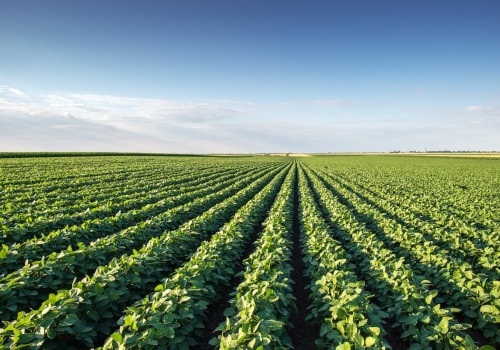
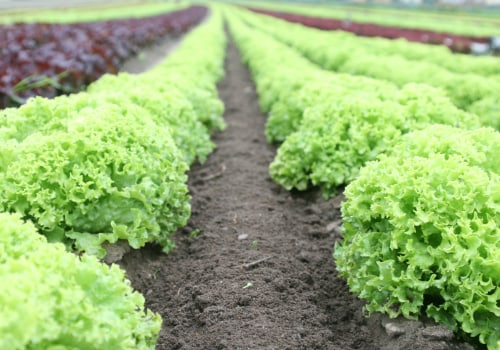
Organic farming is a holistic approach to agriculture that emphasizes the use of natural processes and materials to cultivate crops and raise livestock. At its core, organic farming seeks to create a sustainable ecosystem that not only produces food but also nurtures the environment. This method of farming avoids synthetic fertilizers, pesticides, and genetically modified organisms (GMOs), focusing instead on practices that enhance soil health, promote biodiversity, and reduce pollution. By adhering to these principles, organic farms strive to provide consumers with food that is not only healthier but also produced in a manner that respects the planet.The benefits of organic farming extend far beyond the immediate health advantages associated with consuming organic products.
For instance, organic farming practices contribute significantly to soil fertility through crop rotation, cover cropping, and composting. These methods help maintain the soil's nutrient content and structure, leading to improved water retention and reduced erosion. Additionally, organic farms often utilize integrated pest management techniques that encourage natural predators, reducing the need for chemical interventions and fostering a balanced ecosystem.Moreover, organic farming plays a crucial role in combating climate change. By sequestering carbon in the soil and reducing greenhouse gas emissions associated with synthetic inputs, organic farms can help mitigate the effects of global warming.
This environmentally friendly approach not only benefits farmers and consumers but also supports wildlife habitats and promotes healthier ecosystems.In summary, understanding organic farming is essential for appreciating its myriad benefits. As we delve deeper into this topic, we will explore how these practices not only enhance food quality but also contribute to a more sustainable future for agriculture and our planet.
Healthier Produce and Livestock
One of the most compelling advantages of organic farming is its significant impact on the health of both produce and livestock. By eschewing synthetic pesticides and fertilizers, organic farmers cultivate crops that are not only safer for consumers but also richer in essential nutrients.Health Benefits of Organic Produce
- Higher Nutritional Value: Studies have shown that organic fruits and vegetables often contain higher levels of antioxidants, vitamins, and minerals compared to their conventionally grown counterparts. This is largely due to the natural farming practices that enhance soil health and biodiversity.
- Reduced Chemical Residues: Organic farming eliminates the use of harmful chemicals, which means that consumers can enjoy produce without worrying about pesticide residues.
This is particularly important for vulnerable populations such as children and pregnant women.
- Better Taste: Many consumers report that organic produce tastes better than non-organic options. This enhanced flavor can be attributed to the natural growing conditions and the absence of artificial ripening agents.
Livestock Health in Organic Farming
The benefits of organic farming extend beyond crops to livestock as well. Organic livestock are raised in environments that prioritize their well-being, which translates into healthier animals and better-quality products.
- Natural Diet: Organic livestock are fed a diet free from genetically modified organisms (GMOs) and synthetic additives. This natural diet not only supports their health but also results in meat, milk, and eggs that are more nutritious for consumers.
- Improved Animal Welfare: Organic farming practices emphasize humane treatment of animals.
Livestock are given access to outdoor spaces, allowing them to engage in natural behaviors, which reduces stress and promotes overall health.
- Lower Disease Incidence: The absence of antibiotics and growth hormones in organic livestock farming leads to a lower incidence of disease among animals. This not only benefits the animals but also reduces the risk of antibiotic resistance in humans.
Environmental Sustainability
Organic farming is not just a method of producing food; it is a holistic approach that prioritizes the health of our planet. One of the most significant environmental benefits of organic farming lies in its ability to enhance soil health.Unlike conventional farming, which often relies on synthetic fertilizers and pesticides, organic practices focus on building and maintaining healthy soil through natural amendments such as compost, cover crops, and crop rotation. This not only improves soil structure but also increases its organic matter content, leading to better nutrient retention and reduced erosion.Moreover, organic farming promotes water conservation. Healthy soils have a greater capacity to retain moisture, which is crucial in times of drought. By utilizing techniques such as mulching and reduced tillage, organic farmers can minimize water runoff and enhance groundwater recharge.
This sustainable approach ensures that water resources are used efficiently, benefiting both the farm and the surrounding ecosystem.Another critical aspect of organic farming is its positive impact on biodiversity. Organic farms often serve as sanctuaries for various species of plants, insects, and wildlife. By avoiding harmful chemicals, these farms create a safer habitat for pollinators like bees and butterflies, which are essential for crop production. Additionally, the diverse crop rotations practiced in organic farming help to break pest cycles and reduce disease pressure, further supporting a balanced ecosystem.Incorporating sustainable agriculture practices such as agroforestry and permaculture can also enhance the environmental benefits of organic farming.
These methods encourage the integration of trees and shrubs into agricultural landscapes, providing shade, improving soil quality, and creating habitats for wildlife. As a result, organic farms can contribute significantly to carbon sequestration efforts, helping to mitigate climate change.In conclusion, the environmental advantages of organic farming extend far beyond the farm gate. By fostering soil health, conserving water resources, and promoting biodiversity, organic agriculture plays a vital role in creating a sustainable ecosystem that benefits both current and future generations.
Economic Advantages for Farmers
Organic farming is not just a method of cultivation; it represents a significant economic opportunity for farmers willing to embrace its principles. The shift towards organic practices has been driven by a growing consumer demand for healthier, sustainably produced food.This trend has created a robust market for organic products, leading to several economic advantages for farmers.
Market Demand and Consumer Trends
In recent years, the demand for organic products has surged dramatically. According to the Organic Trade Association, organic food sales in the United States reached over $60 billion in 2021, reflecting a consistent annual growth rate of approximately 8-10%. This increasing consumer preference for organic options is fueled by heightened awareness of health issues, environmental concerns, and the desire for transparency in food sourcing.Farmers who transition to organic methods can tap into this lucrative market. Organic products often command higher prices compared to their conventional counterparts.
For instance, organic fruits and vegetables can sell for 20-50% more than non-organic varieties. This price premium can significantly enhance the profitability of an organic farm.
Cost Savings and Sustainability
While the initial transition to organic farming may involve higher costs due to certification processes and potential yield reductions during the first few years, many farmers find that they can reduce long-term expenses through sustainable practices. By utilizing crop rotation, cover cropping, and natural pest management techniques, organic farmers can improve soil health and reduce reliance on expensive chemical inputs.Moreover, organic farms often experience lower input costs over time as they build healthy ecosystems that require fewer external resources. This self-sustaining approach not only enhances profitability but also contributes to environmental conservation.
Access to Niche Markets
Organic farming also opens doors to niche markets that are less saturated than conventional agriculture.
Farmers can explore opportunities such as community-supported agriculture (CSA), farmers' markets, and online sales platforms that cater specifically to consumers seeking organic products. These avenues allow farmers to establish direct relationships with their customers, fostering loyalty and potentially increasing their profit margins.In conclusion, the economic advantages of organic farming are compelling. With rising market demand, potential cost savings through sustainable practices, and access to niche markets, transitioning to an organic farm can be a financially rewarding decision for farmers looking to secure their future in agriculture.
Community Impact and Local Economies
Organic farming extends beyond the fields and into the heart of local communities, fostering a sense of connection and collaboration among residents. By prioritizing sustainable practices, organic farms not only contribute to environmental health but also play a pivotal role in enhancing the social fabric of their surroundings.Job Creation and Economic Growth
One of the most significant impacts of organic farms on local economies is job creation.
These farms often require more labor-intensive practices compared to conventional farming, leading to an increase in employment opportunities. From farmhands to marketing specialists, organic farms create a diverse range of jobs that can help reduce unemployment rates in rural areas.Moreover, organic farms tend to support local businesses by sourcing materials and services from nearby suppliers. This creates a ripple effect within the community, as money spent at local businesses circulates back into the economy, fostering growth and stability.
Strengthening Community Bonds
Organic farms often serve as community hubs where people gather for events such as farmers' markets, workshops, and educational programs. These gatherings not only promote awareness about sustainable practices but also strengthen community ties.
Residents become more engaged with their food sources and develop a deeper appreciation for local agriculture.Additionally, many organic farms implement community-supported agriculture (CSA) programs, allowing consumers to buy shares of the harvest directly from farmers. This model not only provides financial support to farmers but also fosters a sense of ownership and investment among community members.
Promoting Healthier Lifestyles
The social impact of organic agriculture extends to public health as well. By providing access to fresh, chemical-free produce, organic farms contribute to healthier eating habits within the community. This can lead to reduced healthcare costs and improved overall well-being for residents.Furthermore, educational initiatives offered by organic farms can empower individuals with knowledge about nutrition and sustainable practices, encouraging them to make informed choices that benefit both their health and the environment.In conclusion, the influence of organic farming on local communities is profound.
By creating jobs, supporting local businesses, strengthening community bonds, and promoting healthier lifestyles, organic farms play an essential role in building resilient and thriving local economies.
Challenges in Organic Farming
While the benefits of organic farming are numerous, it is essential to acknowledge the challenges that organic farmers face. These obstacles can significantly impact their operations and require careful consideration and planning.One of the primary challenges in organic farming is the certification process. Obtaining organic certification can be a lengthy and complex endeavor. Farmers must adhere to strict guidelines set by regulatory bodies, which often include detailed record-keeping, soil management practices, and the use of approved substances.This process can take several years and may require significant financial investment, making it a daunting task for new or transitioning farmers.Another significant hurdle is pest management. Organic farmers cannot rely on synthetic pesticides to control pests and diseases, which means they must adopt alternative strategies. This often involves a combination of cultural practices, biological controls, and mechanical methods. While these approaches can be effective, they may not always provide the same level of immediate results as conventional methods.
Farmers must be vigilant and proactive in monitoring pest populations and implementing integrated pest management (IPM) strategies to minimize crop damage.Additionally, organic farmers often face market access challenges. The demand for organic products is growing, but competition can be fierce. Farmers may struggle to find reliable markets for their produce, especially if they are located in areas with limited access to consumers who prioritize organic options. Building relationships with local retailers, restaurants, and farmers' markets is crucial but can take time and effort.Furthermore, transitioning from conventional to organic farming presents its own set of challenges.
Farmers must adapt their practices and mindset, which can be difficult after years of relying on chemical inputs. This transition period can lead to reduced yields as the soil ecosystem adjusts to organic practices. It requires patience and a commitment to long-term sustainability.In conclusion, while organic farming offers many advantages, it is not without its challenges. Understanding these obstacles is vital for anyone considering entering the field or supporting organic agriculture.
By addressing issues such as certification processes, pest management strategies, market access, and the transition from conventional methods, we can better appreciate the dedication required to succeed in this sustainable agricultural practice.
Future Trends in Organic Farming
The landscape of organic farming is evolving rapidly, driven by a combination of consumer demand, technological advancements, and a growing awareness of environmental sustainability. As we look to the future, several key trends are emerging that promise to reshape the way organic farms operate and contribute to global agriculture.1.Increased Use of Technology
One of the most significant trends in organic farming is the integration of technology. Farmers are increasingly adopting precision agriculture techniques, which utilize data analytics, GPS, and IoT devices to optimize crop yields while minimizing resource use. For instance, soil sensors can provide real-time data on moisture levels, allowing farmers to irrigate more efficiently and reduce water waste.2.Regenerative Agriculture Practices
Regenerative agriculture is gaining traction as a holistic approach that goes beyond traditional organic methods.This practice focuses on restoring soil health, enhancing biodiversity, and improving ecosystem resilience. Techniques such as cover cropping, crop rotation, and agroforestry are being embraced by organic farmers to not only sustain but also regenerate their land.
3.Consumer Awareness and Demand
As consumers become more educated about food sources and environmental impacts, the demand for organic products continues to rise. This shift is prompting farmers to adopt more transparent practices, such as providing detailed information about their farming methods and sourcing. Brands that can effectively communicate their commitment to sustainability are likely to gain a competitive edge in the market.4.Innovations in Organic Inputs
The development of new organic fertilizers and pest control methods is another exciting trend.Researchers are exploring biopesticides derived from natural sources that can effectively manage pests without harming beneficial insects or the environment. Additionally, advancements in organic fertilizers that enhance soil fertility while adhering to organic standards are becoming more widely available.
5.Community Supported Agriculture (CSA) Models
Community Supported Agriculture (CSA) programs are becoming increasingly popular as they create a direct link between consumers and farmers. These models allow consumers to purchase shares of a farm's harvest in advance, providing farmers with upfront capital while ensuring consumers receive fresh, seasonal produce. This trend not only supports local economies but also fosters a sense of community around sustainable food practices.In conclusion, the future of organic farming is bright, characterized by innovation and a commitment to sustainability.As these trends continue to develop, they will play a crucial role in shaping a resilient agricultural system that meets the needs of both people and the planet.
Frequently Asked Questions about Organic Farming
Organic farming is often surrounded by questions and misconceptions that can lead to confusion among consumers and aspiring farmers alike. Below, we address some of the most frequently asked questions about organic farms to provide clarity and insight into this sustainable agricultural practice.What is organic farming?
Organic farming is a method of agriculture that emphasizes the use of natural processes and materials. It avoids synthetic fertilizers, pesticides, and genetically modified organisms (GMOs). Instead, organic farmers focus on building healthy soil through composting, crop rotation, and the use of cover crops.This approach not only enhances soil fertility but also promotes biodiversity.
Are organic products healthier than conventional ones?
Many consumers believe that organic products are healthier due to the absence of synthetic chemicals. While studies suggest that organic produce may have higher levels of certain nutrients and antioxidants, the overall health benefits can vary. It’s essential to consider a balanced diet that includes a variety of fruits and vegetables, whether they are organic or conventional.Is organic farming better for the environment?
Yes
, organic farming practices are generally more sustainable than conventional methods. By avoiding harmful chemicals, organic farms help protect local ecosystems and reduce pollution in waterways.
Additionally, practices such as crop rotation and cover cropping enhance soil health, which can lead to improved carbon sequestration and reduced greenhouse gas emissions.
What are some common misconceptions about organic farming?
- Myth: Organic farming is less productive than conventional farming.
- Fact: While yields may vary, many organic farms have demonstrated comparable or even higher productivity over time due to improved soil health.
- Myth: Organic food is always more expensive because it is less efficient.
- Fact: The higher prices often reflect the labor-intensive practices involved in organic farming rather than inefficiency.
Conclusion: The Importance of Embracing Organic Farming Practices
In conclusion, the transition to organic farming practices is not merely a trend but a vital necessity for the health of our planet, our communities, and ourselves. Throughout this article, we have explored the multifaceted benefits that organic farming offers, highlighting its positive impact on health, environmental sustainability, economic viability, and community well-being.Firstly, the health benefits associated with organic farming are profound. By avoiding synthetic pesticides and fertilizers, organic farms produce food that is free from harmful chemicals.This not only leads to healthier diets but also reduces the risk of chronic diseases linked to chemical exposure. Consumers are increasingly aware of what they eat, and organic produce provides a safer alternative that aligns with their health-conscious choices.Moreover, organic farming plays a crucial role in preserving our environment. It promotes biodiversity by fostering a variety of crops and wildlife habitats. The methods employed in organic agriculture, such as crop rotation and composting, enhance soil fertility and reduce erosion.
This sustainable approach helps combat climate change by sequestering carbon in the soil and minimizing greenhouse gas emissions.Economically, organic farming can be a boon for local communities. By supporting local farmers who practice organic methods, consumers contribute to the local economy and create jobs. Organic farms often command higher prices for their products, which can lead to increased income for farmers and reinvestment in their communities.Finally, embracing organic farming fosters a sense of community. It encourages connections between consumers and producers through farmers' markets and community-supported agriculture (CSA) programs.
These relationships not only strengthen local economies but also promote transparency in food production.In summary, the importance of adopting organic farming practices cannot be overstated. As we face pressing global challenges such as climate change, food insecurity, and health crises, organic agriculture emerges as a viable solution that benefits individuals and society as a whole. By choosing to support organic farms, we are investing in a healthier future for ourselves and generations to come.