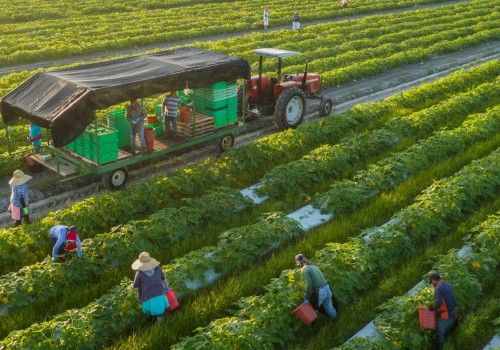
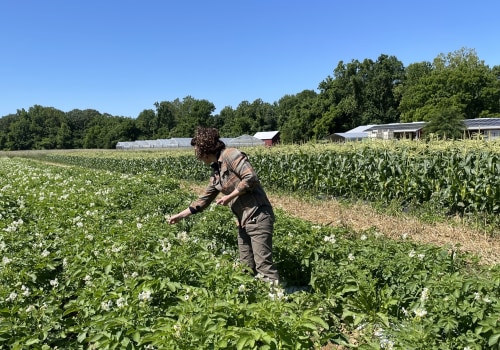
Organic farming is a holistic approach to agriculture that emphasizes sustainability, biodiversity, and the health of ecosystems. At its core, organic farming seeks to produce food in a way that is environmentally friendly and socially responsible. This method avoids the use of synthetic fertilizers, pesticides, and genetically modified organisms (GMOs), instead relying on natural processes and materials to enhance soil fertility and control pests. By fostering a balanced ecosystem, organic farms aim to create a sustainable agricultural model that benefits both the environment and the community.The principles of organic farming are rooted in the understanding that healthy soil leads to healthy crops.
Organic farmers employ practices such as crop rotation, cover cropping, and composting to maintain soil health and fertility. These methods not only improve the quality of the soil but also enhance its ability to retain moisture and nutrients, ultimately leading to more resilient crops. Additionally, organic farming promotes biodiversity by encouraging a variety of plants and animals on the farm, which can help control pests naturally and reduce the need for chemical interventions.One of the most significant benefits of organic farming is its positive impact on human health. By avoiding harmful chemicals, organic farms produce food that is free from pesticide residues and other toxic substances.
This not only benefits consumers but also protects farm workers and surrounding communities from exposure to harmful chemicals. Furthermore, organic farming practices contribute to environmental sustainability by reducing pollution, conserving water, and promoting soil health.In summary, organic farming represents a shift towards more sustainable agricultural practices that prioritize ecological balance and human health. As consumers increasingly seek out healthier food options, understanding the principles and benefits of organic farming becomes essential in evaluating its profitability and long-term viability in today’s market.
The Financial Landscape of Organic Farms
Understanding the financial landscape of organic farms is crucial for anyone considering entering this sector. The profitability of organic farming is influenced by various factors, including initial investments, ongoing operational costs, and potential revenue streams.Initial Investments
- Land Acquisition: Purchasing or leasing land suitable for organic farming can be a significant upfront cost.
The location, soil quality, and existing infrastructure all play a role in determining the price.
- Certification Costs: Obtaining organic certification involves fees for application, inspections, and compliance with regulations. This process can take several years, during which farmers may not see immediate returns.
- Equipment and Infrastructure: Investing in specialized equipment for organic farming practices—such as composting systems, irrigation setups, and organic pest control measures—can add to initial expenses.
Operational Costs
- Labor: Organic farms often require more labor-intensive practices compared to conventional farms. This includes manual weeding and pest management, which can increase labor costs.
- Inputs: While organic farms avoid synthetic fertilizers and pesticides, they still incur costs for organic inputs like compost, cover crops, and natural pest deterrents. These can be more expensive than their conventional counterparts.
- Marketing: To capitalize on the premium prices associated with organic products, effective marketing strategies are essential.
This may involve branding, packaging, and participation in farmers' markets or community-supported agriculture (CSA) programs.
Potential Revenue Streams
- Diverse Crop Production: Organic farms can cultivate a variety of crops to meet consumer demand. This diversity not only spreads risk but also allows farmers to tap into different markets.
- Premium Pricing: Organic products typically command higher prices than conventional ones. Farmers who successfully market their products can significantly enhance their profit margins.
- Value-Added Products: Many organic farmers explore value-added opportunities by processing their produce into jams, sauces, or dried goods. This can create additional revenue streams and increase overall profitability.
By understanding these elements, prospective organic farmers can better evaluate the potential profitability of their ventures.
Market Demand for Organic Products
The demand for organic products has surged dramatically over the past decade, reflecting a significant shift in consumer preferences towards healthier and more sustainable food options. This growing interest in organic farming is not merely a trend; it represents a fundamental change in how consumers view food quality, safety, and environmental impact.According to recent market research, the global organic food market is projected to reach over $500 billion by 2028, growing at a compound annual growth rate (CAGR) of approximately 10% from 2021 to 2028. This growth is driven by several factors:- Health Consciousness: Consumers are increasingly aware of the health benefits associated with organic foods, which are perceived as free from harmful chemicals and pesticides. This awareness has led to a rise in demand for organic fruits, vegetables, dairy products, and meats.
- Sustainability Concerns: As environmental issues become more pressing, consumers are gravitating towards products that promote sustainable farming practices. Organic farms typically use methods that enhance soil health and biodiversity, appealing to eco-conscious buyers.
- Transparency and Trust: The organic label often signifies a commitment to ethical farming practices.
Consumers are more likely to trust brands that provide clear information about their sourcing and production methods.
By understanding these market trends and aligning their production with consumer preferences, organic farmers can not only improve their profitability but also contribute positively to public health and environmental sustainability.
Challenges Faced by Organic Farmers
Organic farming, while increasingly popular and beneficial for the environment, presents a unique set of challenges that can hinder profitability. Understanding these obstacles is crucial for farmers looking to navigate the complexities of organic agriculture successfully.Pest Management
One of the most significant challenges organic farmers face is effective pest management. Unlike conventional farms that can rely on synthetic pesticides, organic farms must utilize natural alternatives. This often requires a combination of strategies, including:- Crop rotation: Changing the types of crops grown in a particular area to disrupt pest life cycles.
- Beneficial insects: Introducing natural predators to control pest populations.
- Organic pesticides: Using naturally derived substances that are less harmful to the environment.
Certification Processes
The journey to becoming an organic farm involves navigating complex certification processes.Farmers must adhere to strict guidelines set by organizations such as the USDA, which can be time-consuming and costly. The steps include:
- Documentation: Keeping detailed records of farming practices, inputs used, and crop yields.
- Transition period: Maintaining organic practices for a minimum of three years before receiving certification.
- Inspections: Undergoing regular inspections by certifying agents to ensure compliance with organic standards.
Market Competition
The growing demand for organic products has led to increased competition among organic farmers. As more producers enter the market, it becomes essential for existing farms to differentiate themselves. Challenges include:- Price competition: Competing with other organic farms on price while maintaining quality can be difficult.
- Branding and marketing: Developing a strong brand identity and effective marketing strategies is crucial for attracting consumers.
- Distribution channels: Securing reliable distribution channels to reach consumers effectively can be a logistical challenge.
By understanding and addressing issues related to pest management, certification processes, and market competition, organic farmers can develop effective strategies to enhance their profitability and sustainability in the long run.
Strategies to Enhance Profitability in Organic Farming
To maximize the profitability of an organic farm, farmers must adopt a multifaceted approach that encompasses various strategies. Here are some actionable techniques that can significantly enhance financial outcomes:1.Implementing Effective Pricing Strategies
Pricing is a critical factor in the profitability of organic products. Farmers should consider the following:- Market Research: Conduct thorough research to understand local market prices for organic produce. This helps in setting competitive yet profitable prices.
- Value-Based Pricing: Emphasize the unique benefits of organic products, such as health advantages and environmental sustainability, to justify premium pricing.
- Dynamic Pricing: Adjust prices based on seasonal demand fluctuations and crop availability to optimize revenue throughout the year.
2.Leveraging Marketing Techniques
Effective marketing can significantly boost sales and brand recognition.Consider these strategies:
- Online Presence: Establish a robust online presence through a dedicated website and social media platforms. Share engaging content about organic farming practices, recipes, and health benefits to attract consumers.
- Community Engagement: Participate in local farmers' markets and community events to build relationships with customers and promote your brand.
- Subscription Models: Offer subscription services for regular deliveries of fresh organic produce, ensuring consistent revenue and customer loyalty.
3.Diversification of Crops
Diversifying crops can mitigate risks associated with market fluctuations and pest infestations. Here’s how:- Crop Rotation: Implement crop rotation practices to improve soil health and reduce pest populations, leading to higher yields.
- Intercropping: Grow complementary crops together to maximize space and resources while enhancing biodiversity on the farm.
- Niche Markets: Explore niche markets for specialty organic products, such as heirloom varieties or exotic fruits, which can command higher prices.
Case Studies: Successful Organic Farms
To understand the profitability of organic farms, examining real-world examples can provide valuable insights.Here are a few case studies of successful organic farms that have not only thrived but also set benchmarks in the industry.
1.Blue Hill Farm, Massachusetts
Located in the picturesque Berkshires, Blue Hill Farm has become a model for sustainable organic farming. This farm focuses on a diverse range of crops, including vegetables, fruits, and herbs, which allows them to cater to various markets. By implementing crop rotation and cover cropping techniques, they have improved soil health and increased yields over the years.One of their key strategies is direct-to-consumer sales through a subscription-based Community Supported Agriculture (CSA) program. This model not only ensures a steady income stream but also fosters a strong relationship with their customers.As a result, Blue Hill Farm has reported profit margins significantly higher than conventional farms in the region.
2.Rodale Institute, Pennsylvania
The Rodale Institute is renowned for its pioneering research in organic farming practices. Their 333-acre farm serves as a living laboratory where they conduct experiments on various organic methods. The institute has demonstrated that organic farming can yield comparable or even superior profits compared to conventional methods.Through their research, they have shown that organic farms can achieve higher prices for their products due to increasing consumer demand for organic produce. Additionally, Rodale Institute's focus on regenerative agriculture practices has led to improved soil health and resilience against climate change, further enhancing long-term profitability.3.Singing Frogs Farm, California
Singing Frogs Farm
, located in Sonoma County, is an exemplary case of how innovative practices can lead to high profitability in organic farming.
This farm utilizes a no-till approach combined with intensive planting techniques to maximize space and yield. By focusing on biodiversity and ecological balance, they have created a self-sustaining ecosystem that reduces input costs.The farm's commitment to sustainability has attracted attention from local restaurants and markets willing to pay premium prices for their fresh produce. Their success illustrates that with the right practices and market positioning, organic farms can achieve remarkable financial success while contributing positively to the environment.These case studies highlight that successful organic farms are not just about growing crops; they involve strategic planning, innovative practices, and strong community engagement. Aspiring farmers can draw inspiration from these examples to develop their own profitable organic farming ventures.
Environmental and Health Benefits of Organic Farming
Organic farming is not just a method of producing food; it represents a holistic approach to agriculture that prioritizes the health of the environment and the well-being of consumers.The environmental benefits of organic farming are profound and multifaceted, contributing to a more sustainable agricultural system.One of the most significant environmental impacts of organic farming is its ability to enhance biodiversity. Organic farms typically support a wider variety of plants, insects, and animals compared to conventional farms. This diversity is crucial for maintaining healthy ecosystems, as it promotes natural pest control and pollination, reducing the need for chemical interventions.Additionally, organic farming practices improve soil health. By avoiding synthetic fertilizers and pesticides, organic farmers focus on building soil fertility through natural amendments like compost and cover crops.
This not only enhances soil structure but also increases its ability to retain water, which is vital in combating drought conditions. Healthy soil is a carbon sink, meaning it can sequester carbon dioxide from the atmosphere, thus playing a role in mitigating climate change.Moreover, organic farming reduces pollution. Conventional agricultural practices often lead to runoff from chemical fertilizers and pesticides, which can contaminate local waterways and harm aquatic life. In contrast, organic methods minimize these risks by using natural pest management strategies and promoting crop rotation, which helps maintain nutrient balance without harmful chemicals.
Health Benefits of Organic Food
The health benefits associated with consuming organic food are increasingly recognized by consumers.Organic products are often fresher because they are grown without preservatives that extend shelf life. This freshness translates into better taste and higher nutritional value. Studies have shown that organic produce can contain higher levels of antioxidants and essential nutrients compared to conventionally grown counterparts.Furthermore, organic farming practices reduce exposure to harmful chemicals. Consumers who choose organic products can feel confident that they are avoiding residues from synthetic pesticides and fertilizers that may pose health risks.
This is particularly important for vulnerable populations such as children and pregnant women.
Sustainability in Agriculture
Ultimately, the sustainability of agriculture hinges on practices that protect our natural resources while providing food security for future generations. Organic farming embodies this principle by promoting methods that are environmentally friendly and socially responsible. By investing in organic agriculture, we not only support healthier ecosystems but also contribute to the well-being of communities through improved public health outcomes.In conclusion, the environmental and health benefits of organic farming are compelling reasons for consumers to choose organic products. As awareness grows about these advantages, the demand for organic food continues to rise, justifying the premium prices often associated with these products.Future Trends in Organic Farming Profitability
As we look to the future of organic farming, several trends and innovations are poised to significantly impact the profitability of organic farms.These advancements not only promise to enhance efficiency but also aim to meet the growing consumer demand for sustainable and healthy food options.One of the most promising areas of innovation is the integration of technology into organic farming practices. Precision agriculture, which utilizes data analytics, GPS technology, and IoT devices, allows farmers to monitor crop health, soil conditions, and weather patterns in real-time. This data-driven approach enables organic farmers to make informed decisions that can lead to higher yields and reduced waste. For instance, by using sensors to track soil moisture levels, farmers can optimize irrigation schedules, conserving water while ensuring crops receive the necessary hydration.Moreover, advancements in biotechnology are paving the way for organic farming to adopt new pest management strategies.
The development of biopesticides derived from natural materials offers a sustainable alternative to synthetic chemicals. These products not only protect crops but also align with the principles of organic farming by minimizing environmental impact. As research continues to evolve in this area, we can expect more effective solutions that enhance crop resilience against pests and diseases.Another trend influencing the profitability of organic farms is the increasing consumer preference for locally sourced products. Farmers' markets and community-supported agriculture (CSA) programs are gaining traction as consumers seek fresher options while supporting local economies.
Organic farms that engage in direct-to-consumer sales can often command higher prices for their products, thus improving their profit margins.Additionally, the rise of e-commerce platforms tailored for agricultural products is transforming how organic farmers reach their customers. By leveraging online sales channels, farmers can expand their market reach beyond local boundaries, tapping into a broader customer base that values organic produce.Lastly, sustainability practices are becoming a focal point for consumers and investors alike. Organic farms that implement regenerative agriculture techniques—such as cover cropping, crop rotation, and agroforestry—are not only enhancing soil health but also attracting attention from environmentally conscious consumers. This shift towards sustainability can lead to increased brand loyalty and higher sales as consumers become more aware of the environmental impact of their food choices.In conclusion, the future of organic farming profitability looks promising as technological innovations and changing consumer preferences converge.
By embracing these trends and adapting to new practices, organic farmers can position themselves for success in an evolving agricultural landscape.
Conclusion: The Path to Profitable Organic Farming
In conclusion, the journey towards achieving profitability in organic farming is multifaceted, requiring a deep understanding of both the challenges and opportunities that lie ahead. As we have explored throughout this article, organic farms are not merely a trend; they represent a significant shift in agricultural practices that can lead to sustainable profitability when managed effectively.One of the most compelling aspects of organic farming is its ability to enhance soil health and biodiversity. By utilizing natural methods and avoiding synthetic chemicals, organic farmers can improve soil quality over time, which is essential for long-term productivity. This not only benefits the immediate yield but also contributes to the resilience of the farm against pests and diseases.However, profitability does not come without its hurdles.The initial transition from conventional to organic farming can be daunting, often requiring substantial investment in time and resources. Farmers must navigate regulatory requirements, market fluctuations, and consumer education to fully capitalize on the premium prices associated with organic products.Moreover, as demand for organic produce continues to rise, farmers must also adapt their marketing strategies to reach a broader audience. Engaging with consumers through storytelling about their farming practices and the benefits of organic products can create a loyal customer base willing to pay a premium.Ultimately, the path to profitable organic farming lies in a balanced approach that combines sustainable practices with sound business strategies. By leveraging data-driven insights and embracing innovative techniques, organic farmers can not only enhance their profitability but also contribute positively to the environment and society.As we look to the future, it is clear that understanding the dynamics of organic farming profitability will be crucial for farmers aiming to thrive in an increasingly competitive market.
With dedication and strategic planning, the potential for success in organic agriculture is not just a possibility; it is an achievable reality.