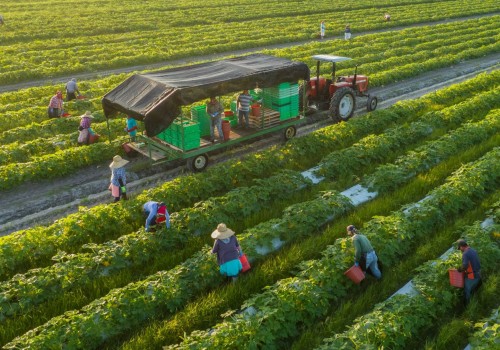
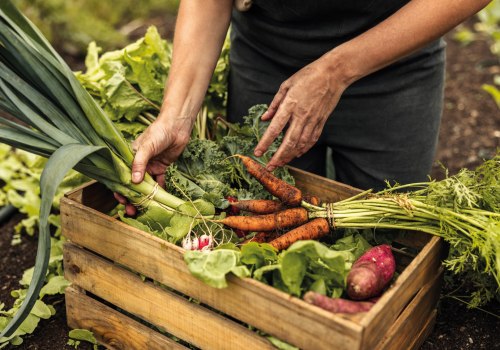
Organic farming represents a holistic approach to agriculture that prioritizes sustainability, biodiversity, and the health of ecosystems. At its core, organic farming is defined by its commitment to using natural processes and materials, avoiding synthetic fertilizers and pesticides, and fostering a balanced relationship between the soil, plants, animals, and the environment. This method of farming not only aims to produce food but also seeks to enhance the quality of life for farmers, consumers, and the planet.The principles of organic farming are rooted in a deep understanding of ecological systems. Farmers who practice organic methods focus on building healthy soils through practices such as crop rotation, cover cropping, and composting.
These techniques not only improve soil fertility but also promote a diverse range of microorganisms that are essential for nutrient cycling. By enhancing soil health, organic farms can produce crops that are not only nutritious but also resilient to pests and diseases.Moreover, organic farming emphasizes the importance of biodiversity. By cultivating a variety of crops and integrating livestock into their systems, organic farmers create a more resilient agricultural landscape. This diversity helps to mitigate risks associated with climate change and pest outbreaks while also providing habitats for wildlife.
The benefits extend beyond the farm itself; organic practices contribute to cleaner air and water by reducing chemical runoff and promoting sustainable land use.As we delve deeper into the benefits of organic farming, it becomes clear that this approach is not merely a trend but a necessary evolution in our agricultural practices. With growing concerns about food safety, environmental degradation, and climate change, understanding the principles and practices of organic farming is crucial for anyone interested in sustainable food production.
Health Benefits of Organic Farming
Organic farming is not just a method of cultivation; it represents a commitment to producing food that is healthier for consumers and the environment. One of the most significant health benefits of organic food lies in its nutritional profile. Research indicates that organic produce often contains higher levels of essential nutrients compared to conventionally grown counterparts.For instance, studies have shown that organic fruits and vegetables can have elevated levels of antioxidants, vitamins, and minerals, which are crucial for maintaining overall health.Moreover, the absence of synthetic pesticides and fertilizers in organic farming practices means that consumers are less likely to ingest harmful chemicals. Conventional farming methods often rely on these substances to enhance crop yields, but they can leave residues on food products that may pose health risks over time. By choosing organic farm produce, consumers can significantly reduce their exposure to these potentially harmful chemicals.Another aspect worth noting is the impact of organic farming on gut health. Organic foods are typically richer in beneficial bacteria due to the natural composting processes used in their production.
This can lead to improved digestion and a healthier gut microbiome, which is increasingly recognized as vital for overall health and immunity.Furthermore, organic farming practices promote biodiversity, which can lead to more resilient ecosystems. This biodiversity not only supports a variety of crops but also contributes to the nutritional diversity available to consumers. Eating a wide range of organic foods can help ensure that individuals receive a broad spectrum of nutrients necessary for optimal health.In summary, the health benefits of organic farming extend beyond just avoiding harmful chemicals. The nutritional advantages, coupled with the positive effects on gut health and biodiversity, make organic farm produce a compelling choice for health-conscious consumers.
As awareness grows about the importance of nutrition and food quality, more people are turning to organic options as a means to enhance their well-being.
Environmental Advantages of Organic Farming
Organic farming presents a multitude of environmental benefits that contribute significantly to sustainable agriculture. One of the most notable advantages is the enhancement of soil health. Organic practices such as crop rotation, cover cropping, and the use of organic fertilizers like compost and manure improve soil structure and fertility. These methods promote a rich ecosystem within the soil, fostering beneficial microorganisms that are essential for nutrient cycling.Healthy soil not only supports plant growth but also plays a crucial role in carbon sequestration, helping to mitigate climate change.Another critical aspect of organic farming is its positive impact on biodiversity. By avoiding synthetic pesticides and fertilizers, organic farms create a more balanced ecosystem that supports a variety of plant and animal species. This biodiversity is vital for maintaining ecological balance, as it enhances resilience against pests and diseases. Organic farms often incorporate diverse crop varieties and maintain natural habitats around their fields, which attract pollinators and other beneficial organisms.
This practice not only aids in pest control but also contributes to the overall health of the environment.Furthermore, organic farming significantly reduces pollution levels compared to conventional farming methods. The absence of chemical inputs means that there is less runoff into nearby water bodies, which can lead to eutrophication—a process that depletes oxygen in water and harms aquatic life. By utilizing natural pest management strategies and organic fertilizers, organic farms minimize their environmental footprint, leading to cleaner air and water.In addition to these benefits, organic farming practices promote sustainable land use. By focusing on long-term soil health and ecosystem integrity rather than short-term yields, organic farmers contribute to the preservation of natural resources for future generations.
This approach aligns with the principles of sustainable agriculture, which seeks to balance economic viability with environmental stewardship.In summary, the environmental advantages of organic farming are profound and multifaceted. From enhancing soil health and promoting biodiversity to reducing pollution and fostering sustainable land use, organic farms play a pivotal role in creating a healthier planet. As awareness of these benefits grows, more farmers are likely to adopt organic practices, further amplifying their positive impact on the environment.
Economic Impacts of Organic Farming
The economic landscape of agriculture is undergoing a significant transformation, with organic farming emerging as a viable and profitable alternative to conventional methods. As consumer awareness regarding health and environmental sustainability grows, the demand for organic products has surged, creating a robust market for organic farms.Market Demand for Organic Products
According to recent studies, the organic food market has been experiencing double-digit growth annually.
This trend is driven by consumers seeking healthier options free from synthetic pesticides and fertilizers. The increasing prevalence of health-conscious lifestyles has led to a greater willingness to pay premium prices for organic produce. In fact, many consumers perceive organic products as not only healthier but also more environmentally friendly, which further fuels their purchasing decisions.
Profitability of Organic Farms
While transitioning to an organic farm may require initial investments in certification and sustainable practices, the long-term profitability can be substantial. Organic farms often enjoy higher price points for their products compared to conventional counterparts.
For instance, organic fruits and vegetables can command prices that are 20% to 100% higher than non-organic varieties. This price premium can significantly enhance the income of farmers who adopt organic practices.Moreover, organic farming can lead to reduced input costs over time. By utilizing natural fertilizers and pest control methods, farmers can decrease their reliance on expensive chemical inputs. Additionally, practices such as crop rotation and cover cropping can improve soil health, leading to better yields and lower costs associated with soil degradation.
Market Trends in Organic Agriculture
The trend towards organic farming is not just a passing fad; it reflects a broader shift in consumer preferences and agricultural practices.
Retailers are increasingly dedicating shelf space to organic products, and many grocery chains are expanding their organic offerings. Furthermore, e-commerce platforms are making it easier for consumers to access organic goods, thereby broadening the market reach for organic farmers.As more farmers transition to organic methods, economies of scale may also come into play, potentially lowering prices for consumers while maintaining profitability for producers. This dynamic could lead to a more sustainable agricultural system that benefits both farmers and consumers alike.In conclusion, the economic impacts of organic farming are profound and multifaceted. With rising consumer demand, enhanced profitability potential, and favorable market trends, stakeholders in agriculture should consider the long-term benefits of adopting organic practices.
Soil Health and Fertility in Organic Farming
Soil health is a cornerstone of organic farming, as it directly influences the productivity and sustainability of agricultural systems.Healthy soil is rich in organic matter, supports diverse microbial life, and has a structure that promotes water retention and nutrient availability. To achieve and maintain soil health, organic farmers employ a variety of practices that enhance soil fertility and overall ecosystem balance.One of the most effective techniques in organic farming is crop rotation. This practice involves alternating the types of crops grown in a particular area from season to season. By rotating crops, farmers can disrupt pest and disease cycles, reduce soil nutrient depletion, and improve soil structure.
For instance, planting legumes such as beans or peas can naturally fix nitrogen in the soil, enriching it for subsequent crops.
Cover cropping
is another vital practice that contributes to soil health. Cover crops are planted during off-seasons when main crops are not growing. These plants help prevent soil erosion, suppress weeds, and enhance soil organic matter when they decompose. Common cover crops include clover, rye, and vetch, which not only protect the soil but also improve its fertility by adding nutrients back into the ground.
Composting
is an essential method for enhancing soil fertility in organic farming.
By recycling organic waste materials such as kitchen scraps, yard waste, and farm residues into nutrient-rich compost, farmers can create a natural fertilizer that boosts soil health. Compost improves soil structure, increases moisture retention, and provides a slow-release source of nutrients for plants.Additionally, minimum tillage practices are encouraged in organic farming to protect the delicate soil ecosystem. By reducing the frequency and intensity of tilling, farmers can maintain soil structure and prevent the disruption of beneficial organisms that contribute to nutrient cycling.In summary, maintaining soil health through practices like crop rotation, cover cropping, composting, and minimum tillage is crucial for sustainable organic farming. These methods not only enhance soil fertility but also promote a resilient agricultural system capable of withstanding environmental challenges.
Biodiversity and Ecosystem Balance in Organic Farms
Organic farms are not just about producing food; they play a crucial role in enhancing biodiversity and maintaining ecosystem balance.By fostering a variety of plant and animal species, organic farming creates resilient agricultural systems that can withstand environmental stresses and contribute to overall ecological health.One of the primary ways organic farms promote biodiversity is through the cultivation of diverse crops. Unlike conventional monoculture practices, which focus on a single crop species, organic farms often implement crop rotation and intercropping strategies. These methods not only improve soil health but also create habitats for various organisms, from beneficial insects to soil microorganisms. This diversity helps in pest control, as natural predators can thrive in environments rich in different species.Moreover, organic farms typically avoid synthetic pesticides and fertilizers, which can harm non-target species and disrupt local ecosystems.
Instead, they rely on natural pest management techniques, such as introducing beneficial insects or using organic-approved substances. This approach not only protects the farm's biodiversity but also supports the surrounding wildlife.In addition to promoting plant diversity, organic farms often incorporate practices that enhance habitat for wildlife. For instance, maintaining hedgerows, wildflower strips, and cover crops provides shelter and food for various species. These areas serve as corridors for wildlife movement and contribute to the conservation of local fauna.The benefits of biodiversity extend beyond the farm itself.
Healthy ecosystems provide essential ecosystem services , such as pollination, nutrient cycling, and water filtration. Organic farms that prioritize biodiversity can enhance these services, leading to improved crop yields and reduced reliance on external inputs.Furthermore, by supporting a diverse range of species, organic farming contributes to climate resilience. Diverse ecosystems are better equipped to adapt to changing climate conditions, making them more sustainable in the long run. This adaptability is vital as farmers face increasing challenges from climate change.In conclusion, organic farms are vital for promoting biodiversity and supporting ecosystem services.
By creating environments that nurture a variety of plant and animal species, these farms not only enhance agricultural productivity but also contribute to wildlife conservation and ecological balance.
Challenges Faced by Organic Farmers
Organic farming, while offering numerous benefits, is not without its challenges. Farmers who choose to adopt organic practices often face a unique set of obstacles that can hinder their success and sustainability. Understanding these challenges is crucial for both aspiring organic farmers and policymakers aiming to support this vital sector.Certification Processes
One of the primary hurdles in organic farming is the certification process. Obtaining organic certification can be a lengthy and complex endeavor.Farmers must adhere to strict guidelines set by certifying bodies, which often require detailed documentation of farming practices, inputs used, and crop rotations. This process can take several years, during which farmers may struggle with the financial implications of transitioning from conventional to organic methods. The costs associated with certification, including fees for inspections and record-keeping, can be prohibitive for small-scale farmers.
Pest Management Without Chemicals
Another significant challenge is managing pests and diseases without the use of synthetic chemicals. Organic farmers must rely on natural pest control methods , which can be less predictable than conventional pesticides.Techniques such as crop rotation, companion planting, and the introduction of beneficial insects require a deep understanding of ecological relationships and may not always yield immediate results. This reliance on natural methods can lead to increased labor costs and potential crop losses if pests are not effectively managed.
Market Competition
The market for organic products has grown significantly in recent years; however, competition remains fierce. Organic farmers often find themselves competing not only with other organic producers but also with conventional farms that may offer lower prices due to economies of scale. Additionally, consumer perceptions about organic products can fluctuate, influenced by marketing trends and misinformation about the benefits of organic versus conventional farming.Overcoming Obstacles
Despite these challenges, many organic farmers have found ways to overcome obstacles through innovation and community support.Collaborating with local agricultural organizations can provide valuable resources for education and training in organic practices. Additionally, forming cooperatives allows farmers to pool resources for marketing and distribution, enhancing their competitiveness in the marketplace.In conclusion, while the path to successful organic farming is fraught with challenges such as certification processes, pest management without chemicals, and market competition, understanding these barriers is essential for fostering a resilient organic agriculture sector. By addressing these issues head-on, both farmers and policymakers can work together to create a more sustainable future for organic farming.
Future Trends in Organic Farming
The future of organic farming is poised for significant transformation, driven by a combination of technological advancements, evolving consumer preferences, and a growing awareness of environmental sustainability. As the demand for organic products continues to rise, farmers and agricultural innovators are exploring new methods and practices that enhance productivity while maintaining ecological integrity.One of the most promising trends in sustainable agriculture is the integration of technology into organic practices.Precision agriculture, which utilizes data analytics, GPS technology, and IoT devices, allows farmers to monitor crop health and soil conditions in real-time. This data-driven approach enables more efficient resource management, reducing waste and optimizing inputs such as water and organic fertilizers. For instance, sensors can detect moisture levels in the soil, allowing farmers to irrigate only when necessary, thus conserving water.Moreover, advancements in biotechnology are also influencing the future of organic farming. While traditional organic practices emphasize natural methods, innovations such as CRISPR gene editing are being explored to develop disease-resistant crops without introducing synthetic chemicals.
This could potentially enhance yields while adhering to organic standards.Consumer preferences are shifting towards transparency and sustainability, prompting organic farmers to adopt practices that resonate with these values. The rise of local food movements has led to an increased interest in community-supported agriculture (CSA) programs, where consumers directly support local farms by purchasing shares of their harvests. This not only strengthens local economies but also fosters a deeper connection between consumers and their food sources.Additionally, regenerative agriculture is gaining traction within the organic farming community. This holistic approach goes beyond sustainability by focusing on restoring soil health and biodiversity.
Practices such as cover cropping, agroforestry, and holistic grazing management are being implemented to enhance ecosystem resilience and carbon sequestration.As we look ahead, the intersection of technology and traditional organic practices will likely define the future landscape of agriculture. Farmers who embrace these innovations while staying true to the principles of organic farming will be well-positioned to meet the challenges of a changing climate and an ever-growing global population.
FAQs About Organic Farming Benefits
Organic farming has gained significant attention in recent years, leading to a plethora of questions regarding its benefits and practices. Below are some frequently asked questions that help clarify common misconceptions and provide valuable insights into the advantages of organic farms.What are the primary benefits of organic farming?
Organic farming offers numerous benefits, including:- Environmental sustainability: Organic practices promote biodiversity, improve soil health, and reduce pollution from synthetic fertilizers and pesticides.
- Healthier food options: Organic produce is often free from harmful chemicals, making it a safer choice for consumers concerned about pesticide residues.
- Enhanced soil fertility: Techniques such as crop rotation and composting enrich the soil, leading to better nutrient retention and improved crop yields over time.
- Support for local economies: Organic farms often sell directly to consumers, fostering community relationships and supporting local economies.
Is organic farming more productive than conventional farming?
While some may assume that organic farming yields less than conventional methods, research indicates that organic farms can be equally productive, if not more so, under certain conditions. Factors such as crop diversity and sustainable practices contribute to long-term productivity by enhancing soil health and resilience against pests.Are organic products significantly more expensive?
The price of organic products can be higher due to the labor-intensive practices involved in organic farming and the costs associated with certification.However, many consumers are willing to pay a premium for the perceived health benefits and environmental advantages. It's essential to consider that investing in organic agriculture can lead to long-term savings in healthcare costs associated with pesticide exposure.
What are some common misconceptions about organic farming?
- Organic means chemical-free: While organic farming minimizes synthetic chemicals, it does allow for certain natural pesticides and fertilizers.
- Organic farming is less efficient: Many studies show that organic farms can achieve comparable yields to conventional farms when managed properly.
- All organic food is healthier: While organic foods are generally free from harmful chemicals, they can still be high in sugars or fats. It's crucial to maintain a balanced diet regardless of food sourcing.
Conclusion: The Holistic Value of Organic Farming
In conclusion, the multifaceted benefits of organic farming extend far beyond mere agricultural practices; they encompass health, environmental sustainability, economic viability, and the preservation of biodiversity. As we have explored throughout this article, organic farming is not just a method of food production but a holistic approach that nurtures the land, the ecosystem, and human health.Health Benefits:
The emphasis on natural inputs in organic farming leads to healthier food options.
By avoiding synthetic pesticides and fertilizers, organic farms produce crops that are often richer in nutrients and free from harmful chemical residues. This not only benefits consumers but also promotes better health outcomes for farmworkers who are less exposed to toxic substances.
Environmental Impact:
The practices inherent in organic farming contribute significantly to environmental conservation. Techniques such as crop rotation, cover cropping, and reduced tillage enhance soil health and prevent erosion. Moreover, organic farms support greater biodiversity by creating habitats for various species, which is crucial for maintaining ecological balance.
Economic Viability:
While some may argue that organic products come with a higher price tag, the long-term economic benefits are substantial.
Organic farming can lead to increased profitability through premium pricing and access to niche markets. Additionally, as consumer demand for organic products continues to rise, farmers who adopt these practices position themselves favorably in a competitive market.
Sustainability for the Future:
The future of agriculture lies in sustainable practices that prioritize the health of our planet. Organic farming exemplifies this by promoting methods that are not only productive but also restorative. By investing in organic agriculture today, we are ensuring a healthier environment for future generations.Ultimately, understanding the holistic value of organic farming is essential for making informed choices as consumers and advocates for sustainable practices.
As we move forward, embracing organic methods can lead us toward a more sustainable and equitable food system that benefits all stakeholders involved.