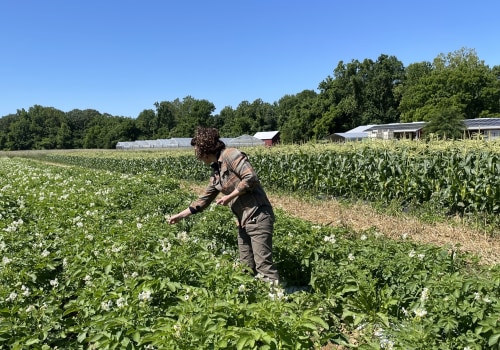
In recent years, the popularity of organic foods has surged, driven by a growing awareness of health and environmental issues. Consumers are increasingly drawn to the idea of eating food that is free from synthetic pesticides, fertilizers, and genetically modified organisms (GMOs). This shift in consumer behavior has not only transformed grocery store shelves but has also sparked a renewed interest in organic farming practices. Organic farming emphasizes sustainability, biodiversity, and the use of natural processes to cultivate crops and raise livestock.
However, while the allure of organic foods is undeniable, it is essential to delve deeper into both their benefits and disadvantages.The concept of organic farming is rooted in a holistic approach to agriculture that seeks to maintain ecological balance. Farmers who practice organic methods often rely on crop rotation, composting, and biological pest control instead of chemical interventions. This approach not only aims to produce healthier food but also strives to protect the environment by reducing pollution and conserving water. As a result, many consumers believe that choosing organic products contributes positively to their health and the planet's well-being.Despite these perceived advantages, it is crucial to recognize that organic foods are not without their drawbacks.
The higher cost associated with organic products can be a significant barrier for many consumers. Additionally, there are ongoing debates about the actual nutritional benefits of organic versus conventional foods. Some studies suggest minimal differences in nutrient content, raising questions about whether the premium price tag is justified. Furthermore, the stringent regulations governing organic certification can limit farmers' options for pest management and crop yields.As we explore the myths surrounding organic foods and examine their disadvantages more closely, it becomes clear that understanding this complex topic requires a balanced perspective.
By dissecting both sides of the organic food narrative, consumers can make informed choices that align with their values and health goals.
Understanding Organic Farming Practices
Organic farming is a holistic approach to agriculture that emphasizes sustainability, biodiversity, and ecological balance. It involves a variety of practices designed to maintain soil health, reduce pollution, and promote the welfare of farm animals. Understanding these practices is essential for anyone interested in the principles of organic farming and sustainable agriculture.One of the cornerstone practices in organic farming is crop rotation. This method involves alternating the types of crops grown in a particular area from season to season.By rotating crops, farmers can prevent soil depletion, reduce pest and disease cycles, and improve soil fertility. For instance, planting legumes after cereal crops can enhance nitrogen levels in the soil, benefiting subsequent crops.
Composting
is another vital practice in organic farming. It involves recycling organic matter, such as kitchen scraps and yard waste, into nutrient-rich compost that can be used to enrich the soil. This not only reduces waste but also enhances soil structure and fertility, promoting healthier plant growth.
Farmers often create compost piles or bins where they layer green materials (like grass clippings) with brown materials (like dried leaves) to facilitate decomposition.Pest management in organic farming relies on natural methods rather than synthetic pesticides. Techniques such as integrated pest management (IPM) are employed to control pests while minimizing harm to beneficial organisms. This may include introducing natural predators, using traps, or applying organic-approved substances like neem oil. By fostering a balanced ecosystem, organic farmers can effectively manage pests without compromising environmental health.To ensure that their products meet specific standards, organic farmers must obtain organic certification.
This process involves adhering to strict guidelines set by regulatory bodies, which may include maintaining detailed records of farming practices and undergoing regular inspections. Certification not only assures consumers of the integrity of organic products but also helps farmers access premium markets.In conclusion, the practices involved in organic farming are diverse and interconnected. From crop rotation and composting to natural pest management and certification processes, each element plays a crucial role in promoting sustainable agriculture. By understanding these practices, consumers can make informed choices about their food sources and support environmentally friendly farming methods.
Myth 1: Organic Foods Are Always Safer
One of the most pervasive myths surrounding organic foods is the belief that they are inherently safer than their conventional counterparts.While it is true that organic farming practices limit the use of synthetic pesticides and fertilizers, this does not automatically equate to a higher level of safety for consumers. In fact, the reality is more nuanced and complex.Organic farms can still utilize certain natural pesticides, which, while derived from natural sources, can pose their own risks. For instance, substances like pyrethrins, derived from chrysanthemum flowers, are commonly used in organic farming. Although they are considered less harmful than synthetic alternatives, they can still be toxic to beneficial insects and aquatic life if not used properly.
Furthermore, the term "natural" does not guarantee safety; many natural substances can be harmful if consumed in large quantities.Moreover, organic produce is not immune to contamination from harmful bacteria such as Salmonella or E. coli. Studies have shown that organic fruits and vegetables can harbor these pathogens just as frequently as conventional ones. The risk of contamination often arises from factors such as soil quality, water sources, and handling practices during harvesting and distribution.
For example, if organic crops are irrigated with contaminated water or fertilized with manure that has not been properly treated, the risk of bacterial contamination increases significantly.Additionally, the perception that organic foods are free from pesticides can lead to complacency among consumers regarding food safety practices. It is essential for consumers to wash all fruits and vegetables thoroughly—regardless of whether they are organic or conventional—to minimize the risk of foodborne illness.In summary, while organic farming does promote certain environmentally friendly practices and reduces reliance on synthetic chemicals, it does not guarantee a completely safe product. Consumers should remain vigilant about food safety and understand that both organic and conventional foods can carry risks. By being informed and practicing proper food handling techniques, individuals can make safer choices in their diets.
Myth 2: Organic Foods Are More Nutritious
One of the most prevalent beliefs surrounding organic foods is that they are inherently more nutritious than their conventional counterparts.This notion has been widely accepted among health-conscious consumers, leading many to assume that choosing organic is synonymous with making healthier dietary choices. However, the reality is more nuanced and complex.Numerous studies have attempted to compare the nutritional value of organic foods with that of conventional foods. A comprehensive review published in the American Journal of Clinical Nutrition analyzed over 200 studies and found no significant differences in the nutrient content between organic and conventional produce. While some organic fruits and vegetables may contain slightly higher levels of certain antioxidants, these differences are often minimal and not clinically relevant.Moreover, the perception that organic foods are more nutritious can be misleading.
The nutritional value of any food item is influenced by various factors, including soil quality, farming practices, and the time of harvest. For instance, a conventionally grown tomato harvested at peak ripeness may offer more nutrients than an organic tomato picked early to meet market demands.Another aspect to consider is the health benefits of organic foods. While organic products are often touted for their lack of synthetic pesticides and fertilizers, this does not automatically translate to superior health benefits. The absence of these chemicals may reduce exposure to harmful substances, but it does not guarantee that organic foods will provide better health outcomes.
In fact, some studies suggest that the health benefits attributed to organic diets may stem more from an overall increase in fruit and vegetable consumption rather than the specific qualities of organic produce.Additionally, it is essential to recognize that not all organic foods are created equal. The term "organic" encompasses a wide range of products, and some may be processed or contain added sugars and fats that diminish their nutritional value. Therefore, consumers should focus on a balanced diet rich in whole foods—whether they are organic or conventional—rather than solely relying on the label.In conclusion, while there are valid reasons to choose organic foods—such as environmental sustainability and reduced chemical exposure—the belief that they are universally more nutritious than conventional options is not supported by substantial scientific evidence. As consumers navigate their dietary choices, it is crucial to prioritize a diverse and balanced diet over the allure of labels.
Myth 3: Organic Foods Are Better for the Environment
When discussing the environmental impact of organic farming, many proponents argue that organic practices are inherently better for the planet.While there are valid points supporting this claim, it is essential to examine both the positive aspects and the potential drawbacks of organic agriculture on ecosystems.One of the primary benefits of organic farming is its emphasis on sustainable practices. Organic farmers often utilize crop rotation, cover cropping, and reduced tillage, which can enhance soil health and biodiversity. These methods help maintain soil structure, improve water retention, and reduce erosion. Additionally, organic farms typically avoid synthetic fertilizers and pesticides, which can lead to less chemical runoff into waterways, thereby protecting aquatic ecosystems.Moreover, organic farming often promotes biodiversity by encouraging a variety of crops and natural pest control methods.
This diversity can create habitats for beneficial insects and wildlife, contributing to a more balanced ecosystem. Furthermore, many organic farms prioritize local sourcing and community-supported agriculture (CSA) models, which can reduce carbon footprints associated with transportation.However, it is crucial to recognize that organic farming is not without its challenges. For instance, organic farms may have lower yields compared to conventional farms due to restrictions on synthetic inputs. This can lead to increased land use as more acreage is required to produce the same amount of food.
Consequently, this expansion can result in habitat destruction and loss of biodiversity if not managed carefully.Additionally, some organic practices may inadvertently contribute to environmental issues. For example, the reliance on certain organic-approved pesticides can still harm non-target species and disrupt local ecosystems. Furthermore, the transportation of organic products from distant farms can negate some of the environmental benefits associated with local sourcing.In conclusion, while organic farming offers several eco-friendly practices that can benefit the environment, it is essential to approach these claims with a critical eye. The sustainability of organic agriculture depends on various factors, including farming methods, local ecosystems, and consumer choices.
As consumers become more environmentally conscious, understanding these complexities will be vital in making informed decisions about food sources.
Disadvantage 1: Higher Costs of Organic Foods
One of the most significant barriers to the widespread adoption of organic foods is their higher cost. Many consumers are often surprised to find that organic products can be significantly more expensive than their conventional counterparts. This price disparity can be attributed to several factors that influence the overall cost of organic farming and production.Firstly, organic farming practices are typically more labor-intensive. Farmers who grow organic crops must adhere to strict regulations that prohibit the use of synthetic pesticides and fertilizers.As a result, they often rely on manual labor for tasks such as weeding and pest control, which can drive up production costs. Additionally, organic farmers may need to invest in more expensive seeds and natural fertilizers, further contributing to the higher prices seen at the grocery store.Secondly, organic farms usually have lower yields compared to conventional farms. The absence of synthetic inputs can lead to reduced crop output, meaning that farmers must charge more per unit to cover their costs. This lower yield is particularly evident in the early years of transitioning from conventional to organic farming, as soil health and ecosystem balance take time to improve.Moreover, the supply chain for organic products is often less developed than that for conventional foods.
Organic farmers may face challenges in distribution and marketing, which can add additional costs. For instance, many organic products are sourced from smaller farms that lack the economies of scale enjoyed by larger agricultural operations. This can lead to higher transportation and storage costs, which are ultimately passed on to consumers.For budget-conscious consumers, these higher prices can pose a significant challenge. Many individuals and families may find it difficult to justify spending more on organic foods when conventional options are readily available at a lower price point.
This situation raises important questions about accessibility and equity in food choices.To navigate these challenges, consumers seeking affordable options might consider several strategies:
- Buy in bulk: Purchasing organic items in larger quantities can often lead to savings.
- Shop seasonally: Buying fruits and vegetables that are in season can reduce costs significantly.
- Join a CSA: Community Supported Agriculture (CSA) programs allow consumers to buy directly from local farmers, often at a lower price.
- Prioritize purchases: Focus on buying organic for items known to have higher pesticide residues when conventionally grown.
Disadvantage 2: Shorter Shelf Life of Organic Produce
One of the most significant drawbacks of organic produce is its notably shorter shelf life compared to conventional options. This characteristic can lead to increased food waste, which is a growing concern for both consumers and environmental advocates alike.The primary reason for the reduced shelf life of organic foods lies in their production methods. Organic farming practices often avoid synthetic preservatives and wax coatings that are commonly used in conventional agriculture to extend the freshness of fruits and vegetables.As a result, organic produce is more vulnerable to spoilage due to its natural state.
Factors Contributing to Spoilage
- Absence of Preservatives: Organic fruits and vegetables are typically free from artificial preservatives, which means they lack the chemical barriers that help conventional produce resist decay.
- Higher Moisture Content: Many organic products retain more moisture, making them more susceptible to mold and bacterial growth.
- Harvest Timing: Organic produce is often harvested at peak ripeness to ensure flavor and nutritional value, but this can also mean it has a shorter window before it begins to spoil.
- Transportation and Storage: The lack of preservatives means that organic produce requires careful handling during transportation and storage. If not managed properly, this can lead to quicker spoilage.
- Refrigeration: Store organic fruits and vegetables in the refrigerator as soon as possible after purchase to slow down spoilage.
- Avoid Washing Before Storage: Washing produce before storage can introduce moisture that accelerates spoilage.
Instead, wash just before consumption.
- Use Airtight Containers: For cut or leftover organic produce, use airtight containers to minimize exposure to air and moisture.
Disadvantage 3: Limited Availability and Accessibility
One of the significant challenges facing consumers interested in organic foods is the limited availability and accessibility of these products. While the demand for organic produce has surged in recent years, the supply chain has not always kept pace, leading to disparities in access across different regions.In urban areas, consumers may find a wider selection of organic products in grocery stores and farmers' markets. However, in rural or less populated regions, the options can be severely limited.This discrepancy often stems from several factors:
- Distribution Challenges: Organic farms often operate on a smaller scale compared to conventional farms, which can complicate distribution logistics. Many organic farmers lack the resources to reach broader markets, resulting in their products being confined to local sales.
- Seasonal Availability: Organic farming is heavily influenced by seasonal cycles. This means that certain organic products may only be available during specific times of the year, making it difficult for consumers to rely on them year-round.
- Retailer Limitations: Not all grocery stores prioritize stocking organic products due to higher costs and lower profit margins associated with these items. As a result, consumers may find themselves limited to a few organic options or none at all.
Organic products typically come with a higher price tag due to the labor-intensive methods used in their production. This can make them less accessible for individuals and families on tight budgets.Additionally, some consumers may not have easy access to transportation, making it challenging to reach stores that offer organic options. This situation creates a barrier for those who wish to incorporate more organic foods into their diets but are hindered by logistical issues.To address these challenges, some communities are exploring innovative solutions such as community-supported agriculture (CSA) programs, which connect consumers directly with local farmers. These initiatives can help bridge the gap between supply and demand while promoting greater access to fresh, organic produce.In conclusion, while the interest in organic foods continues to grow, the availability and accessibility of these products remain significant hurdles for many consumers.
Understanding these challenges is crucial for anyone looking to make informed choices about their food sources.
'The Alar Panic' and Its Impact on Consumer Perception
The Alar Panic of the late 1980s represents a pivotal moment in the history of food safety and consumer perception regarding pesticides. This incident began when a report aired on 60 Minutes in 1989, highlighting the potential dangers of a chemical called Alar, which was used to regulate the growth of apples. The report suggested that Alar could pose serious health risks, including cancer, particularly to children. This revelation ignited widespread fear among consumers and led to a significant shift in attitudes towards conventional farming practices.As news of the Alar controversy spread, consumers became increasingly wary of pesticides and their potential effects on health.The panic surrounding Alar not only affected apple sales but also catalyzed a broader movement towards organic foods. Many consumers began to associate organic products with safety and health, believing that they were free from harmful chemicals. This perception was further fueled by the media's portrayal of organic foods as a healthier alternative.In response to the growing demand for organic options, farmers and producers began to shift their practices. The USDA established stricter regulations for organic certification, ensuring that products labeled as organic met specific standards regarding pesticide use and farming methods.
However, this shift also led to some unintended consequences.
- Increased Prices: As demand for organic foods surged, prices rose due to the more labor-intensive methods required for organic farming.
- Market Saturation: The influx of organic products into the market led to concerns about authenticity and quality, as not all products labeled as organic adhered to the same rigorous standards.
- Consumer Confusion: The variety of labels and certifications created confusion among consumers about what constituted truly organic food.
'Is Organic Worth It?' Weighing Pros and Cons
When considering whether organic foods are worth the investment, it is essential to weigh both the advantages and disadvantages. This analysis can help consumers make informed decisions that align with their values, health goals, and budget constraints.Pros of Organic Foods:
- Reduced Chemical Exposure: Organic farming practices limit the use of synthetic pesticides and fertilizers, which can lead to lower levels of harmful chemicals in the food supply.
This is particularly appealing for those concerned about long-term health effects associated with chemical residues.
- Environmental Benefits: Organic farms often employ sustainable practices that promote biodiversity, improve soil health, and reduce pollution. By supporting organic agriculture, consumers contribute to a more sustainable food system.
- Animal Welfare: Organic standards typically require better living conditions for livestock, including access to outdoor spaces and a diet free from antibiotics and growth hormones. This can be a significant factor for ethically-minded consumers.
- Flavor and Freshness: Many people report that organic produce tastes better than conventional options. This could be due to the farming methods used or the fact that organic foods are often fresher, as they are less likely to be treated with preservatives.
Cons of Organic Foods:
- Higher Costs: One of the most significant drawbacks of organic foods is their price.
The labor-intensive methods required for organic farming often result in higher costs for consumers, making it less accessible for those on a tight budget.
- Shorter Shelf Life: Organic products tend to spoil faster than their conventional counterparts due to the absence of preservatives. This can lead to increased food waste if consumers are unable to consume them in time.
- Nutritional Value: While many believe that organic foods are more nutritious, research has shown that there is little difference in nutritional content between organic and conventional foods. This may lead some consumers to question whether the higher price is justified.
- Limited Availability: Depending on where you live, access to organic foods may be limited. In some areas, consumers may find it challenging to locate a variety of organic options, which can hinder their ability to make healthy choices.
For some, the benefits of reduced chemical exposure and environmental sustainability outweigh the higher costs. For others, budget constraints or skepticism about nutritional differences may lead them to choose conventional options instead. It is crucial for consumers to assess their own values and circumstances when making food purchasing decisions.
'Conclusion: The Balanced Perspective on Organic Foods'
In conclusion, the discussion surrounding organic foods is multifaceted and requires a nuanced understanding. While organic farming practices are often lauded for their environmental benefits and the potential for reduced pesticide exposure, it is crucial to recognize the myths and disadvantages that accompany these products.Throughout this article, we have explored several key points:- Safety Concerns: The belief that organic foods are inherently safer than conventional options is misleading.
Both types of produce can be susceptible to contamination, and organic does not guarantee freedom from harmful bacteria.
- Shorter Shelf Life: Organic fruits and vegetables typically spoil faster than their conventional counterparts due to the absence of preservatives. This can lead to increased waste and higher costs for consumers.
- Nutritional Value: The assumption that organic foods are significantly more nutritious than conventional ones lacks substantial scientific backing. Studies indicate that the nutritional differences are often negligible.
- Higher Costs: The premium price of organic products can be a barrier for many consumers, making it essential to weigh the benefits against the financial implications.
- Regulatory Limitations: Organic farmers face strict regulations that can limit their options for pest control and crop management, potentially affecting yield and sustainability.
While there are undeniable advantages to organic products, such as supporting sustainable agriculture and local economies, it is equally important to acknowledge the challenges they present.As we move forward in our food choices, let us embrace a balanced perspective that appreciates both the merits and drawbacks of organic foods. By doing so, we can make decisions that align with our health goals while also considering the broader implications of our consumption patterns on the environment and society.