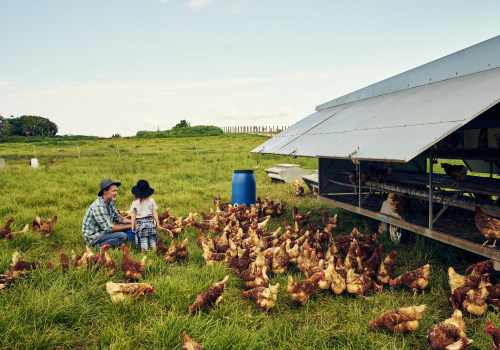
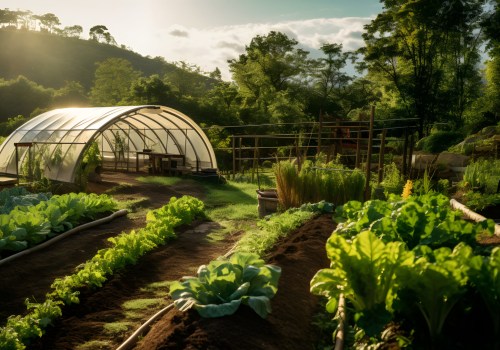
Organic farming is a holistic approach to agriculture that emphasizes sustainability, biodiversity, and the health of the ecosystem. At its core, Organic farming is a holistic approach to agriculture that emphasizes sustainability, biodiversity, and the health of the ecosystem. At its core, organic farming seeks to produce food in a way that is environmentally friendly and socially responsible. This method avoids the use of synthetic fertilizers, pesticides, and genetically modified organisms (GMOs), instead relying on natural processes and materials to enhance soil fertility and control pests. By fostering a balanced ecosystem, organic farms not only produce healthier crops but also contribute positively to the surrounding environment.The principles of organic farming are rooted in the understanding that healthy soil leads to healthy plants, which in turn supports healthy communities.
Farmers who adopt organic practices often engage in crop rotation, cover cropping, and composting to maintain soil health. These practices not only improve soil structure and fertility but also help in managing pests and diseases naturally. Furthermore, organic farming promotes biodiversity by encouraging a variety of crops and livestock, which can lead to more resilient agricultural systems.One of the most significant benefits of organic farming is its potential to enhance food quality. Organic produce is often perceived as being fresher and more nutritious than conventionally grown food.
This perception is supported by research indicating that organic crops may contain higher levels of certain nutrients and antioxidants. Additionally, consumers are increasingly aware of the environmental impact of their food choices, leading to a growing demand for organic products. As a result, many farmers are transitioning to organic methods not only for ethical reasons but also for economic viability.In summary, understanding organic farming involves recognizing its commitment to sustainable practices that benefit both the environment and human health. As we delve deeper into the profitability of organic farms, it becomes clear that these practices not only align with consumer preferences but also offer significant financial advantages for farmers willing to embrace this transformative approach to agriculture.
The Financial Benefits of Organic Farming
Organic farming presents a compelling financial case for farmers looking to maximize their income while adhering to sustainable practices.One of the most significant advantages of operating an organic farm is the potential for higher profit margins compared to conventional farming methods. Research indicates that organic farms can earn up to twice the income of their conventional counterparts, primarily due to the premium prices that organic products command in the marketplace.According to a comprehensive study by Washington State University, organic products can be priced 22% to 35% higher than conventional goods. This price differential is largely driven by increasing consumer demand for organic produce, which has surged in recent years as more people become aware of the health and environmental benefits associated with organic farming.Moreover, the profitability of organic farms is not solely reliant on higher prices; it also stems from reduced input costs. Organic farming practices often utilize natural fertilizers and pest control methods, which can significantly lower expenses related to chemical inputs.
By minimizing reliance on synthetic chemicals, farmers can not only cut costs but also enhance soil health and biodiversity on their farms.Another financial benefit is the potential for crop diversity. Organic farms typically grow a wider variety of crops, which can mitigate risks associated with market fluctuations and crop failures. This diversification allows farmers to tap into multiple revenue streams, further enhancing their overall profitability.In addition to these factors, many governments and organizations offer financial assistance programs aimed at supporting farmers transitioning to organic practices. These programs can provide crucial funding for education, training, and infrastructure improvements, making it easier for farmers to adopt organic methods without incurring overwhelming debt.In summary, the financial benefits of organic farming are multifaceted.
With higher income potential, reduced input costs, and opportunities for diversification, organic farms are not only viable but can also be highly profitable ventures in today’s agricultural landscape.
Market Demand for Organic Products
The demand for organic products has surged in recent years, driven by a growing awareness of health and environmental issues among consumers. This shift in consumer preferences is reshaping the agricultural landscape, presenting significant opportunities for farmers contemplating a transition to organic practices.According to recent market research, the organic food market is projected to continue its upward trajectory, with an estimated growth rate of over 10% annually. This trend is fueled by several factors:- Health Consciousness: More consumers are prioritizing their health and well-being, leading them to seek out organic options that are perceived as safer and more nutritious. Studies indicate that organic foods often contain higher levels of certain nutrients and are free from synthetic pesticides and fertilizers.
- Environmental Awareness: As climate change and environmental degradation become pressing global issues, consumers are increasingly choosing organic products that promote sustainable farming practices.
Organic farming methods enhance soil health, conserve water, and reduce pollution.
- Transparency and Trust: Today's consumers demand transparency in their food sources. Organic certification provides assurance that products meet specific standards, fostering trust between producers and consumers.
This accessibility further drives demand, encouraging farmers to consider transitioning to organic farming.In conclusion, understanding the market trends surrounding organic farming is crucial for farmers looking to capitalize on this growing demand. By aligning their practices with consumer preferences, they can not only enhance their profitability but also contribute positively to public health and environmental sustainability.
Cost Considerations in Organic Farming
Transitioning to an organic farm involves a variety of costs that can be significantly different from those associated with conventional farming. Understanding these expenses is crucial for farmers considering this shift, as it allows them to plan effectively and secure the necessary funding.One of the primary costs in organic farming is the initial investment in organic certification. This process can be lengthy and may require farmers to adhere to strict guidelines, which often necessitates changes in farming practices.The certification process typically includes:
- Application Fees: These fees vary by certifying agent and can range from a few hundred to several thousand dollars.
- Inspection Costs: Annual inspections are required to maintain certification, which can also incur additional costs.
- Record-Keeping: Farmers must maintain detailed records of their practices, which may require investment in software or additional labor.
During this time, they must continue to invest in their operations without the immediate financial return of certified organic sales.Fortunately, there are various funding options available for those looking to start or transition to an organic farm:
- Government Grants: Programs such as the USDA's Organic Certification Cost Share Program help cover certification costs.
- Loans and Financial Assistance: The USDA offers loans specifically for organic farmers through its Farm Service Agency (FSA).
- Non-Profit Organizations: Many non-profits provide grants and resources for education and training in organic agriculture.
Crop Diversity and Its Impact on Profitability
Crop diversity is a cornerstone of successful organic farming, playing a crucial role in enhancing profitability while promoting sustainable agricultural practices. By cultivating a variety of crops, organic farmers can create a resilient ecosystem that not only supports soil health but also maximizes yields and minimizes risks associated with pests and diseases.One of the primary benefits of crop diversity is its ability to improve soil health. Different crops have varying nutrient requirements and root structures, which can lead to better nutrient utilization and reduced soil erosion.For instance, deep-rooted plants can help break up compacted soil layers, allowing for improved water infiltration and aeration. This natural process enhances the soil's organic matter content, leading to increased fertility over time.
Benefits of Crop Rotation
Implementing crop rotation is a key strategy within the realm of crop diversity. By alternating the types of crops grown in a particular field from season to season, farmers can disrupt pest and disease cycles that often thrive on monocultures. This practice not only reduces the need for chemical interventions but also promotes a balanced ecosystem where beneficial insects and microorganisms can flourish.- Enhanced Pest Management: Diverse crops attract a variety of beneficial insects that prey on harmful pests, reducing reliance on synthetic pesticides.
- Improved Nutrient Cycling: Different crops contribute to nutrient cycling in unique ways, ensuring that essential nutrients are replenished in the soil.
- Increased Resilience: A diverse cropping system is less susceptible to market fluctuations and climate variability, providing farmers with more stable income streams.
Consumers are increasingly seeking out unique and diverse products, which allows organic farmers to command premium prices for their goods. This trend not only boosts profitability but also encourages farmers to explore innovative growing techniques and specialty crops that may have previously been overlooked.In conclusion, embracing crop diversity within organic farming is not merely an ecological choice; it is a strategic business decision that enhances profitability through improved soil health, effective pest management, and access to premium markets. By adopting sustainable practices such as crop rotation and intercropping, organic farmers can create a thriving agricultural system that benefits both their bottom line and the environment.
Challenges Faced by Organic Farmers
Transitioning to an organic farm can be a rewarding endeavor, but it is not without its challenges. Farmers who choose to adopt organic practices often encounter a variety of obstacles that can impact their operations and profitability.Understanding these challenges is crucial for anyone considering this path.
Financial Constraints
One of the most significant hurdles for organic farmers is the initial financial investment required to transition from conventional farming methods. Organic farming often necessitates:- Purchasing organic seeds and inputs, which can be more expensive than conventional alternatives.
- Investing in new equipment or modifying existing machinery to accommodate organic practices.
- Covering the costs associated with obtaining organic certification, which can include fees for inspections and documentation.
Pest and Disease Management
Organic farmers face unique challenges in managing pests and diseases without the use of synthetic chemicals. While organic methods promote biodiversity and ecological balance, they may also lead to:- Increased vulnerability to pest outbreaks, as organic farms often rely on natural predators and crop rotation.
- The need for more labor-intensive practices, such as hand-picking pests or applying organic pesticides, which can be time-consuming and costly.
Market Access and Consumer Education
Another challenge lies in accessing markets that value organic products. While demand for organic produce is growing, farmers may struggle with:- Finding reliable buyers who are willing to pay premium prices for organic goods.
- Navigating the complexities of distribution channels that favor conventional products.
Farmers must often invest time and resources into marketing their products effectively.
Soil Health and Fertility Management
Maintaining soil health is a cornerstone of successful organic farming. However, transitioning from conventional practices can lead to:- A temporary decline in soil fertility as chemical fertilizers are phased out.
- The need for ongoing soil amendments, such as compost or cover crops, which require careful planning and management.
Success Stories: Profitable Organic Farms
Across the United States, numerous successful organic farms have emerged as shining examples of profitability and sustainability. These farms not only demonstrate the financial viability of organic practices but also inspire new farmers to embrace this rewarding path.One notable case is Blue Hill Farm in Massachusetts, which has become a model for organic farming success.Founded by chef Dan Barber, Blue Hill focuses on sustainable practices that enhance soil health and biodiversity. The farm has reported profits significantly higher than conventional farms due to its premium pricing on organic produce and its direct-to-consumer sales model. By hosting farm-to-table events and collaborating with local restaurants, Blue Hill has created a robust market for its products.Another inspiring example is Rodale Institute , a pioneer in organic research and education. Located in Pennsylvania, this institute has been instrumental in demonstrating the long-term profitability of organic farming through extensive research studies.
Their findings indicate that organic farms can yield higher profits over time, especially when considering the reduced costs associated with synthetic inputs. Rodale Institute's commitment to educating farmers about sustainable practices has led to a significant increase in the number of successful organic farms across the region.
Earthbound Farm
, based in California, is another success story worth mentioning. Starting as a small organic farm selling produce at local farmers' markets, it has grown into one of the largest organic salad producers in North America. By focusing on scalability while maintaining organic integrity, Earthbound Farm has achieved remarkable profitability.
Their innovative marketing strategies and partnerships with major grocery chains have allowed them to reach a broader audience, further solidifying their position in the market.These examples illustrate that transitioning to an organic farm can lead to substantial financial rewards. By leveraging unique business models, prioritizing sustainability, and engaging with local communities, these farms have not only thrived economically but have also contributed positively to their environments and societies.For aspiring farmers considering this path, these success stories serve as powerful motivators. They highlight that with dedication, innovative thinking, and a commitment to organic principles, it is possible to build a profitable and sustainable farming operation.
Future Trends in Organic Farming Profitability
As the landscape of agriculture continues to evolve, the future of organic farming is poised for significant transformation. Several emerging trends and innovations are shaping the profitability of organic farms, making it essential for farmers to stay informed and adaptable.One of the most notable trends is the increasing consumer demand for organic products.As health-conscious consumers become more aware of the benefits of organic food, they are willing to pay a premium for products that are free from synthetic pesticides and fertilizers. This shift in consumer behavior is driving organic farmers to expand their offerings and explore niche markets, such as organic snacks, beverages, and specialty crops.Technological advancements are also playing a crucial role in enhancing the profitability of organic farming. Innovations such as precision agriculture, which utilizes data analytics and GPS technology, allow farmers to optimize their crop yields while minimizing resource use. By employing these technologies, organic farmers can make informed decisions about planting schedules, irrigation needs, and pest management strategies.Moreover, the integration of sustainable practices is becoming increasingly important.
Techniques such as cover cropping, crop rotation, and agroforestry not only improve soil health but also enhance biodiversity on farms. These practices can lead to higher yields over time and reduce dependency on external inputs, ultimately boosting profitability.Another trend influencing the future of organic farming is the rise of community-supported agriculture (CSA) programs. These initiatives create a direct link between farmers and consumers, allowing for a more stable income stream for producers. By engaging with local communities and offering subscription-based models for fresh produce, organic farmers can secure their financial future while fostering a loyal customer base.Finally, government policies and support systems are evolving to favor organic farming practices.
Increased funding for research and development in organic agriculture, along with incentives for transitioning conventional farms to organic methods, are paving the way for greater profitability in this sector.In conclusion, the future trends in organic farming profitability are driven by consumer demand, technological innovations, sustainable practices, community engagement, and supportive policies. By embracing these changes, organic farmers can position themselves for long-term success in an increasingly competitive market.
Conclusion: The Viability of Organic Farming as a Profitable Venture
In conclusion, the profitability of organic farming is not merely a theoretical concept but a tangible reality for many farmers who adopt this sustainable approach. Throughout this article, we have explored various facets that contribute to the financial success of organic farms, highlighting the significant advantages they hold over conventional farming methods.One of the most compelling arguments for transitioning to organic practices is the potential for higher income. As noted, organic farms can earn up to twice as much as their conventional counterparts, primarily due to the premium prices that certified organic products command in the marketplace.This price differential is driven by increasing consumer demand for healthier, environmentally friendly food options.Moreover, the emphasis on crop diversity plays a crucial role in enhancing profitability. By cultivating a variety of crops, organic farmers can mitigate risks associated with market fluctuations and pest infestations. This diversification not only stabilizes income but also fosters resilience against climate change and other environmental challenges.Financial assistance programs and resources available for aspiring organic farmers further bolster the viability of this venture. These initiatives provide essential support for education and training, enabling farmers to implement best practices effectively.
Additionally, the reduction in input costs through natural pest control and fertilization methods contributes to improved profit margins.As we look towards the future, it is clear that organic farming is not just a trend but a sustainable business model that aligns with consumer preferences and environmental stewardship. The ongoing research and advocacy from organizations like the Rodale Institute and The Organic Center continue to pave the way for greater adoption of organic practices.Ultimately, embracing organic farming can lead to a more profitable and sustainable agricultural landscape. By strategically navigating the challenges and leveraging the opportunities within this sector, farmers can secure their financial futures while contributing positively to their communities and the planet.