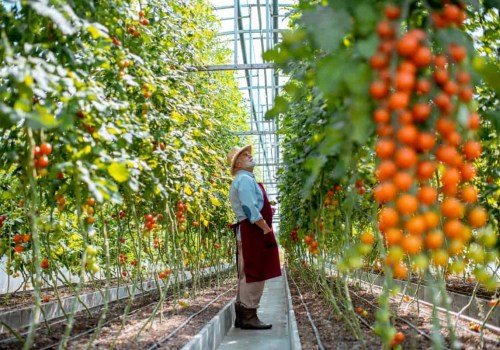
Organic farming is a holistic approach to agriculture that emphasizes the use of natural processes and materials to cultivate crops and raise livestock. At its core, organic farming seeks to create a sustainable ecosystem that promotes biodiversity, enhances soil health, and minimizes environmental impact. This method of farming avoids synthetic fertilizers, pesticides, and genetically modified organisms (GMOs), relying instead on organic inputs such as compost, cover crops, and natural pest control methods. By adhering to these principles, organic farms aim to produce food that is not only healthier for consumers but also more environmentally friendly.The benefits of organic farming extend far beyond the absence of harmful chemicals.
One of the most significant advantages is the improvement of soil quality. Organic practices enhance the soil's structure and fertility through the addition of organic matter, which helps retain moisture and nutrients. This leads to healthier plants that are more resilient to pests and diseases. Furthermore, organic farming promotes a diverse range of crops and livestock, which contributes to a balanced ecosystem.
This biodiversity is crucial for maintaining ecological stability and can help mitigate the effects of climate change.In addition to environmental benefits, organic farming also supports local economies by encouraging small-scale farming operations. Organic farms often sell their products directly to consumers through farmers' markets or community-supported agriculture (CSA) programs, fostering a closer connection between producers and consumers. This not only provides fresh, seasonal produce but also strengthens community ties and supports sustainable agricultural practices.As we delve deeper into the various aspects of organic farming throughout this article, it becomes clear that this method is not merely a trend but a vital component in the future of sustainable agriculture. Understanding the principles and practices of organic farming is essential for appreciating its numerous benefits and its role in promoting a healthier planet.
Environmental Benefits of Organic Farming
Organic farming stands out as a beacon of sustainability in the agricultural landscape, primarily due to its commitment to minimizing environmental impact.One of the most significant advantages of organic farming is the drastic reduction in chemical usage. Unlike conventional farming, which often relies heavily on synthetic fertilizers and pesticides, organic farms utilize natural alternatives. This shift not only protects the immediate environment but also contributes to the health of ecosystems over time.By avoiding harmful chemicals, organic farming practices help maintain cleaner water sources. Runoff from conventional farms can lead to nutrient pollution in rivers and lakes, causing algal blooms that deplete oxygen levels and harm aquatic life.
In contrast, organic methods promote soil health through practices such as crop rotation, cover cropping, and composting. These techniques enhance soil structure and fertility, allowing for better water retention and reducing erosion.
Improved Soil Health
Healthy soil is the foundation of sustainable agriculture. Organic farming enhances soil health by fostering a diverse microbial ecosystem. The use of organic matter, such as compost and green manure, enriches the soil with essential nutrients while promoting beneficial organisms that contribute to nutrient cycling.This not only leads to improved crop yields but also reduces the need for external inputs over time.
Enhanced Biodiversity
Another critical aspect of organic farming is its positive impact on biodiversity. Organic farms typically support a wider variety of plants and animals compared to their conventional counterparts. By avoiding synthetic pesticides and herbicides, these farms create a more balanced ecosystem where beneficial insects, birds, and other wildlife can thrive. This biodiversity is crucial for pollination and pest control, ultimately leading to healthier crops.Moreover, organic farming practices encourage the preservation of native plant species and habitats.By integrating diverse crops and maintaining natural landscapes within farm boundaries, organic farmers contribute to the conservation of local flora and fauna.In summary, the environmental benefits of organic farming are profound and multifaceted. From reducing chemical usage to improving soil health and enhancing biodiversity, organic practices offer a sustainable alternative that aligns with the growing demand for eco-friendly farming solutions. As consumers become increasingly aware of their food choices' environmental impact, supporting organic farming can play a vital role in promoting a healthier planet.
Health Benefits of Organic Produce
When it comes to the health benefits of organic food, numerous studies have highlighted the advantages of choosing organic produce over conventional options. One of the most significant benefits is the reduced exposure to harmful pesticide residues.Organic farming practices prohibit the use of synthetic pesticides and fertilizers, which means that organic fruits and vegetables typically contain lower levels of these chemicals. This is particularly important for vulnerable populations, such as children and pregnant women, who may be more susceptible to the adverse effects of pesticide exposure.In addition to lower pesticide residues, organic produce often boasts a higher nutritional value compared to its conventional counterparts. Research has indicated that organic fruits and vegetables can contain higher levels of essential nutrients, including vitamins, minerals, and antioxidants. For instance, a study published in the British Journal of Nutrition found that organic crops had significantly higher concentrations of antioxidants, which are known to combat oxidative stress and reduce the risk of chronic diseases.Moreover, the health benefits of organic food extend beyond just nutrient content.
The absence of artificial additives and preservatives in organic products contributes to a cleaner diet. Many consumers are increasingly concerned about what goes into their bodies, and choosing organic can be a way to avoid unnecessary chemicals that may have long-term health implications.Another aspect worth considering is the impact of farming practices on soil health. Organic farms often employ crop rotation and composting techniques that enhance soil quality. Healthier soil leads to more nutrient-dense crops, which can further improve the overall health benefits associated with consuming organic produce.While some may argue that conventional food is more affordable or readily available, it is essential to weigh these factors against the potential health risks associated with pesticide exposure and lower nutritional value.
As consumers become more informed about their food choices, many are willing to invest in organic products for their long-term health benefits.In conclusion, the choice between organic and conventional food can significantly impact one’s health. With lower pesticide residues, higher nutrient levels, and a commitment to sustainable farming practices, organic farms offer a compelling case for those seeking healthier dietary options.
Economic Advantages for Farmers
Organic farming presents a range of economic advantages for farmers, making it an increasingly attractive option in today’s agricultural landscape. One of the most significant benefits is the potential for higher profitability. Organic products often command premium prices in the market due to their perceived health benefits and environmental sustainability.This price differential can lead to increased revenue for farmers who successfully transition to organic practices.Market demand for organic produce has been on a steady rise, driven by consumer awareness and preference for healthier food options. According to recent studies, the organic food market is projected to continue growing, with consumers willing to pay more for products that are free from synthetic pesticides and fertilizers. This trend creates a lucrative opportunity for farmers who can meet this demand.In addition to higher selling prices, organic farming can also result in significant cost savings. Traditional farming methods often rely heavily on synthetic inputs such as fertilizers and pesticides, which can be expensive.
By adopting organic practices, farmers can reduce or eliminate these costs. Instead of purchasing chemical inputs, organic farmers utilize natural alternatives like compost, cover crops, and crop rotation, which not only save money but also enhance soil health over time.Furthermore, organic farms tend to have lower input costs associated with pest management and soil fertility. For instance, the use of integrated pest management (IPM) techniques can minimize the need for chemical interventions while maintaining crop yields. This approach not only reduces expenses but also contributes to a more sustainable farming system.Another economic advantage lies in the potential for diversification.
Organic farms often grow a variety of crops, which can mitigate risks associated with market fluctuations and crop failures. By diversifying their offerings, farmers can tap into multiple revenue streams and enhance their resilience against economic downturns.In conclusion, the economic benefits of organic farming are multifaceted. From higher profitability through premium pricing to significant cost savings on inputs and enhanced market demand, transitioning to an organic farm can be a financially sound decision for many farmers. As the agricultural sector continues to evolve, those who embrace organic practices may find themselves at a distinct advantage in both profitability and sustainability.
Challenges Faced by Organic Farmers
While the benefits of organic farming are numerous, it is essential to recognize the challenges that organic farmers face.Transitioning to organic methods can be a daunting task, and several obstacles can hinder the success of these farms.
Certification Processes
One of the most significant hurdles for organic farmers is navigating the certification process. The USDA has established strict guidelines that must be followed to label products as organic. This process can be time-consuming and costly, often requiring farmers to maintain detailed records of their practices for several years before they can achieve certification. Additionally, the fees associated with certification can be a burden for small-scale farmers who may already be operating on tight margins.Pest Management
Pest management presents another challenge for organic farmers.Unlike conventional farming, which often relies on synthetic pesticides, organic farming requires the use of natural alternatives. While there are effective organic pest control methods available, they may not always provide the same level of efficacy as their synthetic counterparts. Farmers must invest time in researching and implementing integrated pest management strategies that align with organic standards, which can be labor-intensive and require ongoing education.
Market Competition
The market for organic products has grown significantly in recent years, but competition remains fierce. Organic farmers often find themselves competing not only with other organic producers but also with conventional farms that may offer lower prices due to economies of scale.This price disparity can make it challenging for organic farmers to attract customers who are price-sensitive. Furthermore, as larger corporations enter the organic market, there is a risk that the integrity of organic standards may be compromised, leading to consumer skepticism.
Consumer Awareness and Education
Another obstacle is the need for increased consumer awareness regarding the benefits of organic farming. Many consumers still lack a clear understanding of what organic means and why it matters. Organic farmers often find themselves in a position where they must educate their customers about the value of their products, which can be an additional strain on resources.In conclusion, while organic farming offers numerous advantages, it is not without its challenges.From navigating complex certification processes to managing pests and competing in a crowded market, organic farmers must be prepared to face various obstacles. Addressing these challenges through education, community support, and policy advocacy will be crucial in promoting sustainable agricultural practices and ensuring the long-term viability of organic farms.
The Role of Technology in Organic Farming
In recent years, the integration of technology into organic farming has revolutionized the way farmers approach sustainable agriculture. While traditional methods have long been the backbone of organic practices, modern innovations are enhancing efficiency and productivity, allowing organic farms to thrive in a competitive market.One of the most significant advancements is the use of precision agriculture. This approach utilizes data analytics, GPS technology, and remote sensing to optimize field-level management regarding crop farming.By employing these technologies, organic farmers can:
- Monitor soil health: Sensors can provide real-time data on soil moisture, nutrient levels, and pH balance, enabling farmers to make informed decisions about when and how to apply organic fertilizers.
- Enhance pest management: Drones equipped with imaging technology can identify pest infestations early, allowing for targeted interventions that minimize the use of organic pesticides.
- Improve crop yields: By analyzing data on weather patterns and crop performance, farmers can adjust their planting schedules and techniques to maximize productivity.
Robotics and automation are increasingly being adopted in organic farms for tasks such as planting, weeding, and harvesting. These technologies can significantly reduce labor costs and increase efficiency while maintaining the integrity of organic practices.Furthermore, mobile applications are emerging as valuable tools for organic farmers. These apps can assist with everything from tracking crop growth to managing finances and connecting with consumers directly. By leveraging technology in this way, farmers can enhance their operational efficiency while fostering a closer relationship with their customers.In conclusion, the role of technology in organic farming is multifaceted and continually evolving.
By embracing innovations such as precision agriculture, biotechnology, automation, and mobile applications, organic farms can not only improve their productivity but also contribute to a more sustainable future for agriculture as a whole.
Consumer Trends and Organic Farming
In recent years, the organic food market has experienced a significant transformation, driven largely by evolving consumer preferences and heightened awareness of health and environmental issues. As consumers become more informed about the origins of their food, there is a noticeable shift towards organic products, which are perceived as healthier and more sustainable alternatives to conventional options.One of the most compelling trends in this sector is the increasing demand for organic products. According to industry reports, sales of organic food have consistently outpaced those of conventional food, with growth rates often exceeding 10% annually. This surge in demand can be attributed to several factors:- Health Consciousness: Many consumers are prioritizing their health and well-being, leading them to seek out organic options that are free from synthetic pesticides and fertilizers.
This trend is particularly strong among millennials and Generation Z, who are more likely to read labels and research food sources.
- Environmental Awareness: As climate change and environmental degradation become pressing global issues, consumers are increasingly choosing organic products that promote sustainable farming practices. Organic farming is known for its lower carbon footprint and biodiversity benefits, appealing to eco-conscious shoppers.
- Local Sourcing: There is a growing preference for locally sourced organic products. Consumers are not only interested in the quality of their food but also in supporting local farmers and reducing the environmental impact associated with long-distance transportation.
They often seek out products that are certified organic and are willing to pay a premium for them. This loyalty is further reinforced by the perception that organic products offer superior taste and nutritional value.Moreover, the rise of e-commerce has transformed how consumers access organic products. Online grocery shopping has made it easier for consumers to find a wider variety of organic options, often at competitive prices. Subscription services for organic produce boxes have also gained popularity, providing convenience while supporting local farms.In conclusion, the trends in consumer demand for organic products highlight a significant shift towards health-conscious and environmentally friendly choices.
As awareness continues to grow, it is likely that the organic farm sector will continue to thrive, adapting to meet the evolving needs of consumers who prioritize sustainability and quality in their food choices.
Future of Organic Farming: Trends and Predictions
The landscape of organic farming is evolving rapidly, driven by consumer demand, technological advancements, and a growing awareness of environmental issues. As we look to the future, several key trends and predictions are emerging that will shape the organic agriculture industry.Increased Consumer Demand
One of the most significant trends is the increasing consumer demand for organic products. As more people become aware of the health benefits associated with organic foods, such as reduced exposure to pesticides and higher nutritional value, the market for organic produce is expected to expand. According to recent studies, the organic food market is projected to grow at a compound annual growth rate (CAGR) of over 10% in the coming years.This growth will likely encourage more farmers to transition to organic farming practices.
Technological Innovations
Technological advancements are also playing a crucial role in the future of organic agriculture. Innovations such as precision agriculture, which utilizes data analytics and IoT devices, can help farmers optimize their practices while adhering to organic standards. For instance, drones equipped with sensors can monitor crop health and soil conditions, allowing for targeted interventions that minimize resource use and maximize yield.Sustainable Practices and Regenerative Agriculture
The concept of regenerative agriculture is gaining traction within the organic farming community. This approach goes beyond sustainability by focusing on restoring soil health and biodiversity.Practices such as cover cropping, crop rotation, and agroforestry not only enhance soil fertility but also contribute to carbon sequestration, making them vital in combating climate change.
Policy Support and Certification Standards
As governments worldwide recognize the importance of sustainable food systems, we can expect increased policy support for organic farming. This may include subsidies for organic farmers, research funding for sustainable practices, and stricter regulations on labeling to ensure transparency for consumers. Enhanced certification standards will also help maintain consumer trust in organic products.Global Market Expansion
The global market for organic products is not limited to developed countries; emerging markets are beginning to embrace organic farming as well. Countries in Asia, Africa, and Latin America are seeing a rise in organic agriculture due to changing dietary preferences and increased export opportunities.This expansion presents new avenues for collaboration and knowledge sharing among farmers worldwide.In conclusion, the future of organic farming looks promising with a combination of increased consumer demand, technological innovations, sustainable practices, supportive policies, and global market expansion. Stakeholders in the agricultural sector must stay informed about these trends to adapt and thrive in this dynamic environment.
Conclusion: The Lasting Impact of Organic Farming
In summary, the exploration of organic farming reveals a multifaceted approach to agriculture that not only prioritizes environmental sustainability but also enhances the quality of food produced. Throughout this article, we have delved into various aspects of organic farming, highlighting its numerous benefits and the critical role it plays in fostering a healthier planet.One of the most compelling arguments for supporting organic farming practices is their ability to promote biodiversity. By avoiding synthetic pesticides and fertilizers, organic farms create a more balanced ecosystem that supports a variety of plant and animal life.This biodiversity is essential for maintaining soil health and resilience against pests and diseases, ultimately leading to more sustainable agricultural practices.Moreover, organic farming significantly reduces the reliance on fossil fuels and minimizes greenhouse gas emissions. The methods employed in organic agriculture, such as crop rotation and composting, not only enhance soil fertility but also contribute to carbon sequestration. This is crucial in our fight against climate change, as it helps mitigate the adverse effects of industrial agriculture.Additionally, the health benefits associated with consuming organic produce cannot be overlooked. Studies suggest that organic foods often contain higher levels of antioxidants and essential nutrients, which can lead to improved health outcomes for consumers.
By choosing organic products, individuals are not only making a personal health choice but are also supporting farming practices that prioritize animal welfare and ethical treatment.As we look to the future, it is imperative that we continue to advocate for organic farming as a viable alternative to conventional agricultural methods. This involves not only supporting local organic farmers but also pushing for policies that promote sustainable practices at a larger scale. By doing so, we can ensure that future generations inherit a world where food production is both environmentally sound and socially responsible.In conclusion, the lasting impact of organic farming extends far beyond the fields; it encompasses our health, our environment, and our communities. As consumers become more informed about their food choices, the demand for organic products will likely continue to grow.
Embracing this shift is essential for creating a sustainable agricultural system that benefits everyone.