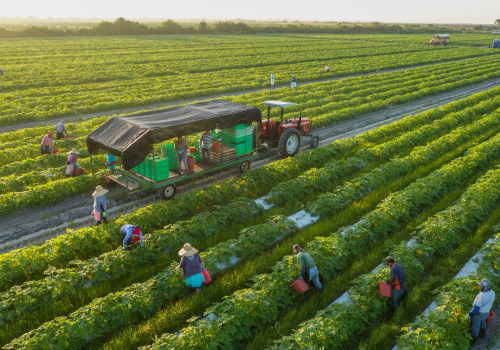
Organic farming is a holistic approach to agriculture that emphasizes the use of natural processes and materials to cultivate crops and raise livestock. At its core, organic farming seeks to create a sustainable ecosystem that promotes biodiversity, enhances soil health, and minimizes environmental impact. This method of farming avoids synthetic fertilizers, pesticides, and genetically modified organisms (GMOs), relying instead on organic inputs such as compost, cover crops, and natural pest control methods. By adhering to these principles, organic farmers aim to produce food that is not only healthier for consumers but also more environmentally friendly.The benefits of organic farming extend beyond just the health of the produce.
One of the most significant advantages is the improvement of soil quality. Organic practices enhance soil structure and fertility through the use of organic matter, which helps retain moisture and nutrients. This leads to increased resilience against drought and other climate-related challenges. Additionally, organic farms often support a diverse range of plant and animal species, contributing to a balanced ecosystem that can naturally regulate pests and diseases.Moreover, consumers are increasingly drawn to organic products due to their perceived health benefits.
Many believe that organic food is safer and more nutritious than conventionally grown alternatives. This growing demand has led to a significant expansion in the market for organic products, making it an attractive option for farmers looking to increase their profitability. As we delve deeper into the profitability of organic farming, it is essential to understand these foundational principles and practices that define what an organic farm truly represents.
The Economic Landscape of Organic Farming
The financial viability of an organic farm is a critical consideration for farmers contemplating a shift from conventional practices. Numerous studies have indicated that organic farming can yield significant economic benefits, although the path to profitability may not be straightforward.Understanding the economic landscape of organic farming requires a comprehensive analysis of potential earnings, costs, and market dynamics.One of the most compelling arguments for transitioning to organic farming is the potential for higher prices. Organic products often command a premium in the marketplace due to increasing consumer demand for healthier and environmentally friendly options. According to the USDA, organic produce can sell for 22% to 35% more than its conventional counterparts. This price differential can significantly enhance the revenue streams for organic farmers.However, it is essential to consider the associated costs of organic farming.
While organic farmers may enjoy higher prices, they also face increased production expenses. These costs stem from several factors:
- Certification Fees: Obtaining and maintaining organic certification can be costly and time-consuming.
- Labor Costs: Organic farming often requires more labor-intensive practices, such as manual weeding and pest control.
- Input Costs: Organic fertilizers and pest management solutions can be more expensive than conventional chemical inputs.
Farmers considering this transition should conduct thorough financial analyses to understand their unique circumstances and develop strategies that maximize profitability while adhering to sustainable practices.
Market Demand for Organic Products
The demand for organic products has surged dramatically over the past decade, reflecting a significant shift in consumer preferences. This trend is not merely a passing fad; it represents a fundamental change in how people view food and agriculture. As consumers become increasingly health-conscious and environmentally aware, they are actively seeking out organic products that align with their values.According to recent market research, the organic food market is projected to grow at a compound annual growth rate (CAGR) of over 10% in the coming years. This growth is driven by several factors:- Health Awareness: Consumers are more informed about the health benefits associated with organic foods, such as lower pesticide residues and higher nutrient levels.
This awareness has led to a preference for organic options among health-conscious individuals.
- Environmental Concerns: Many consumers are motivated by the desire to support sustainable farming practices that protect the environment. Organic farming methods typically promote biodiversity and reduce pollution, appealing to eco-conscious shoppers.
- Quality Perception: Organic products are often perceived as being of higher quality compared to conventional alternatives. This perception drives consumers to pay a premium for organic items, further boosting profitability for organic farms.
However, it is essential for farmers to understand market dynamics and consumer preferences to maximize their profits.Moreover, retailers are responding to this demand by expanding their organic product offerings. Grocery stores and supermarkets are dedicating more shelf space to organic items, making them more accessible to consumers. This increased visibility not only benefits consumers but also enhances the profitability of organic farms by providing them with more avenues to sell their products.In conclusion, the growth of the organic farming market is closely tied to rising consumer demand for organic products. Farmers who adapt to these changing market conditions can position themselves for success in an increasingly competitive landscape.
Understanding these trends is crucial for both farmers and investors looking to capitalize on the expanding organic sector.
Challenges Faced by Organic Farmers
While the profitability of organic farming is often highlighted, it is essential to recognize the numerous challenges that organic farmers face. These challenges can significantly impact their ability to thrive in a competitive agricultural landscape.One of the primary hurdles is the cost of organic certification. Obtaining organic certification can be a lengthy and expensive process. Farmers must adhere to strict guidelines set by certifying bodies, which often require detailed record-keeping and compliance with specific agricultural practices.The costs associated with this process can include:
- Application fees: These can vary widely depending on the certifying agency and the size of the farm.
- Inspection fees: Organic farms must undergo annual inspections, which can be costly, especially for smaller operations.
- Documentation costs: Maintaining comprehensive records to demonstrate compliance with organic standards requires time and resources.
- Labor: Organic farming typically requires more manual labor for tasks such as weeding and pest management, which can drive up labor costs.
- Inputs: Organic inputs, such as compost and natural pest control solutions, may be more expensive than their conventional counterparts.
- Insurance: Organic farmers may face higher insurance premiums due to perceived risks associated with organic practices.
Furthermore, the lack of economic incentives from government programs can exacerbate these challenges, making it harder for farmers to transition from conventional methods to organic practices.Ultimately, while the market for organic products continues to grow, addressing these challenges is crucial for ensuring that organic farming remains a viable and profitable option for farmers across the country.
The Role of Organic Certification in Profitability
Organic certification plays a pivotal role in the profitability of organic farms, influencing both income levels and market access. By obtaining certification, farmers can tap into a growing consumer base that prioritizes health and sustainability, which often translates into higher prices for their products.One of the primary benefits of organic certification is the ability to command premium prices. Certified organic products typically sell for significantly more than their conventional counterparts. This price differential can be attributed to the perceived value of organic goods, which are often associated with better quality, environmental sustainability, and health benefits.For instance, studies have shown that certified organic fruits and vegetables can fetch prices that are 20% to 50% higher than non-organic options.Moreover, organic certification enhances market access. Many retailers and consumers prefer to purchase certified organic products, leading to increased demand. This demand is particularly strong in urban areas where consumers are more health-conscious and willing to pay a premium for organic produce. As a result, certified organic farmers often find themselves with more lucrative sales opportunities compared to their non-certified peers.However, it is essential to consider the costs associated with obtaining and maintaining organic certification.
The process can be both time-consuming and expensive, involving fees for application, inspections, and compliance with strict regulations. These costs can be a barrier for some farmers, particularly those just starting out or operating on a smaller scale.Despite these challenges, the long-term financial benefits of certification often outweigh the initial investment. Certified organic farms tend to have better access to grants and subsidies aimed at promoting sustainable agriculture practices. Additionally, they may benefit from increased customer loyalty and brand recognition as consumers become more aware of the importance of supporting certified organic producers.In conclusion, while the journey to obtaining organic certification may present challenges, the potential for increased income and enhanced market access makes it a worthwhile endeavor for many farmers.
The economic implications of certification are significant, as they not only affect individual farm profitability but also contribute to the broader growth of the organic farming sector.
Regional Variations in Organic Farming Success
The success and profitability of organic farms can vary significantly based on regional factors. Understanding these variations is crucial for farmers contemplating where to establish their operations. Several elements contribute to the geographic impact on organic farming, including climate, soil quality, local market demand, and state-specific regulations.Climate and Soil Quality
Different regions possess unique climatic conditions and soil types that can either enhance or hinder organic farming practices. For instance, areas with a temperate climate, such as parts of California and the Pacific Northwest, often provide ideal conditions for growing a variety of organic crops.
The rich, fertile soils in these regions can lead to higher yields and better-quality produce.Conversely, regions with harsher climates or less fertile soil may face challenges in organic farming. For example, the arid conditions in parts of the Southwest can limit crop diversity and require more intensive water management strategies. Farmers in these areas may need to invest significantly in irrigation systems and soil amendments to achieve comparable results to their counterparts in more favorable climates.
Local Market Demand
The demand for organic products can also vary widely by region. Urban areas typically exhibit a higher demand for organic produce due to a more health-conscious consumer base.
States like New York and Illinois have seen a surge in organic markets, driven by consumer preferences for locally sourced and sustainably produced food. In contrast, rural areas may have less access to consumers willing to pay a premium for organic products, which can affect profitability.
State-Specific Regulations
Regulatory frameworks governing organic farming practices can differ from state to state, impacting the ease of certification and compliance costs. Some states offer incentives for organic farmers, such as grants or tax breaks, which can enhance profitability. For instance, states like Vermont have implemented supportive policies that encourage organic farming through financial assistance programs.On the other hand, states with stringent regulations may pose additional challenges for farmers looking to transition from conventional to organic practices.
Understanding these regulations is essential for farmers to navigate the complexities of organic certification effectively.In conclusion, regional variations play a significant role in determining the success of organic farms. By considering factors such as climate, soil quality, local market demand, and state-specific regulations, farmers can make informed decisions about where to establish their operations and how to optimize their profitability in the organic sector.
Sustainability and Long-Term Profitability
In the realm of agriculture, the concept of sustainability has gained significant traction, particularly within the context of organic farming. Sustainable practices not only contribute to environmental health but also enhance the long-term profitability of farms. By adopting methods that prioritize ecological balance, organic farmers can create a resilient agricultural system that benefits both their operations and the planet.One of the primary advantages of sustainable organic farming is its ability to improve soil health.Healthy soil is the foundation of productive farming, and organic practices such as crop rotation, cover cropping, and reduced tillage help maintain soil fertility and structure. These methods promote biodiversity and enhance the soil's ability to retain moisture and nutrients, ultimately leading to higher yields over time. As a result, organic farmers can reduce their reliance on synthetic fertilizers and pesticides, which not only cuts costs but also minimizes environmental impact.Moreover, sustainable organic farms often implement integrated pest management (IPM) strategies that utilize natural predators and biological controls instead of chemical interventions. This approach not only protects crops but also fosters a balanced ecosystem that can sustain itself in the long run.
By reducing chemical inputs, organic farmers can appeal to a growing consumer base that values environmentally friendly products, thereby increasing their market share and profitability.Another critical aspect of sustainability in organic farming is water conservation. Organic practices typically emphasize efficient water use through techniques such as drip irrigation and rainwater harvesting. These methods not only reduce water waste but also lower operational costs associated with water usage. In regions facing water scarcity, implementing such sustainable practices can be a game-changer for long-term viability.Furthermore, the environmental impact of organic farms extends beyond soil and water conservation.
By promoting biodiversity through diverse cropping systems and minimizing habitat destruction, organic farming contributes to healthier ecosystems. This biodiversity is crucial for pollination and pest control, which are essential for maintaining crop productivity without chemical inputs.In conclusion, the integration of sustainability into organic farming practices is not merely an ethical choice; it is a strategic business decision that enhances long-term profitability. By investing in sustainable methods, organic farmers can ensure their operations remain viable while contributing positively to the environment. As consumer demand for sustainable products continues to rise, those who embrace these practices will likely find themselves at a competitive advantage in the agricultural market.
Case Studies: Successful Organic Farms
Exploring the world of organic farming reveals numerous success stories that highlight the potential for profitability and sustainability.Here are a few notable case studies of organic farms that have thrived in recent years:
1.Blue Sky Organic Farms
Located in Arizona, Blue Sky Organic Farms has become a beacon of success in the organic farming community. This farm specializes in a variety of organic vegetables and herbs, supplying local markets and restaurants. By implementing innovative irrigation techniques and crop rotation practices, Blue Sky has not only increased its yield but also reduced water usage by 30%. Their commitment to sustainability has attracted a loyal customer base, resulting in a 40% increase in revenue over the past five years.2.Earthbound Farm
As one of the largest organic farms in the United States, Earthbound Farm started as a small roadside stand in California.Today, it operates over 50,000 acres of certified organic farmland. The farm's success can be attributed to its focus on community engagement and education about organic practices. By offering workshops and farm tours, Earthbound has built strong relationships with consumers, leading to increased sales and brand loyalty. Their innovative marketing strategies have helped them achieve a remarkable annual revenue exceeding $100 million.
3.Rodale Institute
The Rodale Institute in Pennsylvania is not just a farm; it is a research center dedicated to advancing organic farming practices.Through extensive research and trials, they have demonstrated that organic farming can yield comparable or even higher profits than conventional methods. Their findings have inspired countless farmers to transition to organic practices, showcasing the long-term benefits of soil health and biodiversity. The institute also offers training programs for aspiring organic farmers, further contributing to the growth of the industry.
4.White Oak Pastures
This Georgia-based farm is renowned for its regenerative agriculture practices, focusing on livestock and pasture management. White Oak Pastures has successfully integrated animal husbandry with crop production, creating a closed-loop system that enhances soil fertility and reduces waste.Their commitment to ethical farming has resonated with consumers, allowing them to command premium prices for their grass-fed beef and pasture-raised poultry. As a result, White Oak Pastures has seen a significant increase in profitability while maintaining environmental stewardship.These case studies illustrate that with dedication, innovative practices, and community engagement, organic farms can achieve remarkable success. They serve as inspiring examples for new farmers considering the transition to organic methods, demonstrating that profitability is not only possible but can be enhanced through sustainable practices.
Future Trends in Organic Farming Profitability
As the landscape of agriculture continues to evolve, the future of organic farming is poised for significant transformation. Farmers who wish to remain competitive must stay informed about emerging trends and innovations that can enhance profitability.Here are some key trends shaping the future of organic farming:
- Technological Advancements: The integration of technology in organic farming practices is becoming increasingly prevalent. Innovations such as precision agriculture, which utilizes data analytics and GPS technology, allow farmers to optimize their inputs and improve yields. Drones and satellite imagery can help monitor crop health and soil conditions, enabling farmers to make informed decisions that enhance productivity.
- Regenerative Agriculture: This holistic approach focuses on restoring soil health and biodiversity while sequestering carbon. By adopting regenerative practices, organic farmers can improve soil fertility and resilience, leading to higher yields and reduced dependency on external inputs.
This trend not only benefits the environment but also enhances the long-term profitability of organic farms.
- Consumer Demand for Transparency: Today's consumers are increasingly interested in where their food comes from and how it is produced. Organic farmers who embrace transparency in their practices can build trust with consumers, potentially leading to increased sales. Implementing traceability systems that allow consumers to track products from farm to table can be a significant advantage.
- Diversification of Products: As the market for organic products expands, farmers are exploring new avenues for diversification. This includes growing niche crops, developing value-added products, or even engaging in agritourism.
By diversifying their offerings, organic farmers can tap into new revenue streams and reduce risks associated with market fluctuations.
- Sustainable Practices: The emphasis on sustainability is not just a trend; it is becoming a necessity. Organic farmers who adopt sustainable practices—such as crop rotation, cover cropping, and integrated pest management—can improve their farm's ecological balance while also appealing to environmentally conscious consumers.